
Windows 11 Laptop with i3 Processor
4.5Editor score
Intel Core i3 Processor
12GB RAM 256GB SSD
WiFi 6 Bluetooth 5.2
Discover the top laptops for engineering students with specs, ratings, and expert comparisons to help you choose the right device for your studies.
Finding the right laptop for engineering studies requires balancing power, portability, and budget. Modern curricula demand machines capable of handling complex simulations, coding environments, and CAD software while remaining light enough for campus life.
We evaluated ten leading models based on processor performance, memory capacity, storage speed, and display quality. Each option was scrutinized for battery life, connectivity ports, and build durability to ensure they meet rigorous academic demands throughout the semester.
This guide details specific strengths and weaknesses for every pick to help you make an informed decision. Prices and availability change frequently, so verify current listings before purchasing to ensure you get the best value for your investment today.
4.5Editor score

4.6Editor score

4.6Editor score
The following table offers a side-by-side view of all ten models to help you quickly identify key specifications and performance capabilities.




This Lenovo model stands out as a robust choice for engineering students needing significant computational power. With a rating of 4.6 stars it delivers reliable performance for demanding academic tasks.
We may earn a commission when you buy through this link, at no additional cost to you.
The Intel Core i7-13620H processor provides exceptional multitasking capabilities essential for running simulations and IDEs simultaneously. Coupled with 24GB of RAM and a 1TB NVMe SSD the system handles large datasets and complex CAD models without lag.
While the price is higher than basic options the performance justifies the investment for serious engineering work. The MIL-STD-810H certification ensures the device can withstand the rigors of daily campus life and travel.
Students who need a machine that can handle professional grade software from day one should consider this laptop. It balances raw power with portability and durability making it a top recommendation for the year.
The 10 core architecture allows users to run multiple heavy applications like MATLAB or SolidWorks without performance degradation.
With WiFi 6 and Gigabit Ethernet support users can stay connected to high speed networks for cloud rendering or data transfers.
We may earn a commission when you buy through this link, at no additional cost to you.
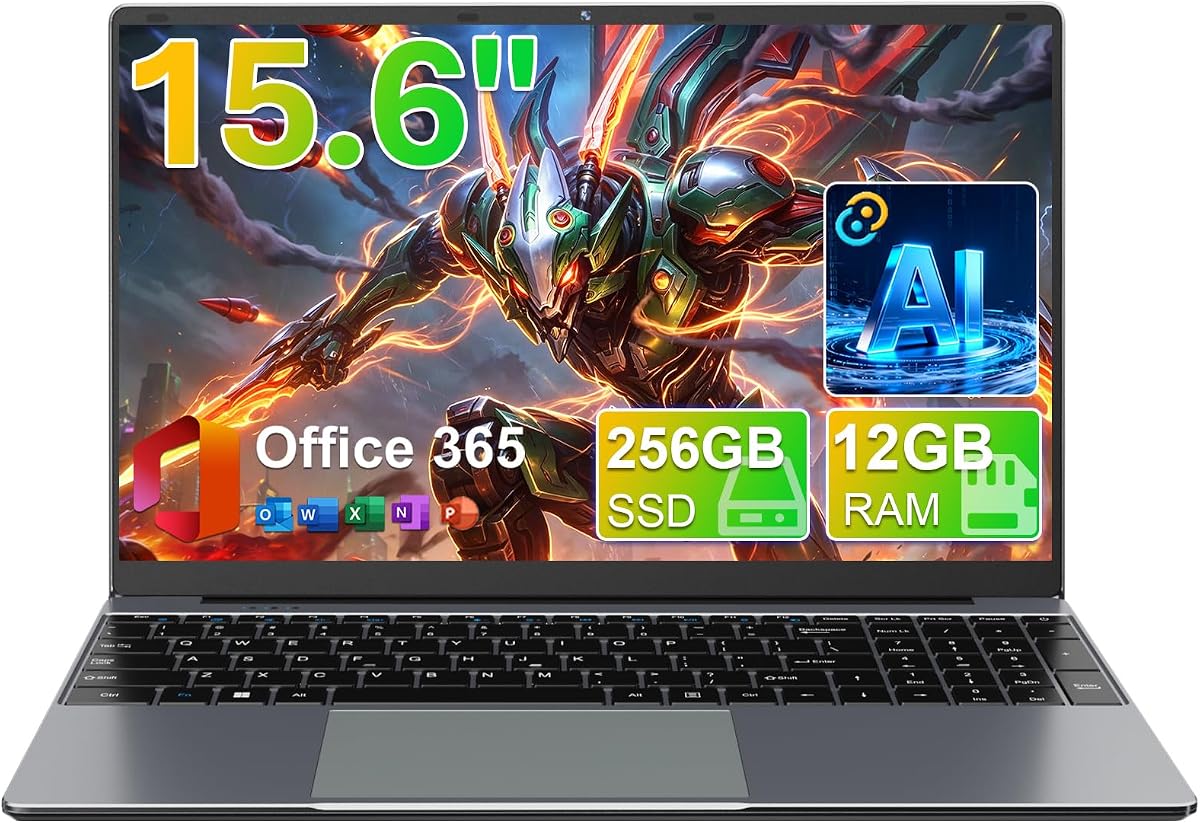
This budget friendly laptop offers impressive value for students who need basic computing power for coursework and research. It holds a strong rating of 4.5 stars indicating satisfaction with its daily performance.
We may earn a commission when you buy through this link, at no additional cost to you.
The Intel Core i3 processor combined with 12GB of RAM ensures smooth operation for web browsing document editing and light coding. The 256GB SSD provides fast boot times and quick access to essential files.
Trade-offs include limited storage which may require external drives for large projects. However for introductory engineering courses where heavy simulation is not yet required this machine offers a cost effective entry point.
Ideal for freshmen or those on a tight budget this laptop covers essential needs without breaking the bank. It includes a backlit keyboard and good battery life to support long study sessions.
The 256GB SSD is sufficient for system files and documents though users may want to expand storage for media later.
Multiple USB ports and HDMI allow connection to external monitors and peripherals essential for productivity setups.
We may earn a commission when you buy through this link, at no additional cost to you.
This HP model boasts a massive 17.3 inch screen that provides ample workspace for detailed engineering drawings and spreadsheets. Its high rating of 4.6 stars reflects user satisfaction with its productivity features.
We may earn a commission when you buy through this link, at no additional cost to you.
The AMD Ryzen 5 7430U processor delivers solid multitasking performance supported by 16GB of RAM and a spacious 1TB SSD. This configuration handles complex tasks efficiently while offering plenty of storage for software and files.
The trade-off is portability as the larger screen and chassis make it heavier to carry around campus. However for those who prioritize screen real estate for design work this laptop excels in visual comfort.
Professionals and students who work primarily at a desk or in a library will appreciate the immersive display and Windows 11 Pro features. It is a powerful workstation ready for demanding engineering workflows.
The 17.3 inch Full HD IPS panel offers wide viewing angles and color accuracy suitable for design and analysis work.
Windows 11 Pro enhances security and management options beneficial for students working on sensitive engineering projects.
We may earn a commission when you buy through this link, at no additional cost to you.
This HP laptop is optimized for students who need reliable performance for daily administrative tasks and web based learning. It receives a rating of 4.4 stars for its balance of features and portability.
We may earn a commission when you buy through this link, at no additional cost to you.
The Intel N150 processor ensures responsive performance for multitasking while the 11 hour battery life supports full days without charging. Preinstalled Office 365 adds immediate value for document creation and collaboration.
The storage capacity is limited to 128GB which may fill up quickly with large engineering software packages. However the lightweight design makes it an excellent choice for students carrying a laptop everywhere.
For those needing a lightweight companion for classes and general study this model is a strong contender. It prioritizes mobility and battery efficiency over raw processing power.
Up to 11 hours of battery life ensures you can attend lectures and study sessions without needing a power outlet.
The included Office 365 subscription provides essential tools like Word and Excel right out of the box.
We may earn a commission when you buy through this link, at no additional cost to you.
This HP Stream model stands out for its generous RAM and storage configuration which is rare at this price point. With a 4.2 rating it appeals to users who need memory for multitasking more than raw speed.
We may earn a commission when you buy through this link, at no additional cost to you.
The 16GB DDR4 RAM allows multiple browser tabs and applications to run smoothly despite the basic Celeron processor. The included docking station adds a massive 1TB of storage for archives and project files.
While the processor is not ideal for heavy calculations the high RAM helps mitigate slowdowns during web based work. This makes it a viable option for students using cloud based engineering tools.
The bulky docking station limits portability but provides essential storage expansion for those with many files. It is a practical choice for budget conscious students who prioritize capacity over speed.
16GB of RAM is unusual for budget laptops allowing for smooth multitasking across many browser tabs and apps.
The included docking station offers 1TB of storage which is perfect for archiving large design files or media.
We may earn a commission when you buy through this link, at no additional cost to you.
This essential model is designed for straightforward computing tasks like note taking and online classes. It carries a rating of 4.4 stars for its simplicity and reliability in basic workflows.
We may earn a commission when you buy through this link, at no additional cost to you.
The N150 processor and modern connectivity options ensure that daily tasks run efficiently. However the 4GB RAM may limit performance when running multiple resource intensive applications simultaneously.
The battery life is robust supporting up to 7.5 hours of mixed usage which fits well within a typical class schedule. The micro edge bezel design maximizes screen space in a compact frame.
Students who only need a device for web browsing and document editing will find this laptop sufficient. It offers a clean experience without unnecessary bloat for general academic use.
USB Type-C and HDMI ports allow easy connection to projectors and external monitors for presentations.
Integrated noise reduction filters background noise during video calls making it ideal for remote lectures.
We may earn a commission when you buy through this link, at no additional cost to you.
This student laptop features a versatile hinge and integrated AI tools to assist with writing and research tasks. It holds a strong 4.6 rating for its helpful features and solid build.
We may earn a commission when you buy through this link, at no additional cost to you.
The 12GB RAM and 256GB SSD provide a comfortable environment for typical student workloads. The FHD IPS display offers vibrant colors and wide viewing angles suitable for long study sessions.
The built-in AI assistant is a unique selling point that can help summarize notes or generate drafts quickly. However the older processor limits its utility for heavy engineering simulations.
Ideal for general coursework this model offers features that boost productivity beyond basic hardware specs. The 180 degree hinge makes it easy to share screens during group study sessions.
The 180 degree hinge allows the screen to lie flat making it easy to share content with classmates.
Built-in AI tools assist with writing and research tasks streamlining the workflow for daily assignments.
We may earn a commission when you buy through this link, at no additional cost to you.
This laptop emphasizes mobility with a lightweight chassis that is easy to carry daily. It has received a 4.3 rating from users who value ease of transport and daily reliability.
We may earn a commission when you buy through this link, at no additional cost to you.
The integration of Copilot AI adds value by offering intelligent assistance for writing and data entry. Connectivity is modern with USB-C support ensuring compatibility with newer peripherals and docks.
The hardware limitations are similar to other entry models which may not suit heavy engineering work. However for students focused on general studies and portability this is a strong fit.
It serves well as a secondary device or for students whose curriculum relies heavily on cloud platforms. The battery life ensures you can move between classes without hunting for an outlet.
Copilot AI provides quick help with writing and research tasks saving time on daily student workflows.
The inclusion of USB-C ports ensures you can connect modern devices without needing old adapters.
We may earn a commission when you buy through this link, at no additional cost to you.
This Dell model focuses on visual comfort and support features that appeal to long study sessions. It holds a 4.3 rating for its reliability and user friendly design elements.
We may earn a commission when you buy through this link, at no additional cost to you.
The Core i5 processor offers a balance of power and efficiency suitable for engineering coursework. ComfortView software reduces blue light to protect eyes during extended periods of screen time.
Included onsite service adds peace of mind which is valuable for students who cannot afford downtime. The numeric keypad is also helpful for students working with data entry or calculations.
For those who prioritize display health and support options this laptop is a solid choice. It is slightly heavier but offers a comfortable typing experience for long writing sessions.
ComfortView software filters harmful blue light to reduce eye strain during long study sessions.
The included onsite service allows experts to visit your location if hardware issues arise.
We may earn a commission when you buy through this link, at no additional cost to you.
This final pick offers a streamlined experience for students who need a reliable device for daily tasks. It receives a 4.4 rating for its consistent performance and user friendly features.
We may earn a commission when you buy through this link, at no additional cost to you.
The N150 processor and WiFi 6 ensure quick internet access and smooth app launching. The 7.5 hour mixed usage battery life supports most of a school day without recharging.
The design is sleek with a micro edge bezel that maximizes screen real estate in a small footprint. It is a practical tool for those who prioritize mobility over heavy computational power.
Students looking for a simple dependable machine for coursework and media consumption will appreciate this model. It fits easily into a backpack and offers a clean interface for focused work.
The micro edge bezel design maximizes screen real estate in a small footprint for better viewing.
WiFi 6 provides faster internet speeds and better performance in crowded campus networks.
We may earn a commission when you buy through this link, at no additional cost to you.
Selecting the right laptop requires understanding the specific software and workflow demands of your engineering discipline.
The processor is the heart of your laptop and determines how well it runs simulation software. Engineering programs often require multi-core CPUs like the Intel Core i7 or AMD Ryzen 5 to handle complex computations efficiently.
Prioritize models with at least a quad-core processor and high turbo boost speeds to ensure smooth performance during calculations and rendering.
RAM is critical for multitasking when you need to run virtual machines or multiple design applications simultaneously. 16GB is the sweet spot for engineering students allowing for robust performance without bottlenecks.
Look for laptops with at least 16GB of RAM to handle modern development environments and simulation software without slowdowns.
Solid State Drives (SSDs) provide the fast boot times and file access speeds necessary for productive workflows. NVMe SSDs are significantly faster than traditional hard drives and are standard in modern laptops.
Ensure your laptop includes a 512GB NVMe SSD to store large project files and software efficiently with quick access times.
A high resolution display with accurate colors helps reduce eye strain during long coding or design sessions. Full HD resolution is the minimum standard for clarity when viewing complex diagrams or code.
Choose a laptop with an anti-glare IPS panel to ensure comfortable viewing angles and reduced reflections in various lighting conditions.
Engineering students spend hours on campus where power outlets may not always be available. A battery that lasts 7 to 10 hours allows you to work through lectures and study sessions without interruption.
Look for laptops advertised with 7.5 hours or more of mixed usage to ensure you can rely on them throughout a full day of classes.
Carrying a heavy laptop across campus can become burdensome over time so weight is a significant factor in daily usability. Most engineering laptops range between 3 to 4 pounds depending on screen size and build materials.
Select a model under 4 pounds if you plan to carry it daily to balance screen size with comfortable transport in a backpack.
Modern engineering work often involves connecting to external monitors projectors or specialized hardware peripherals. A good selection of ports including USB-C HDMI and Ethernet ensures you can connect to campus networks and devices easily.
Verify that the laptop has USB-C for charging and data HDMI for external displays and SD card slots if you work with cameras or sensors.
Laptops used for engineering studies face physical stress from daily travel and use in labs. MIL-STD-810H certified laptops are tested against drops shock and temperature variations to ensure they withstand the rigors of campus life.
Invest in a laptop with military grade durability testing to ensure your device survives accidental drops and environmental changes over the years.
To maximize battery life avoid leaving your laptop plugged in constantly once fully charged and try to maintain charge between 20 and 80 percent when possible.
Keep your operating system and drivers updated regularly to ensure compatibility with engineering software and to patch security vulnerabilities that could affect your data.
Clean your screen with a microfiber cloth to avoid scratches and use compressed air to remove dust from vents which helps prevent overheating during heavy processing tasks.
An Intel Core i7 or AMD Ryzen 5 is generally recommended for engineering students who need to run simulation software efficiently. These processors provide enough cores and threads to handle multitasking and complex calculations without bottlenecks.
Ideally you should aim for at least 16GB of RAM to ensure smooth performance in demanding applications like CAD or MATLAB. While 8GB is usable for lighter tasks it may lead to slowdowns when running multiple programs simultaneously.
For most engineering majors integrated graphics are sufficient for coursework and basic design work. However if you plan on extensive 3D rendering or gaming a dedicated GPU can provide better performance and speed.
Ensure your laptop has good ventilation by using it on hard surfaces rather than soft fabrics. Cleaning dust from the fans regularly helps maintain airflow and prevents the system from throttling performance during heavy loads.
Windows is the most widely supported operating system for engineering software ensuring compatibility with specialized tools and applications. However some disciplines may utilize Linux or macOS so checking with your department is wise.
A larger screen such as 15 or 17 inches provides more workspace for viewing multiple windows side by side. This is particularly helpful for engineering students who need to reference diagrams while writing code or analyzing data.
We have reviewed ten excellent laptops ranging from budget friendly options to high performance machines capable of handling complex engineering tasks.
Prioritize processor speed and memory capacity if you plan to run heavy simulations or design software throughout your degree program.
Remember to verify current prices and availability on the manufacturer sites before purchasing to ensure you secure the best deal available today.