
COOSPO H6 Heart Rate Monitor Chest Strap
4.2Editor score
Dual mode connection
Third-party app support
IP67 sweat resistance
This guide compares the top heart rate monitor for Mtb models to help you find the best chest strap or armband for accurate trail data.
Mountain biking demands precise tracking of your effort to ensure safety and performance. A reliable heart rate monitor for Mtb helps you stay within target zones during intense climbs and technical descents.
We evaluated ten top-rated models based on accuracy, connectivity, battery life, and comfort. Each option offers unique features tailored to the rugged demands of off-road cycling and trail riding.
Our picks include chest straps and armbands with Bluetooth and ANT+ compatibility. Note that prices change frequently, so verify current costs before purchasing your next training device.
4.2Editor score

4.1Editor score

4.5Editor score
The following table provides a side-by-side overview of all ten models. Compare key specifications like connectivity, battery life, and water resistance to find the perfect fit for your MTB needs.




The Polar H10 is widely recognized as the gold standard for chest strap heart rate monitoring. With a 4.1 rating and top precision technology, it delivers reliable data for serious cyclists.
We may earn a commission when you buy through this link, at no additional cost to you.
Its dual connectivity allows simultaneous Bluetooth and ANT+ connections, making it easy to pair with multiple apps or devices. The waterproof build ensures durability even in wet trail conditions.
While the price is higher than budget options, the reliability justifies the cost. The internal memory feature is particularly useful if your watch loses connection during intense rides.
For those seeking the most accurate data possible, the Polar H10 is the clear choice. It balances comfort with technical superiority, making it ideal for both training and competition.
The H10 uses advanced electrodes to reduce motion artifacts and sweat interference.
You can connect to your bike computer and phone at the same time effortlessly.
We may earn a commission when you buy through this link, at no additional cost to you.
The COOSPO H6 offers an excellent entry point into chest strap monitoring. With a 4.2 rating, it provides accurate data without breaking the bank for casual riders.
We may earn a commission when you buy through this link, at no additional cost to you.
It connects via Bluetooth and ANT+, ensuring compatibility with most modern fitness apps and bike computers. The IP67 rating protects it from sweat and rain during outdoor rides.
Users may need to moisten the sensors for optimal contact, which is a minor inconvenience. The battery life is impressive, lasting hundreds of hours on a single coin cell.
This model is perfect for those who need reliable data on a budget. It lacks some premium features but delivers on the core promise of accurate heart rate tracking.
It works seamlessly with major apps like Zwift and Strava for easy logging.
The CR2032 battery lasts for extended periods, reducing replacement frequency.
We may earn a commission when you buy through this link, at no additional cost to you.
The Garmin HRM 600 is a powerhouse for athletes who want more than just heart rate data. With a 4.5 rating, it tracks metrics that help improve overall performance.
We may earn a commission when you buy through this link, at no additional cost to you.
It includes internal memory, which records activities even when no phone or watch is nearby. The rechargeable battery adds convenience compared to models using disposable cells.
Its waterproof design allows it to be used during swim training, making it a true multi-sport device. However, you need a compatible Garmin watch to access advanced metrics.
If you invest heavily in the Garmin ecosystem, this device offers great value. It combines durability with smart features, making it a top pick for serious multisport athletes.
It captures calories, speed, and distance independently for robust activity logs.
It syncs directly to the Garmin Connect app for seamless data management.
We may earn a commission when you buy through this link, at no additional cost to you.
The Garmin HRM 200 is designed for rugged use. With a 4.3 rating, it offers reliability for daily riders who prioritize longevity over complex features.
We may earn a commission when you buy through this link, at no additional cost to you.
Its strap is machine washable, which is crucial for maintaining hygiene and conductivity in sweaty conditions. The 3 ATM water rating ensures it can handle rain and splashes easily.
While it lacks some advanced tracking options, it delivers accurate data at a reasonable price point. The battery lasts up to a year, meaning less maintenance for the user.
This model is ideal for riders who want a no-frills solution that lasts. It is robust enough for trail abuse while still providing the heart rate data you need.
The washable strap ensures no buildup of sweat and bacteria over time.
It consistently transmits data to compatible Garmin devices without issues.
We may earn a commission when you buy through this link, at no additional cost to you.
POWR LABS focuses on comfort with their seamless fabric strap. With a 4.0 rating, it aims to provide a chafe-free experience for long rides and training sessions.
We may earn a commission when you buy through this link, at no additional cost to you.
The IPX67 rating means it is fully sweatproof and can handle harsh training conditions. The battery life is substantial, lasting over 400 hours on a replaceable battery.
It connects via Bluetooth and ANT+, making it versatile for various devices. While the rating is slightly lower than top brands, users appreciate the comfort and affordability.
For riders who find standard straps uncomfortable, this is a strong option. It simplifies the setup process while maintaining solid performance for general fitness tracking.
The soft fabric reduces irritation during extended periods of use.
It is built to withstand sweat and moisture without degrading quickly.
We may earn a commission when you buy through this link, at no additional cost to you.
The GEOID HS500 boasts a massive 800-hour battery life. With a 4.2 rating, it offers a cost-effective solution for riders who hate frequent battery changes.
We may earn a commission when you buy through this link, at no additional cost to you.
Its LED light confirms connection status, ensuring you start your ride with a working device. The waterproof design makes it suitable for rainy trail conditions.
While not recommended for swimming, it handles sweat and rain effectively. The new design aims to reduce noise interference for cleaner data during intense activity.
This is a great pick for budget-conscious buyers who prioritize longevity. It provides reliable metrics without needing frequent maintenance or charging.
The LED flashes to confirm you are connected before you start exercising.
Low energy consumption technology extends the battery life significantly.
We may earn a commission when you buy through this link, at no additional cost to you.
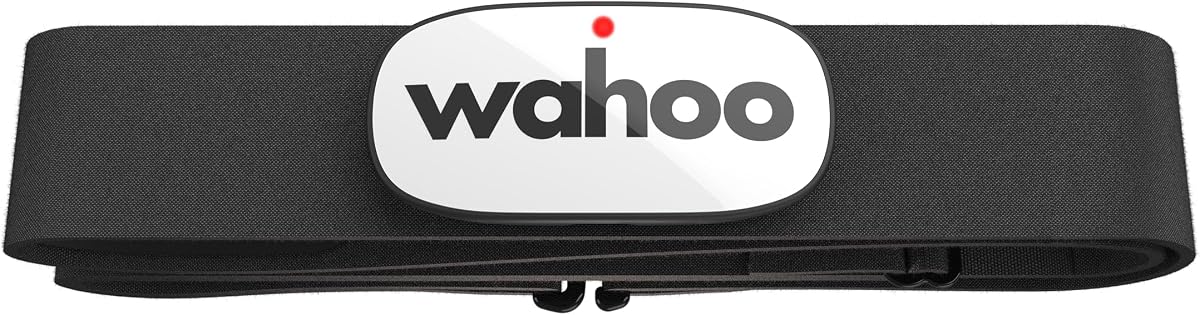
Wahoo is known for high-quality cycling gear, and the TRACKR continues that trend. With a 4.2 rating, it offers a comfortable and reliable monitoring solution.
We may earn a commission when you buy through this link, at no additional cost to you.
Its rechargeable battery removes the need for disposable cells. The slim strap design ensures it stays secure during high-intensity efforts without shifting.
It provides precise performance data and connects to popular training apps easily. The LED indicator gives immediate feedback on battery and connection status.
This model is perfect for cyclists invested in the Wahoo ecosystem. It combines modern convenience with the reliability expected from a premium brand.
The slim strap stays in place even during intense training efforts.
USB rechargeable features eliminate the need for battery replacements.
We may earn a commission when you buy through this link, at no additional cost to you.
The Polar H9 is the more accessible version of their flagship models. With a 4.0 rating, it brings trusted Polar accuracy to a wider audience.
We may earn a commission when you buy through this link, at no additional cost to you.
It is designed for everyday use, offering reliability without complex extra features. The straps are comfortable and fit a wide range of body types effectively.
It works with all HRM compatible equipment, making it a versatile tool. The battery is standard and easily replaceable, keeping maintenance simple.
If you want Polar quality but not the highest price, the H9 is ideal. It delivers consistent data for general fitness tracking and casual training.
Polar has decades of research behind its accurate heart rate tracking.
It pairs easily with smartphones and fitness equipment for flexible use.
We may earn a commission when you buy through this link, at no additional cost to you.
The CYCPLUS H2Pro focuses on advanced metrics like Heart Rate Variability. With a 3.9 rating, it offers scientific training tools at an affordable price point.
We may earn a commission when you buy through this link, at no additional cost to you.
Its ECG algorithm reduces interference from movement and muscle tension. The lightweight design ensures it does not distract during technical trails.
The battery lasts up to 500 hours, reducing maintenance needs. It syncs seamlessly via Bluetooth and ANT+, compatible with many fitness apps.
For riders interested in load adjustment and preventing overtraining, this tool is useful. It brings advanced tracking to a budget-friendly package.
HRV data helps you adjust your daily training load based on recovery.
Proprietary tech ensures stable data despite muscle movement.
We may earn a commission when you buy through this link, at no additional cost to you.
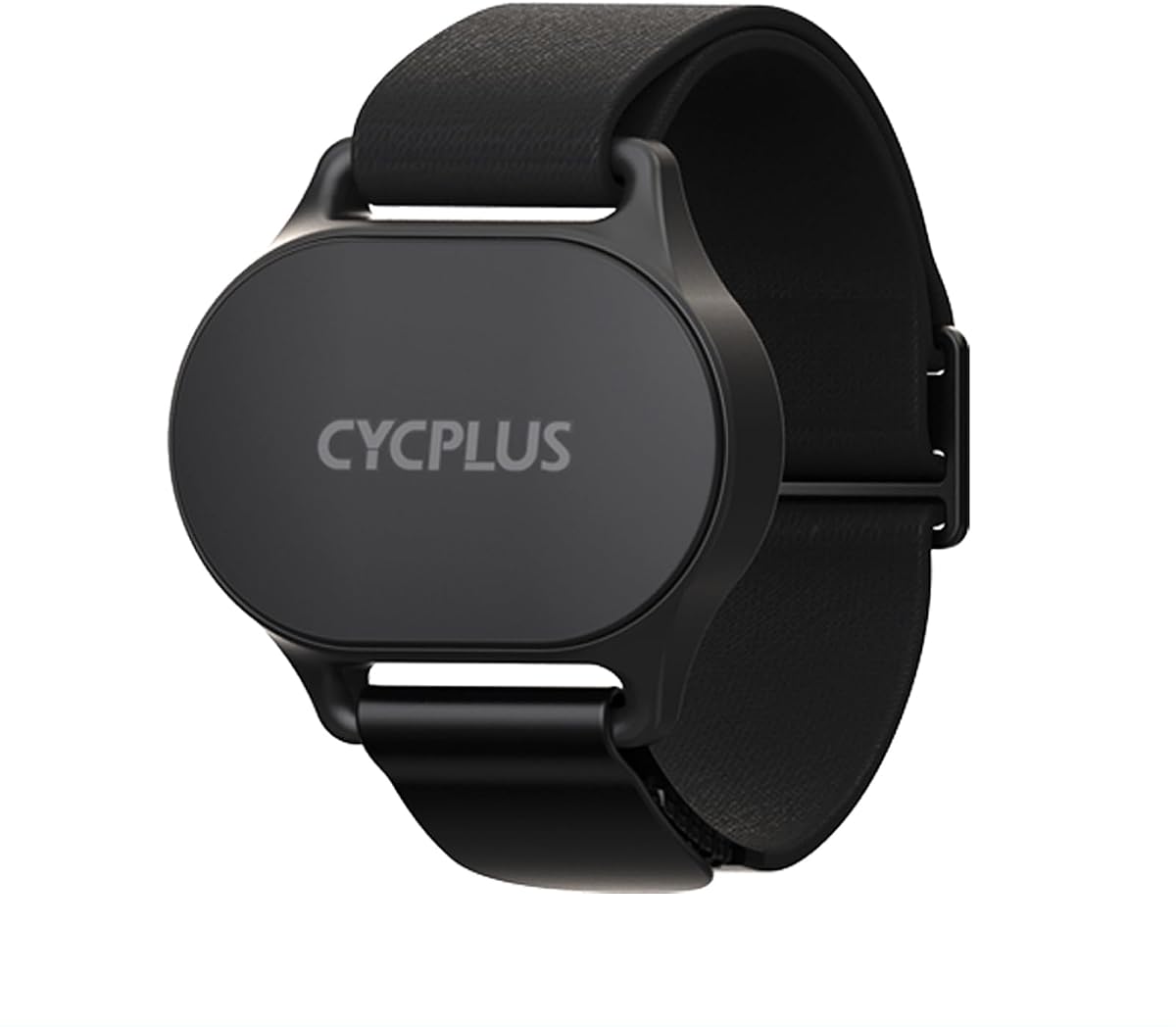
The CYCPLUS H1 offers an optical armband alternative to chest straps. With a 3.8 rating, it appeals to riders who dislike the tight fit of chest sensors.
We may earn a commission when you buy through this link, at no additional cost to you.
Its LED lights visually indicate your heart rate zone with color changes. The magnetic charging ensures you can keep it powered up without disposable batteries.
It connects to bike computers and phones via Bluetooth and ANT+. While less accurate than chest sensors during high impact, it provides decent metrics for casual use.
This option is best for those prioritizing comfort and convenience. It simplifies the setup and keeps your wrist free for watch use.
Green orange and red lights show your effort level instantly.
Optical sensors avoid the need for tight bands around your chest.
We may earn a commission when you buy through this link, at no additional cost to you.
Choosing the right monitor requires balancing accuracy, comfort, and connectivity. This section outlines the key factors to consider before purchasing.
Chest straps use electrical signals for high accuracy, while armbands use optical sensors. Chest straps are better for dynamic movements common in MTB.
Choose a chest strap for the most reliable data during intense riding.
Ensure the device supports both Bluetooth and ANT+ for maximum compatibility with your watch and phone.
Dual protocol support allows simultaneous connection to multiple devices easily.
Disposable batteries last longer but require replacement, while rechargeable ones offer convenience but need charging.
Consider your ride frequency when deciding between battery types.
MTB often involves rain and sweat, so look for IP67 or higher ratings to protect your device.
A waterproof monitor ensures longevity in wet conditions.
A snug fit is necessary for accuracy, but a chafing strap will ruin your ride.
Look for seamless straps and adjustable sizes for better comfort.
Check if the monitor works with your preferred fitness apps like Strava or Zwift before buying.
Ensure the device integrates smoothly with your existing training software.
Professional athletes may need clinical grade accuracy, while casual riders can accept slight variations.
Higher rated models generally offer better precision for serious training.
Prices vary significantly based on features and brand. Determine how much you are willing to spend for your specific needs.
Aim for the best value without sacrificing essential accuracy.
Before riding, moisten the sensors on the chest strap with water to ensure proper conductivity. Put on the strap snugly so the sensors touch your skin directly.
Pair the device with your watch or phone via the app settings. Check the LED indicators to confirm a successful connection before you start your ride.
After each ride, rinse the strap with fresh water and let it air dry. Store it in a cool dry place to prevent damage to the electronics.
Chest straps generally provide more accurate data because they measure electrical heart activity directly. Watches rely on optical sensors which can be affected by sweat and vibration on trails.
Go to the settings menu on your computer and select Sensors. Activate the heart rate monitor by moistening the sensors and putting it on. It should appear in the list of available devices.
Disposable batteries typically last 300 to 400 hours, while rechargeable models offer around 100 to 200 hours per charge. It depends on usage intensity and specific model features.
Yes, most straps are designed to be worn under a cycling jersey. Ensure it fits snugly against your skin to prevent motion artifacts.
HRV measures the variation in time between each heartbeat. It is a useful metric for tracking recovery and determining if you are overtraining during your sessions.
If you ride on smooth roads, your watch may suffice. For rough trails and high-intensity training, a chest strap offers more reliable data despite the extra cost.
The Polar H10 stands out for accuracy while the COOSPO H6 offers great value for budget riders. Each model provides unique benefits depending on your training needs and device ecosystem.
Prioritize connectivity and comfort when making your decision. A reliable monitor will help you track your progress and improve your performance over time.
Remember to check current prices before buying as they can fluctuate frequently. Investing in the right tool will enhance your riding experience significantly.