
Intel Core Ultra 9 285K
4.6Editor score
24 cores for multitasking
Up to 5.7 GHz speed
Integrated Intel Graphics
This guide compares the best CPUs for Excel and data analysis, evaluating core counts, cache sizes, and performance benchmarks to help you choose the right
Choosing the right CPU for Excel and data analysis is crucial for handling large datasets efficiently. Modern processors offer varying core counts and speeds that directly impact calculation times and overall productivity.
We compared ten top processors based on core architecture, cache size, and real-world performance metrics. Our selection includes options from both Intel and AMD to suit different budgets and performance needs.
Each pick highlights specific strengths for spreadsheet tasks and data workloads. Prices and availability change frequently, so verify current details before making your final purchase decision today.
4.6Editor score

4.8Editor score
4.7Editor score
This side-by-side comparison highlights key specifications for each processor to help you identify the best fit for your specific data analysis requirements and budget constraints.


The Intel Core Ultra 9 285K stands out as a top tier option for demanding data workloads. With a 4.6 rating, it delivers exceptional performance through its 24 core configuration.
We may earn a commission when you buy through this link, at no additional cost to you.
Its Performance Hybrid Architecture prioritizes workloads effectively. The 40MB cache ensures quick data access during complex Excel calculations or large dataset processing tasks.
While it requires a compatible Intel 800 series motherboard, the unlocked speed up to 5.7 GHz offers significant headroom for optimization. Users should note no cooler is included.
This processor is ideal for professionals handling massive spreadsheets or running multiple analysis tools simultaneously. Its efficiency and speed make it a powerful choice for high performance computing needs.
The architecture intelligently assigns tasks to P-cores and E-cores, ensuring critical Excel operations run smoothly while background processes use efficient cores.
Support for PCIe 5.0 and DDR5 memory means your system will remain capable of handling next generation storage and memory speeds as they become available.
We may earn a commission when you buy through this link, at no additional cost to you.
This AMD processor earns our Editor's Choice award due to its unique 3D V-Cache technology. With a 4.8 rating, it excels in tasks requiring large cache access.
We may earn a commission when you buy through this link, at no additional cost to you.
The 96MB L3 cache is a standout feature for data analysis. It allows rapid retrieval of frequently used data sets which significantly speeds up iterative calculations.
Although it has only 8 cores, the IPC uplift ensures strong single-thread performance. This makes it very responsive for Excel macros that rely on single core speed.
Users should pair this with a robust cooling solution since no cooler is included. It is an excellent choice for workloads where cache size matters more than core count.
The stacked cache design reduces latency for data-heavy operations, making it particularly effective for database queries and complex spreadsheet formulas.
It uses the proven Socket AM5 infrastructure, ensuring long-term upgradeability and compatibility with future Zen architecture processors on the same motherboard.
We may earn a commission when you buy through this link, at no additional cost to you.
The Intel Core i9-14900K offers leading max clock speeds of up to 6.0 GHz. While rated 4.2, it provides raw power for demanding applications and rapid responsiveness.
We may earn a commission when you buy through this link, at no additional cost to you.
Its 24 cores and 32 threads allow for heavy multitasking. This is beneficial when running multiple analysis tools or keeping many Excel workbooks open simultaneously.
The hybrid architecture integrates two core microarchitectures to distribute workloads. Compatibility with Intel 600 or 700-series chipsets ensures broad motherboard support for users.
However, the lower rating suggests potential thermal or stability concerns compared to newer models. It remains a strong option for those prioritizing peak clock speed over efficiency.
The 6.0 GHz boost ensures that single-threaded Excel formulas execute as quickly as possible, reducing wait times during active data entry.
Support for both DDR4 and DDR5 gives users flexibility to upgrade memory without replacing their entire system immediately if they are on a budget.
We may earn a commission when you buy through this link, at no additional cost to you.
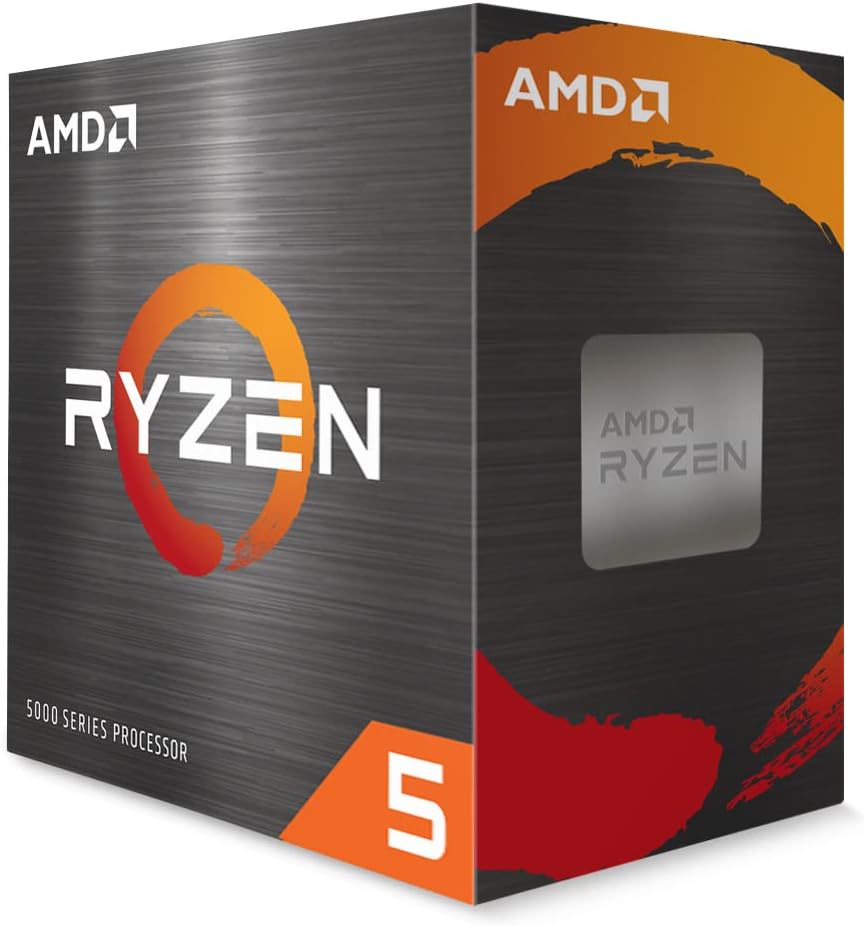
The AMD Ryzen 5 9600X brings Zen 5 architecture to the mid-range market. With a 4.8 rating, it delivers strong performance for general data tasks efficiently.
We may earn a commission when you buy through this link, at no additional cost to you.
Its 6 cores and 12 threads are sufficient for standard spreadsheet work. The unlocked design allows users to tweak performance if they have adequate cooling solutions.
Support for PCIe 5.0 on select motherboards ensures modern connectivity. DDR5-5600 support also enhances memory bandwidth for faster data processing speeds.
This CPU is perfect for users who need reliable performance without paying premium prices. Just remember that a separate cooler is required for installation.
The new architecture improves instructions per clock which means better performance for the same amount of power compared to previous generations.
Choosing the AM5 platform means you can upgrade to future Ryzen processors without changing your motherboard, protecting your investment over time.
We may earn a commission when you buy through this link, at no additional cost to you.
This Intel Core Ultra 7 processor offers a balanced approach to high-performance computing. With a 4.7 rating, it supports 24 cores for demanding workloads.
We may earn a commission when you buy through this link, at no additional cost to you.
The Performance Hybrid Architecture distributes workloads effectively. It reaches up to 5.5 GHz for top-tier responsiveness during complex calculations or data processing.
Compatible with Intel 800 Series Chipset motherboards it supports PCIe 5.0 and high-speed DDR5 memory. This ensures your system remains fast and modern for years.
Enthusiasts will appreciate that it is unlocked for performance tuning. Just ensure you have a Z-series chipset to fully utilize its overclocking capabilities.
Support for memory speeds up to 7200 MT/s allows for rapid data transfer rates which is critical when working with large datasets in memory.
Engineered with 125W base power and 250W max turbo power it maintains performance even during sustained high-intensity work sessions.
We may earn a commission when you buy through this link, at no additional cost to you.
The AMD Ryzen 9 9950X is a top tier choice for professional data analysis. With a 4.8 rating, it delivers ultra-fast performance for the world's most popular tasks.
We may earn a commission when you buy through this link, at no additional cost to you.
Its 16 cores and 32 threads ensure that even heavy calculations do not bottleneck your workflow. The 80 MB cache provides ample space for large datasets.
Max boost reaches 5.7 GHz ensuring single thread tasks remain responsive. Liquid cooling is recommended to maintain optimal performance under sustained loads effectively.
This processor is built for creators and power users who need maximum efficiency. It balances gaming performance with heavy multi-threaded data analysis workloads.
The high thread count allows you to run multiple virtual machines or containerized data tools alongside Excel without any performance drops.
Given its power output, a liquid cooler is recommended to keep temperatures stable and avoid thermal throttling during long data processing sessions.
We may earn a commission when you buy through this link, at no additional cost to you.
The Intel Core i7-12700KF offers robust performance for demanding applications. With a 4.7 rating, it features 12 cores and 20 threads for multitasking efficiency.
We may earn a commission when you buy through this link, at no additional cost to you.
Its Hyper-threading architecture enhances performance per watt. The 36 MB cache ensures that computation intensive apps run smoothly without lag.
Socket LGA-1700 allows for easy placement without soldering. Intel 7 Architecture enables improved efficiency making it a power-efficient choice for workstations.
This CPU is a solid choice for users upgrading from older systems. Ensure you have a discrete graphics card since this model does not include integrated graphics.
Hyper-threading allows each physical core to handle two threads simultaneously, improving throughput for parallel data processing tasks.
This architecture improves efficiency meaning you get better performance per watt which is essential for long running calculations.
We may earn a commission when you buy through this link, at no additional cost to you.
The Intel Core i5-14400F is a great mid-range option for spreadsheet work. With a 4.8 rating, it integrates 10 cores and 16 threads efficiently.
We may earn a commission when you buy through this link, at no additional cost to you.
Its hybrid architecture prioritizes workloads to optimize performance. It reaches up to 4.7 GHz unlocked providing responsive speeds for most data tasks.
Compatible with Intel 600-series or 700-series chipsets it offers flexibility. Support for PCIe 5.0 and DDR4 DDR5 memory ensures broad compatibility options.
Users should note a discrete graphics card is required for this model. It is a cost-effective choice for general productivity and moderate data analysis.
The included RM1 thermal solution helps maintain basic cooling standards which is sufficient for standard office loads without additional investment.
Support for both DDR4 and DDR5 means you can use existing memory or upgrade to newer faster RAM depending on your budget needs.
We may earn a commission when you buy through this link, at no additional cost to you.
The AMD Ryzen 9 9900X brings substantial power to desktop processors. With a 4.8 rating, it features 12 cores and 24 threads for multitasking.
We may earn a commission when you buy through this link, at no additional cost to you.
Max boost reaches 5.6 GHz which ensures fast responsiveness for single-threaded calculations. The 76 MB cache supports large data handling capabilities effectively.
Designed for the AM5 platform it supports PCIe 5.0 on select motherboards. This future-proofs your system for upcoming hardware advancements and speeds.
Cooler not included means you need to source a quality cooling solution. It remains a top choice for users needing high core counts for professional work.
The unlocked design allows advanced users to push clock speeds beyond factory settings for extra performance if their cooling setup supports it.
Support for PCIe 5.0 ensures compatibility with the fastest storage devices available reducing load times for massive datasets.
We may earn a commission when you buy through this link, at no additional cost to you.
The AMD Ryzen 5 5500 is an affordable entry-level choice. With a 4.7 rating, it delivers fast performance for its price point effectively.
We may earn a commission when you buy through this link, at no additional cost to you.
Its 6 cores and 12 threads handle standard spreadsheet work well. The included Wraith Stealth cooler simplifies installation for new users immediately.
It is optimized for the AM4 platform. While older it remains a cost-effective solution for those needing solid basic performance without extra costs.
Discrete graphics card is required for this model. It is perfect for students or small businesses looking for an economical yet capable processor.
Including a Wraith Stealth cooler saves money and ensures the processor runs within safe temperatures right out of the box.
At an affordable price this CPU offers significant value for users who do not need the highest core counts for heavy workloads.
We may earn a commission when you buy through this link, at no additional cost to you.
Selecting the right processor requires balancing core counts, cache sizes, and clock speeds based on your specific data workload needs.
For data analysis tasks that involve complex calculations or large datasets, a higher core count allows for better parallel processing. Modern applications often utilize multiple threads to improve efficiency when running multiple Excel files or analysis tools simultaneously.
If you primarily work with simple spreadsheets, fewer cores may suffice. However for professionals handling massive data sets should look for processors with at least 12 cores to ensure smooth multitasking and faster computation.
Cache memory acts as a high-speed buffer between the CPU and main memory. A larger cache allows the processor to access frequently used data more quickly which is crucial for repetitive Excel formulas and iterative data processing.
Look for CPUs with substantial L3 cache sizes. Larger caches reduce latency when dealing with large datasets which directly translates to faster calculation times and improved overall system responsiveness.
Clock speed determines how fast individual cores can execute instructions. While multi-core performance is important for heavy multitasking, single-thread performance remains critical for many Excel operations which rely on one core at a time.
Higher boost clock speeds ensure faster responsiveness during active data entry and formula execution. Aim for processors with max boost speeds above 4.5 GHz for optimal performance in standard spreadsheet tasks.
Ensure the processor matches your motherboard socket and chipset. Modern platforms like AM5 and Intel 800 series offer future upgradeability and support for the latest memory and storage technologies.
Choosing the right platform ensures you can upgrade to newer CPUs in the future without replacing your entire system. This protects your investment and extends the lifecycle of your workstation.
Memory bandwidth directly impacts data processing speed. DDR5 memory offers higher transfer rates compared to DDR4 which is beneficial when working with large datasets that do not fit entirely into CPU cache.
Check that your chosen CPU supports the memory type you plan to use. Ensuring compatibility with high-speed DDR5 will provide the best performance for data-heavy applications.
Power consumption affects both operating costs and thermal output. High-performance processors often have higher thermal design power which requires adequate cooling solutions to maintain stability during long calculations.
Consider your cooling capabilities and power supply when selecting a CPU. Efficient architectures deliver strong performance while keeping power usage in check for quieter and cooler operation.
Many high-end processors do not include a stock cooler. If you plan to overclock or run sustained workloads, investing in a robust aftermarket cooling solution is essential for maintaining performance.
Ensure you have a cooler that can dissipate heat effectively. Proper cooling prevents thermal throttling which can significantly reduce performance during extended data processing sessions.
Your budget should dictate how many features you can prioritize. While flagship processors offer top performance, mid-range options often provide excellent value for typical business and analysis tasks.
Balance your financial constraints with performance needs. Sometimes investing in additional RAM or storage provides better returns than choosing the absolute highest-end CPU for standard workflows.
Ensure your motherboard BIOS is updated to the latest version before installation. This guarantees compatibility with newer CPU microcode and ensures stable performance for your data analysis tasks.
Maintain proper airflow in your computer case to prevent overheating. Regularly clean dust from fans and heatsinks to keep your CPU running at optimal temperatures during intensive calculations.
Monitor your CPU temperatures using software tools while running large datasets. If temperatures consistently exceed safe limits consider adjusting your cooling setup to prevent performance throttling.
Not necessarily. While Excel benefits from multiple cores for complex data tasks, many formulas rely on single-core speed. A balance of high core count and fast clock speeds is usually ideal.
Yes significantly. A larger L3 cache allows the processor to store more frequently accessed data locally reducing the need to fetch from slower main memory during calculations.
No. Most modern CPUs deliver excellent performance out of the box. Overclocking introduces instability and heat risks which can be avoided with proper cooling and stock settings.
Both offer strong processors. AMD Ryzen often provides better efficiency and upgrade paths via AM5 while Intel offers high clock speeds. Choose based on your specific budget and motherboard availability.
DDR5 offers significantly higher bandwidth than DDR4 which speeds up data transfer rates between memory and the CPU. This is particularly beneficial for processing large datasets quickly.
For high-end CPUs without stock coolers, use a high-quality air cooler or liquid cooler. A robust cooling solution prevents thermal throttling and maintains performance during long workloads.
We have reviewed ten top processors ranging from budget options to premium powerhouses. Each model offers unique strengths for different data analysis needs and budget constraints.
Prioritize core count and cache size if you handle massive datasets regularly. For standard workloads, balanced performance processors often provide the best value for most users.
Remember to check current prices and availability before purchasing. Prices fluctuate frequently so verifying the latest details ensures you get the best deal for your new CPU.