
Capture Card 4K HDMI Video Streaming to USB 3.0 1080P 60FPS Capture Device
4.4Editor score
4K HDMI input support
1080P 60FPS capture
Plug-and-play USB 3.0
Low-latency performance
Compatible with PS5 Xbox
This guide compares the top 10 capture cards for streaming high FPS gameplay including features like 4K60, 1080p240Hz, HDMI 2.1 support, and low latency.
Streaming high frame rate gameplay requires a capture card that can handle rapid motion without dropping frames or introducing lag. Whether you compete in esports or create cinematic content, your hardware must keep pace with modern consoles and PCs to deliver smooth visual experiences.
We evaluated ten leading models based on resolution support, refresh rate capabilities, latency performance, and software compatibility. Our analysis covers budget-friendly options alongside premium devices that support HDMI 2.1, variable refresh rates, and ultra-high frame rates for serious streamers.
Each selection highlights specific strengths such as passthrough quality, audio inputs, and portability. Please note that product availability and pricing change frequently, so verify current details before making a purchase decision to ensure you get the right tool for your setup.
4.4Editor score
4.5Editor score

4.5Editor score
The following table provides a side-by-side comparison of all ten capture cards evaluated in this guide. It outlines their key specifications including maximum capture resolution, supported refresh rates, interface types, and unique features like HDR or audio inputs.


This capture card delivers solid performance for streamers on a budget who need reliable 1080P 60FPS capture without breaking the bank. It scores 4.4 out of 5 based on user feedback for its plug-and-play functionality and consistent video quality during live broadcasts.
We may earn a commission when you buy through this link, at no additional cost to you.
The device supports 4K HDMI input but downscales to 1080P 60FPS output ensuring smooth frame rates for competitive gaming. Its USB 3.0 interface allows for fast data transfer while maintaining low latency so your gameplay remains responsive during streams on Twitch or YouTube.
While it lacks true 4K capture capabilities its consistent performance at 1080P makes it ideal for entry-level setups. The compact design lets you travel easily with it though some users might miss advanced features like HDR support found in pricier models.
Buyers seeking an affordable solution for streaming high FPS gameplay from consoles or PCs will find this card meets essential needs. Its compatibility with OBS and Streamlabs makes setup straightforward ensuring you can start broadcasting quickly without technical hurdles.
The plug-and-play design means no drivers are required allowing you to connect via USB 3.0 and start streaming immediately on Windows or macOS systems.
It works seamlessly with HDMI-enabled devices including Nintendo Switch PS5 and Xbox Series X ensuring versatile use across different gaming platforms.
We may earn a commission when you buy through this link, at no additional cost to you.
This model balances affordability with useful features like HDMI loop-out and microphone input making it versatile for streamers who want commentary capabilities. With a 4.3 rating it performs well for 1080P streaming though it caps out at 2K30Hz for higher resolution outputs.
We may earn a commission when you buy through this link, at no additional cost to you.
The device accepts video input up to 1080p120/144Hz which is excellent for high FPS gaming feeds even if output remains at 60FPS. Its loop-out ensures zero delay during gameplay so you can play comfortably while broadcasting simultaneously without lag.
Audio integration is straightforward thanks to the dedicated mic-in port that supports 3.5mm headsets. This eliminates the need for extra adapters when adding voiceovers or team comms to your stream though advanced audio mixing might require external software.
It suits gamers who prioritize simplicity and reliable performance over maximum resolution. Compatibility with Windows and macOS ensures broad reach and the auto-detection as a webcam simplifies configuration for new users entering the streaming space.
The loop-out feature allows you to connect a monitor directly to the capture card so you experience zero input lag while the audience sees your stream.
A built-in 3.5mm mic port lets you connect a headset directly for easy commentary capture without needing an external audio interface or mixer.
We may earn a commission when you buy through this link, at no additional cost to you.
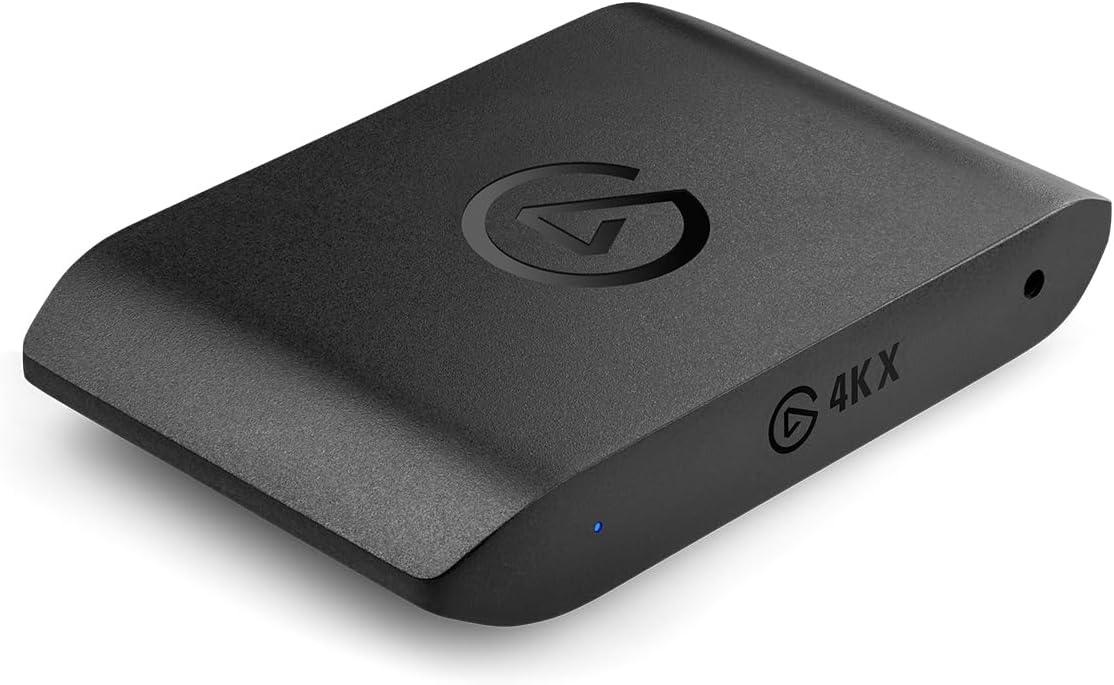
The Elgato 4K X sets a high standard for streaming high FPS gameplay with support for 4K at 144Hz and HDMI 2.1 connectivity. It earns 4.5 stars for its ultra-low latency and Variable Refresh Rate passthrough which keeps gameplay smooth and visually consistent.
We may earn a commission when you buy through this link, at no additional cost to you.
Streaming at high frame rates is seamless thanks to the USB 3.2 Gen 2 interface that handles massive data throughput. This ensures your broadcast matches your source performance without stuttering or frame drops that can ruin competitive gaming experiences.
The VRR passthrough feature is particularly valuable for modern consoles like PS5 that use variable refresh rates to prevent tearing. This technical advantage makes it a superior choice for gamers who want fidelity between their screen and stream.
Investors in premium streaming setups will appreciate its robust feature set and seamless integration with platforms like OBS and Twitch. While the cost is higher the performance guarantees make it worth it for serious content creators focused on quality.
HDMI 2.1 support allows for capturing high frame rates up to 240fps in 1080p ensuring future-proofing for next-gen console and PC gaming.
Variable Refresh Rate passthrough ensures your gameplay remains smooth and free of screen tearing while you record or stream high motion content.
We may earn a commission when you buy through this link, at no additional cost to you.
This capture card offers robust support for high frame rates including 1080P at 120FPS which is ideal for competitive streaming on Twitch. It carries a 4.2 rating for its reliable 4K60 capture and pass-through capabilities that maintain visual fidelity.
We may earn a commission when you buy through this link, at no additional cost to you.
The inclusion of 3.5mm audio input and mic-out ports allows for flexible audio mixing directly from the device. This feature reduces the need for external mixers when capturing voiceovers or ambient sounds alongside your gameplay footage.
While it supports broad operating systems including Linux and Android setup may require slight adjustments depending on your configuration. Its compact USB design ensures it fits easily into portable setups though firmware support might not be as extensive as major brands.
Gamers needing high frame rate capture without the premium cost of top-tier models will find this card a strong contender. Its pass-through ensures zero latency for your monitor making it a practical choice for daily use and travel.
The device handles 1080P at 120FPS for smooth motion capture ensuring fast-paced games look fluid on your stream without dropping frames.
With dedicated 3.5mm audio input and mic output you can connect external headsets directly to capture clear commentary during your streams.
We may earn a commission when you buy through this link, at no additional cost to you.
This acer capture card stands out for using YUY2 technology which delivers richer colors compared to standard MJPEG compression. It holds a 4.4 rating for its reliable 1080P 60Hz performance and ease of setup for various content creators.
We may earn a commission when you buy through this link, at no additional cost to you.
The mic-in port allows you to plug in a headset directly without needing extra adapters. This simplifies the streaming process by keeping voice audio synced perfectly with video eliminating post-editing hassle from mismatched audio and visuals.
While it supports 4K input it outputs at 1080P 60Hz which suits most streaming platforms effectively. Its small lightweight form factor makes it easy to pack for travel though advanced high refresh rate capture is not possible on this unit.
Streamers looking for a simple and affordable solution will appreciate the straightforward setup and solid color performance. The warranty and after-sales support add confidence for buyers who want a reliable tool for daily streaming tasks.
YUY2 technology provides richer and more accurate colors than MJPEG ensuring your live streams look professional and vibrant on screen.
A dedicated mic-in port lets you connect any 3.5mm headset directly for easy commentary capture without external audio adapters.
We may earn a commission when you buy through this link, at no additional cost to you.
PORTTA DX20R offers advanced features like HDR and VRR passthrough which enhance visual fidelity for high-end gaming setups. With a 4.2 rating it captures 4K at 60Hz while supporting 1080p at 240Hz for competitive gaming streams.
We may earn a commission when you buy through this link, at no additional cost to you.
The utility software allows you to customize video settings and update firmware providing more control over your stream output. This software suite also manages EDID and VRR modes ensuring compatibility with a wide range of modern gaming devices.
Its smart display and control feature lets you monitor parameters in real time making adjustments easy without stopping your broadcast. However the reliance on software for full feature access might be a learning curve for beginners.
Gamers who want HDR and VRR support at a mid-range price will find this card compelling. It bridges the gap between basic and premium options offering high refresh rate passthrough without the full cost of flagship models.
The CapHub Utility software allows you to customize video settings adjust audio mixing and update firmware for an optimized capture experience.
It supports 1080p passthrough at 240Hz ensuring your gameplay monitor sees fluid motion while you record high quality video for streaming.
We may earn a commission when you buy through this link, at no additional cost to you.
ASUS TUF Gaming captures 4K at 30Hz with near-zero latency making it ideal for high fidelity streams that need minimal delay. It rates 4.2 for its certified OBS compatibility and robust alloy build designed to withstand frequent use.
We may earn a commission when you buy through this link, at no additional cost to you.
The device supports 4K HDR passthrough so your monitor sees the full dynamic range even if your capture is lower. This ensures you can enjoy high quality visuals while streaming without compromising your gaming experience on screen.
USB 3.2 Type-C connectivity ensures fast data transfer and secure connection for stable streams. While the 4K capture tops out at 30fps the Full HD performance reaches 120fps which covers most competitive streaming needs.
Content creators who prioritize durability and certified compatibility will find this card reliable for daily use. Its premium build quality justifies the cost for users who demand a professional tool that lasts over time.
The durable alloy outer shell improves durability over time while maintaining a slim footprint for portable and reliable streaming setups.
It is certified for OBS Studio ensuring optimal usage and seamless integration on a wide variety of streaming platforms without errors.
We may earn a commission when you buy through this link, at no additional cost to you.
BlueAVS excels with support for 4K60 capture and 1080P 240Hz passthrough making it perfect for ultrawide and high-refresh gaming. It earns 4.4 stars for its lossless passthrough and ALLM support ensuring smooth tear-free visuals for your audience.
We may earn a commission when you buy through this link, at no additional cost to you.
The flexible audio mixing ports let you control line-in and headset audio with precision giving you professional sound capabilities. This is essential for streamers who need to balance game audio with voice comms cleanly.
True UVC and UAC plug and play means no drivers are required for setup on Windows or macOS. This simplifies the process significantly allowing you to focus on streaming rather than technical configuration.
Gamers with high refresh monitors will appreciate the accurate passthrough that preserves screen ratios. It is a versatile tool for creators who want maximum frame rate fidelity without cropping or compression issues.
The device ensures lossless passthrough so you and your audience enjoy the same 4K60 picture with no cropping or image compression.
Support for ALLM ensures responsive performance by automatically adjusting settings for seamless visuals during live streaming and recording.
We may earn a commission when you buy through this link, at no additional cost to you.
This PCIe capture card delivers ultra-low latency recording at 4K60 with support for refresh rates up to 240Hz. It scores 4.3 for its internal design which ensures a stable connection without cable clutter typical of external USB solutions.
We may earn a commission when you buy through this link, at no additional cost to you.
The internal installation provides consistent performance ideal for dedicated streaming rigs that need reliable throughput. Its support for high refresh rates ensures competitive matches look smooth whether you are using PS5 or a high-end PC.
While it is limited to desktop PCs the stability offered by PCIe makes it a favorite for serious streamers. The 240Hz support keeps you future-proof for next-gen consoles that push frame rates even higher in competitive titles.
Buyers building a fixed streaming station will find this card provides professional-grade stability. Its compatibility with major platforms ensures you can capture high quality footage consistently without worrying about connection dropouts.
As an internal PCIe card it offers a dedicated connection for stable performance eliminating potential USB bottleneck issues for heavy streaming loads.
The device supports refresh rates up to 240Hz ensuring smooth motion capture for competitive FPS gaming and high-end sports titles.
We may earn a commission when you buy through this link, at no additional cost to you.
The Elgato 4K Pro delivers the highest tier performance with 8K60 passthrough and 4K60 capture capability for ultimate streaming quality. It earns a 4.5 rating for its HDMI 2.1 connectivity and ultra-low latency ensuring perfect synchronization between broadcast and gameplay.
We may earn a commission when you buy through this link, at no additional cost to you.
Variable Refresh Rate passthrough guarantees a seamless gaming experience free of screen tearing while you record or broadcast. This feature makes it the top choice for creators who want flawless visuals at any frame rate or resolution.
Its internal design ensures stable data transfer without interference from external cables. While it demands a PCIe slot and higher investment the output fidelity makes it the best option for professional streams and future-proof setups.
Investors seeking the best possible capture solution will find this card unmatched in fidelity and support. It stands as the gold standard for high-end gaming capture ensuring every frame is recorded with precision and clarity.
Enjoy the pure gameplay experience at 8K60 resolution while the audience gets 4K60 quality from your broadcast without any loss.
VRR passthrough technology eliminates screen tearing to deliver flawlessly smooth visuals for your gaming experience and stream audience.
We may earn a commission when you buy through this link, at no additional cost to you.
Choosing the right capture card requires balancing resolution frame rate support and latency performance with your budget and setup needs.
Ensure the card supports your source device's output. For competitive gaming look for 1080P 120Hz or 144Hz capture. For cinematic content 4K60 capture is the standard to maintain visual fidelity.
Prioritize cards that match your console or PC's maximum output to avoid bottlenecks that can drop frame rates during high motion scenes.
HDMI 2.1 is essential for 4K120Hz or 144Hz capture and passthrough. HDMI 2.0 limits you to 4K60Hz or 1080P higher refresh rates. Check if your console requires HDMI 2.1 to use advanced features.
Choose HDMI 2.1 compatible models if you own a PS5 or Xbox Series X to unlock full potential including VRR and high refresh passthrough.
Ultra-low latency ensures you see the same frame as the audience without delay. Zero latency passthrough lets you play on your monitor while recording ensuring your input remains responsive.
Prioritize cards with dedicated HDMI loop-out ports to avoid lag that can ruin competitive gameplay during live broadcasts.
Variable Refresh Rate support prevents screen tearing during high speed action. HDR compatibility ensures color depth remains intact on streams without washing out colors or losing detail in shadows.
Look for explicit VRR and HDR passthrough features to maintain the visual fidelity of modern consoles like PS5.
Cards with 3.5mm mic-in allow you to add commentary directly. Built-in audio mixers let you balance game and mic audio without extra interfaces.
Select models with clear audio inputs to reduce setup complexity and improve stream sound quality.
Internal PCIe cards offer stable performance and are ideal for desktop PCs. External USB cards are portable and work well with laptops or setups that lack expansion slots.
Choose based on your PC type. Desktop users can go internal for stability while laptop users need external USB 3.2 or USB-C options.
Ensure the card is compatible with OBS Studio Streamlabs or your preferred streaming app. Native support for Windows and macOS simplifies setup.
Check for utility software that allows firmware updates and setting adjustments for long-term compatibility.
Alloy shells and durable connectors ensure the card withstands daily use. Check for warranties that cover defects and offer reliable support.
A solid build reduces risk of failure during long sessions and protects your investment over time.
Start by connecting your console or PC via HDMI to the capture card input. Plug the capture card into your computer using the provided USB 3.0 or USB-C cable. If you have a dedicated monitor connect a second HDMI cable to the capture card loop-out port.
Install or open your streaming software like OBS and add a video capture source. Select your capture card from the device list and adjust resolution and frame rate settings in the properties to match your desired output.
Regularly check for firmware updates through the manufacturer's utility software to ensure compatibility. Avoid bending cables sharply and keep the capture card in a cool dry environment to prevent overheating and hardware failure.
Most external capture cards are compatible with laptops as long as they have a free USB 3.0 or USB-C port. Ensure your laptop supports the necessary bandwidth for high resolution streaming. Internal PCIe cards are not suitable for laptops unless using an external Thunderbolt enclosure.
No you generally need a computer or mobile device to run streaming software like OBS. Some apps allow phone-based streaming but a PC offers better performance for recording and broadcasting high FPS gameplay effectively.
Variable Refresh Rate passthrough ensures your display receives a smooth signal without tearing. It synchronizes the monitor refresh rate with the game frame rate which is essential for competitive gaming on PS5 or Xbox Series X.
Yes HDMI 2.0 can handle 1080P at 144Hz but for 4K120Hz you need HDMI 2.1. If you plan to stream 4K ensure your capture card supports HDMI 2.1 to avoid limiting your frame rate or resolution.
High latency can introduce delay between your input and what is on screen. Choose capture cards with ultra-low latency and zero lag passthrough to ensure your gameplay remains responsive during competitive matches.
Audio sync issues often arise from software settings. Check your streaming software audio delay settings and ensure the capture card mic-in is properly configured. Use a dedicated mic for better sync than relying on HDMI audio alone.
Yes most capture cards work as webcams for Zoom or Teams. They accept video from DSLR cameras or consoles making them versatile for presentations or meetings where you need high quality video input.
Capture refers to processing the signal for live streaming while recording saves the footage locally. Many capture cards support both allowing you to broadcast live and keep a local copy of the stream simultaneously.
We explored ten capture cards that excel in high FPS streaming from budget friendly 1080P models to premium 4K60 devices. The Elgato 4K X and AVerMedia PCIe options stand out for refresh rate support and low latency performance.
Prioritize your frame rate needs whether you stream at 60FPS or need 120Hz for competitive titles. HDMI 2.1 support is essential for future proofing and VRR passthrough helps maintain flawless visuals on modern displays.
Always verify current availability and pricing before purchasing since these details change frequently. Choose the model that fits your budget and ensures your high FPS gameplay is captured with the smoothest and clearest quality.