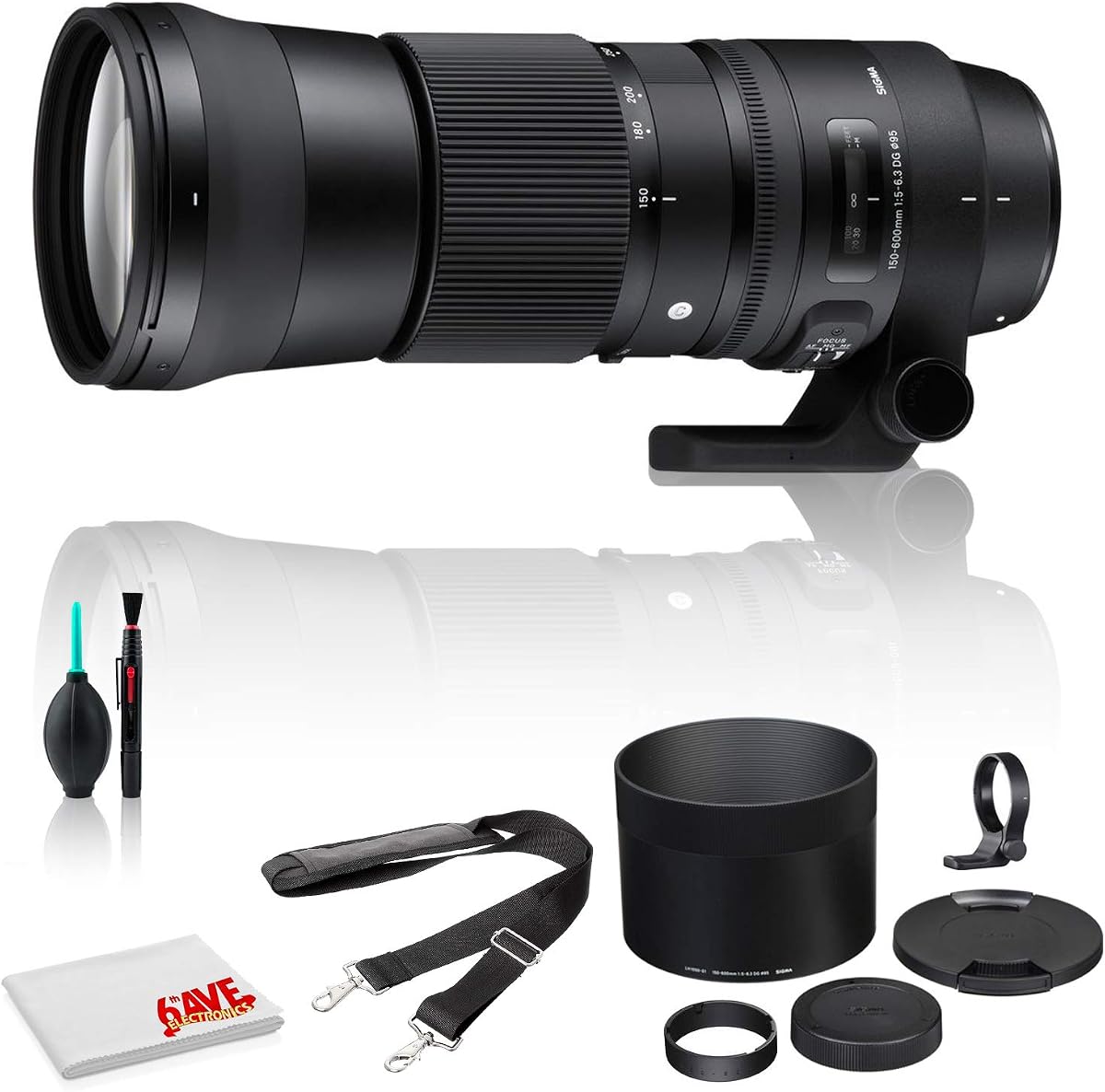
Sigma 150-600mm f/5-6.3 DG OS HSM Contemporary
4.5Editor score
One FLD and three SLD elements
Hyper Sonic Motor AF system
Optical Stabilizer with accelerometer
This guide compares the top camera lens for long distance wildlife photography to help you choose the best telephoto zoom for capturing sharp images of animals
Capturing wildlife from a safe distance requires the right optical tools to bring distant subjects into sharp focus. A quality telephoto lens allows photographers to isolate animals in their natural habitats without disturbing them. Choosing the right lens depends on your camera system, budget, and the specific types of wildlife you plan to photograph in various conditions.
We have evaluated ten distinct telephoto options ranging from budget-friendly manual primes to professional-grade super-telephoto zooms. Our analysis focuses on optical quality, autofocus speed, image stabilization, and portability to ensure you can handle the demands of fieldwork. Each product offers unique strengths for different shooting scenarios and equipment ecosystems.
Every selection in this guide highlights key specifications and real-world performance notes to help you make an informed decision. We include options for both Canon and Nikon users as well as mirrorless and DSLR platforms to cover a wide range of needs. Please note that prices fluctuate frequently so verify current costs before finalizing your purchase decision.
4.5Editor score
4.7Editor score

4.0Editor score
This table provides a side-by-side view of all ten lenses to help you compare focal ranges and features quickly. Review the specifications below to identify which model matches your camera body and photography goals for wildlife imaging in the field.



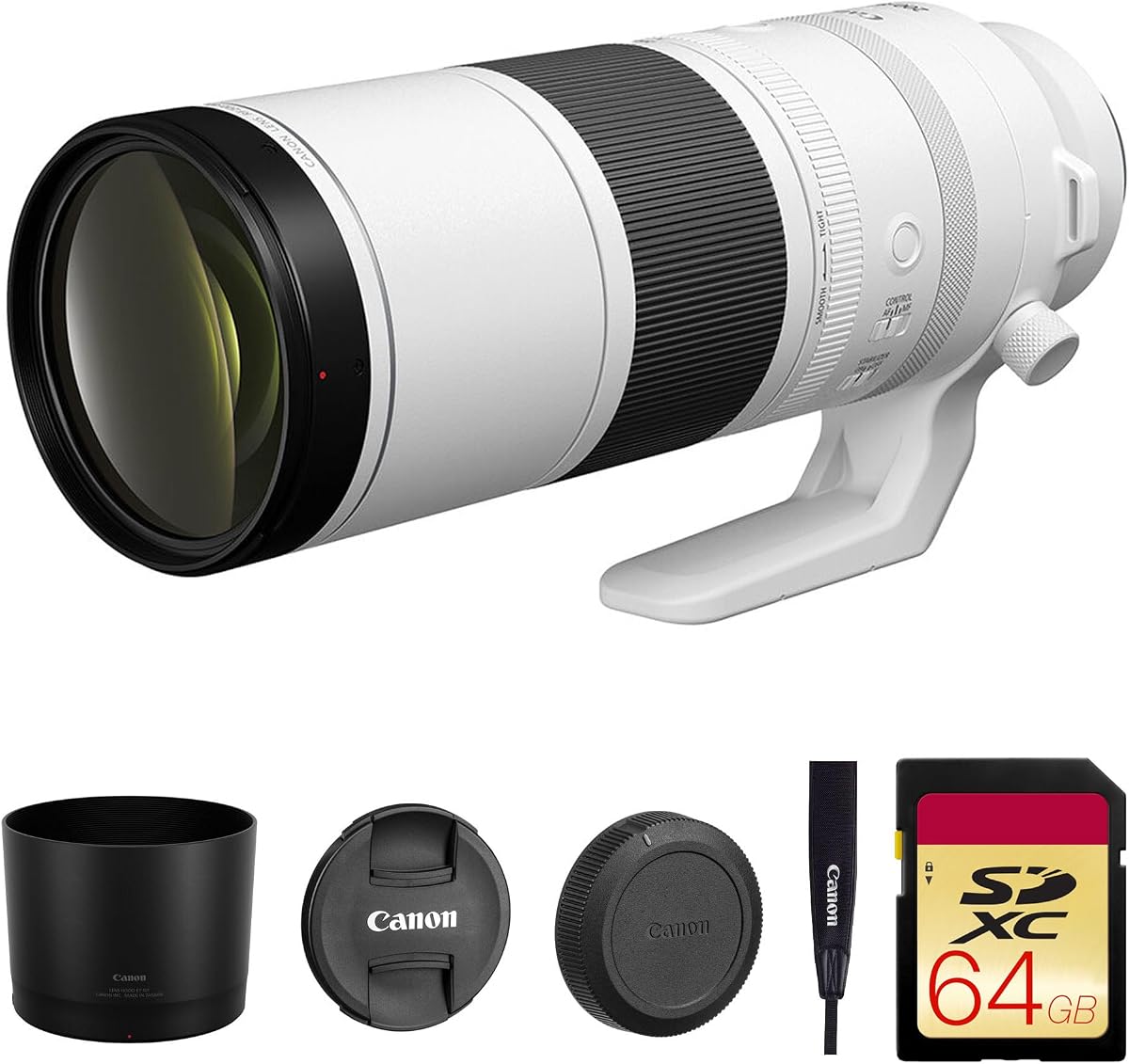
The Canon RF 200-800mm stands out as a top contender for wildlife photographers needing extreme reach without excessive weight. With a rating of 4.7 stars it delivers sharp images across its zoom range. The bundle includes a memory card ensuring you have everything needed to start shooting immediately.
We may earn a commission when you buy through this link, at no additional cost to you.
Its standout quality is the combination of 800mm focal length and lightweight construction. The built-in image stabilization allows for handheld shooting even at the longest focal lengths. The USM autofocus system locks onto moving subjects quickly and quietly which is critical for not startling animals in the wild.
While the variable aperture can reduce light gathering at 800mm the optical design compensates well with high clarity. The lens remains compact enough for travel but still offers professional-level image quality. Handled comfortably it balances well on modern mirrorless bodies for extended field sessions.
Birdwatchers and sports photographers will find this lens ideal for capturing distant action. Its versatility makes it a strong investment for those who need one lens to cover multiple scenarios. We recommend it for users seeking the best balance of reach and portability in the RF ecosystem.
From 200mm to 800mm this lens offers super-telephoto reach perfect for birdwatching and nature photography.
Capture fast-moving subjects with Canon’s advanced USM autofocus delivering sharp focus quickly even at long range.
We may earn a commission when you buy through this link, at no additional cost to you.
This RF lens matches the performance of the bundle version but focuses on the core optical capabilities. It holds a strong rating and is designed for mirrorless users who prioritize mobility. The compact design is a major advantage for photographers who hike to remote locations.
We may earn a commission when you buy through this link, at no additional cost to you.
The optical design takes advantage of the RF mount to maintain high image quality. It is compatible with extenders allowing you to push the reach even further if needed. The autofocus system ensures you do not miss moments with fast-moving wildlife in unpredictable environments.
Shooting at 800mm usually requires a tripod but this lens allows for comfortable handheld use. The balance and weight distribution are optimized for long sessions. While the price is high it justifies the cost with professional-grade image quality and engineering.
If you own a Canon EOS R series camera this lens is a perfect match for wildlife photography. It combines power with portability better than most competitors. We suggest it for serious photographers who need reliable performance without the bulk of older DSLR telephoto lenses.
World’s first AF super-telephoto zoom lens with telephoto end of 800mm.
Compatible with Extender RF1.4x and Extender RF2x at all focal lengths.
We may earn a commission when you buy through this link, at no additional cost to you.
For Canon EF mount users this Sigma lens offers professional image quality at a competitive price. The bundle includes a deluxe cleaning kit which is helpful for field maintenance. Its 4.5 rating reflects consistent performance across various shooting conditions.
We may earn a commission when you buy through this link, at no additional cost to you.
The optical construction uses one FLD and three SLD elements to minimize aberrations. This ensures high clarity and contrast even at maximum magnification. The Hyper Sonic Motor delivers quick and accurate autofocus which is vital for capturing fleeting wildlife movements.
The Optical Stabilizer with accelerometer helps reduce camera shake significantly. This allows for sharper images in lower light or when shooting handheld. While the lens is heavier than mirrorless options it remains manageable for tripod work.
This lens is an excellent choice for DSLR owners who want long reach without breaking the bank. It handles well in the field and produces sharp results. We recommend it for wildlife photographers who prioritize optical performance and value.
One FLD and Three SLD Elements ensure high image quality.
Optical Stabilizer with Accelerometer provides effective shake reduction.
We may earn a commission when you buy through this link, at no additional cost to you.
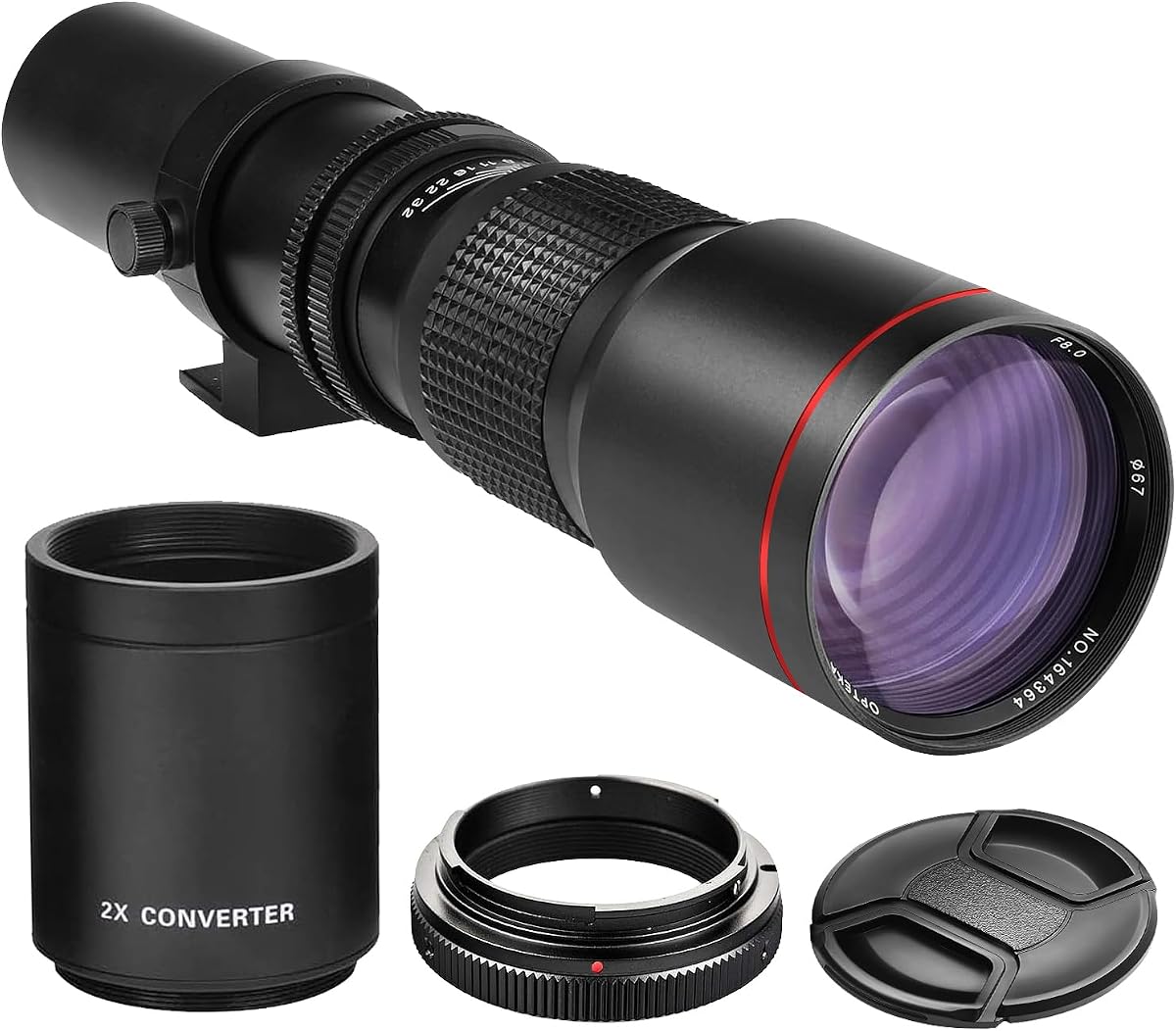
This manual lens provides an accessible way to try extreme telephoto photography. With a 4.0 rating it meets expectations for its low price point. The bundle includes a 2X teleconverter allowing you to reach 1000mm for distant targets.
We may earn a commission when you buy through this link, at no additional cost to you.
The high index low dispersion multi-coated optical glass assures clear sharp photos. Manual focus gives you complete creative control over your images. It is built to withstand the rigors of outdoor shooting with a robust finish.
Shooting at 1000mm requires steady hands and patience due to the manual operation. It is best for static subjects or wildlife that does not move quickly. Despite the limitations it delivers decent optical quality for the cost.
Beginners or hobbyists on a tight budget will find this lens useful. It allows you to explore long distance photography without a large investment. We suggest it for static wildlife or landscape shots where autofocus is not critical.
Achieve superior image quality with our 500mm/1000mm f/8 manual telephoto lens.
The 2X Teleconverter doubles the lens power to a groundbreaking 1000mm.
We may earn a commission when you buy through this link, at no additional cost to you.
This professional L-series lens is a classic choice for Canon DSLR users. Its bundle includes useful accessories like a filter kit and lens cap keeper. The lens maintains a solid reputation for image quality and durability in field conditions.
We may earn a commission when you buy through this link, at no additional cost to you.
Advanced optical construction uses one fluorite element and one Super UD element to minimize aberrations. A floating element system maintains consistent sharpness and contrast throughout the zoom range. The ring-type USM delivers fast and precise autofocus performance.
Built-in optical image stabilization reduces camera shake by up to two stops. This improves handheld shooting and low-light performance significantly. The rotating tripod collar allows for balanced support during long sessions.
Wildlife and sports photographers will appreciate the reliable performance and build. It remains a trusted option for those invested in the EF mount ecosystem. We recommend it for users who want a proven professional zoom with proven durability.
Advanced optical construction uses one fluorite element and one Super UD element to minimize aberrations.
Reduces the appearance of camera shake by up to two shutter speed stops.
We may earn a commission when you buy through this link, at no additional cost to you.
This lens offers one of the longest reach options available in the manual category. With a 4.0 rating it serves budget-conscious photographers who need extreme magnification. It fits a wide variety of Canon DSLR models for easy integration.
We may earn a commission when you buy through this link, at no additional cost to you.
The 2X teleconverter doubles the lens power to 1600mm bringing distant subjects closer. The sophisticated f/8.3 aperture ensures photos are crisp and clear. It is designed for capturing elusive wildlife and distant landscapes effectively.
Manual operation requires time and focus but allows for creative control. The lens secures to your DSLR with ease for superior picture quality. While not for fast action it is excellent for static long-range photography.
Bird watchers and amateur astronomers may find this lens particularly useful. It provides a low-cost entry into high magnification imaging. We suggest it for static wildlife observation where speed is not a primary concern.
The 2X Teleconverter doubles the lens power to a whooping 1600mm.
Attuned for an EF-Mount this Canon lens secures to your DSLR with ease.
We may earn a commission when you buy through this link, at no additional cost to you.
This compact RF telezoom lens is designed for mirrorless users who value portability. Its strong 4.6 rating reflects its high image quality in a small package. The Nano USM motor ensures smooth and quiet autofocus performance.
We may earn a commission when you buy through this link, at no additional cost to you.
Optical Image Stabilizer provides up to 5.5 stops of shake correction. When paired with EOS R series cameras featuring IBIS you get up to 6 stops total. This makes handheld shooting very reliable even at 400mm.
The lens is lightweight making it ideal for travel and outdoor adventures. It offers a versatile zoom range covering many wildlife scenarios. The minimum focusing distance allows for decent close-up work of subjects.
Hikers and birders seeking a balance of quality and weight will love this option. It is affordable for an RF mount lens yet performs at a high level. We recommend it for everyday wildlife shooting with Canon EOS R cameras.
Optical Image Stabilizer with up to 5.5 Stops of shake correction.
High speed smooth and quiet autofocus with Canon’s Nano USM.
We may earn a commission when you buy through this link, at no additional cost to you.
This entry-level lens is a classic choice for new Canon SLR users. With a 4.7 rating it is known for simplicity and reliability. It is an excellent tool for learning how to shoot telephoto images without advanced features.
We may earn a commission when you buy through this link, at no additional cost to you.
The improved mechanism makes zooming smoother for better handling. It measures compactly and weighs only 16.8 ounces which is light for travel. The DC autofocus motor is functional though not as fast as newer options.
Lack of image stabilization requires higher shutter speeds to avoid blur. This is acceptable in daylight but challenging in shade. The optics are adequate for general wildlife and landscape shots.
Beginners or those with a strict budget will find this lens very practical. It allows you to understand focal length needs before upgrading. We suggest it for casual photography and learning photography fundamentals.
Improved mechanism makes zooming smoother; front part of zoom ring sports silver ring.
Measures 2.8 inches in diameter and 4.8 inches long.
We may earn a commission when you buy through this link, at no additional cost to you.
This Nikon bundle provides a complete package for super-telephoto needs. It includes a filter kit lens cap keeper and cleaning kit for field use. The lens holds a 4.2 rating reflecting its solid performance across its zoom range.
We may earn a commission when you buy through this link, at no additional cost to you.
Three extra-low dispersion elements diminish color fringing and chromatic aberrations for clarity. The Silent Wave Motor ensures rapid silent and accurate autofocus. The VR image stabilization system minimizes camera shake effectively.
The rotating tripod collar provides stable support for vertical and horizontal shots. It is compatible with both FX and DX sensors offering versatile reach. The aperture is fixed at f/5.6 which simplifies exposure settings.
Nikon DSLR shooters will find this lens a top choice for wildlife and sports. It offers professional reach at a mid-range price. We recommend it for those invested in the Nikon F-mount ecosystem needing serious reach.
Incorporation of three extra-low dispersion elements substantially diminishes color fringing.
Vibration Reduction image stabilization system minimizes camera shake up to 4.5 stops.
We may earn a commission when you buy through this link, at no additional cost to you.
This renewed option offers the same capabilities as the new model at a lower cost. With a 4.7 rating it suggests high quality and customer satisfaction. It provides a practical path for users seeking value without compromising optical specs.
We may earn a commission when you buy through this link, at no additional cost to you.
It features the same DC autofocus motor and improved zoom mechanism as the original. The renewal process ensures the lens is cleaned and tested. It fits Canon EF mount cameras for easy integration into existing setups.
The lack of image stabilization is consistent with the original design. However the price point makes it an accessible choice for beginners. It is a reliable tool for learning photography basics in the field.
Photographers looking to save money while getting a proven optical design will appreciate this. It allows you to use telephoto gear without a large upfront expense. We suggest it for budget buyers who want reliability and value.
This renewed option offers the same capabilities as the new model at a lower cost.
Measures 2.8 inches in diameter and 4.8 inches long.
We may earn a commission when you buy through this link, at no additional cost to you.
Selecting the right lens involves balancing focal length, aperture, stabilization, and budget. Use the factors below to understand which features matter most for your photography goals.
Wildlife photography demands long focal lengths to capture subjects from a safe distance without intrusion. A lens starting at 200mm is the minimum for decent wildlife work but 400mm to 600mm offers superior isolation. Super-telephoto lenses extending to 800mm or beyond allow for extreme reach but require more stability or a tripod to use effectively in the field.
Aperture affects how much light reaches your sensor and impacts depth of field. Faster apertures like f/4 allow for better low-light performance and background separation but add significant weight. Variable aperture lenses like f/6.3-9 are lighter and more affordable but may struggle in dim conditions or require higher ISO settings.
Optical Image Stabilization (OIS) or Vibration Reduction (VR) is critical for handheld telephoto shots. Stabilization compensates for hand shake allowing sharper images at slower shutter speeds. Many modern lenses offer 5 to 6 stops of stabilization which can be a deciding factor between handheld and tripod use in challenging light.
Wildlife moves unpredictably so fast autofocus is non-negotiable for action shots. Motors like USM or HSM provide quick and quiet focus acquisition. Ensure the lens supports continuous autofocus tracking to maintain focus on moving animals without missing the decisive moment.
Telephoto lenses can be heavy and bulky affecting your ability to hike to remote locations. A lightweight lens encourages you to carry it more often reducing fatigue during long sessions. Consider your physical ability and trip duration when choosing between professional heavy zooms and lighter alternatives.
Ensure the lens mount matches your camera body to avoid the need for adapters which can impact performance. RF lenses are designed for mirrorless EOS R series cameras while EF lenses work with DSLRs. Nikon users should choose F-mount lenses for their DSLR systems for seamless integration.
Field conditions often involve dust moisture and variable temperatures. Weather-sealed lenses with robust construction will withstand these elements better. A durable lens ensures reliability and longevity making it a better investment for frequent outdoor use.
Telephoto lenses range from affordable budget options to expensive professional glass. Determine your budget early to narrow down choices effectively. Sometimes a bundle with accessories adds value and may offer a better overall package than purchasing individual components.
Always start by setting your camera to continuous autofocus mode to track moving wildlife. Use a fast shutter speed to freeze motion and ensure your ISO is set high enough to avoid blur. Stabilize your body or use a monopod to maintain focus on distant subjects.
Keep the front element clean and dry before and after every shoot. Use a soft cloth or lens brush to remove dust and moisture gently. Store the lens in a dry place with silica gel to prevent fungus growth on optical elements.
Adjust your zoom smoothly to avoid introducing shake while framing subjects. When using a tripod lock the zoom ring at your chosen focal length to prevent drifting. Regularly update your camera firmware to optimize lens autofocus compatibility.
A focal length of at least 300mm is recommended for wildlife photography to get closer to animals without disturbing them. Many professionals prefer 400mm to 600mm or more to isolate subjects in dense habitats. The longer focal length allows for tighter framing and better background separation.
Yes image stabilization is highly recommended for telephoto lenses especially when shooting handheld. It compensates for camera shake which becomes more pronounced at longer focal lengths. Without it you may experience blurry images even when using a fast shutter speed.
A tripod is ideal for long telephoto lenses to ensure maximum stability and image quality. However many modern lenses have stabilization that allows for acceptable handheld shots. If you hike frequently a monopod might be a better compromise for mobility.
Yes but you will need an adapter to use EF lenses on RF bodies. Adapters generally maintain autofocus and image quality but can add length and weight. Native RF lenses are optimized for mirrorless bodies and often perform better.
Use a soft brush to remove loose dust and a microfiber cloth to wipe fingerprints gently. Avoid using household cleaners which can damage the lens coating. Store the lens with caps on to prevent dust accumulation between shoots.
Zoom lenses allow you to change focal lengths while prime lenses have a fixed focal length. Zooms offer flexibility for wildlife photography where distance varies. Primes often offer wider apertures and sharper optics at a specific range.
We hope this guide has helped you understand the best lenses for capturing wildlife from afar. Our top picks cover a range of needs from the versatile Canon RF 200-800mm to the budget-friendly manual options.
Prioritize features like image stabilization and autofocus speed based on how you plan to shoot. If you hike often weight and balance should be a major consideration in your final choice.
Remember to check current prices and bundle offers before purchasing to get the best value. Your chosen lens will open up new creative possibilities for your wildlife photography journey.