
JOYO Guitar Audio Interface for Phone
4.2Editor score
Direct monitoring with zero latency
Pocket-sized portable design
No drivers or charging required
This guide compares the top audio interfaces for guitar to help musicians find the best recording tools for tone, latency, and compatibility.
Finding the right audio interface for guitar can transform your home studio into a professional recording space. Whether you are a beginner or a seasoned pro, the right hardware ensures your instrument sounds crisp and clear during every session.
We evaluated ten leading models based on sound quality, connectivity options, and ease of use. Our analysis covers budget-friendly mobile solutions as well as robust desktop units designed for serious music production and live streaming applications.
Each pick highlights specific strengths and ideal use cases to help you decide quickly. Keep in mind that prices and availability can change over time so check the current listings before making your final purchase decision today.
4.2Editor score
4.6Editor score

4.5Editor score
The following table provides a side-by-side comparison of all ten selected audio interfaces. Review the key specifications and features to identify which model aligns best with your recording needs and budget constraints.



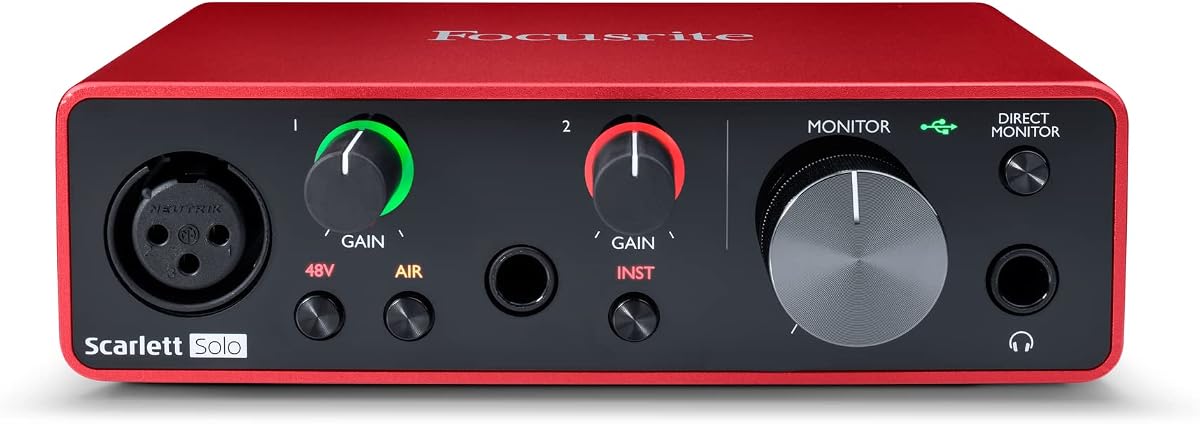
The Focusrite Scarlett Solo 3rd Gen stands out as a top choice for musicians seeking professional sound quality. With a robust rating and high-performance converters, it delivers pristine recordings at up to 24-bit/192kHz resolution.
We may earn a commission when you buy through this link, at no additional cost to you.
Its standout features include high-headroom instrument inputs that allow guitars to shine without unwanted clipping. The Gain Halos provide visual feedback for optimal levels while Air mode enhances acoustic instruments with extra clarity.
While it is limited to two inputs and costs more than basic options, the build quality justifies the investment. The included software suite covers essentials like Pro Tools Intro and Ableton Live Lite for immediate use.
This interface is ideal for solo artists and podcasters who need reliable tools to start recording right away. Its three-year warranty adds peace of mind for long-term use in any environment.
The switchable Air mode on the pre-amps adds extra brightness and detail to acoustic instruments during recording sessions.
Gain Halos provide instant visual feedback to help you set the perfect level without clipping your input signals.
We may earn a commission when you buy through this link, at no additional cost to you.
The JOYO MOMIX CAB is an exceptional budget option for guitarists who record directly on their phones. It offers direct monitoring with zero latency so you hear your clean signal instantly through headphones.
We may earn a commission when you buy through this link, at no additional cost to you.
Its design is pocket-sized and clips securely to belts or straps making it easy to capture ideas anywhere. There are no batteries or drivers needed so setup is truly instant for beginners.
Users should note it is not designed for real-time software amp simulations or effects processing. Compatibility varies on Android devices so check your phone settings before purchasing for smooth operation.
This interface is perfect for social media streaming or practicing with backing tracks. It provides a low-cost entry point into mobile recording with reliable JOYO quality.
Hear your unprocessed guitar signal in headphones alongside app audio for instant feedback while recording.
The back clip design allows you to attach the interface securely to your pocket or guitar strap.
We may earn a commission when you buy through this link, at no additional cost to you.
The M-AUDIO M-Track Duo is a versatile interface that covers recording streaming and live streaming needs. It delivers 48kHz audio resolution for pristine quality every time you connect it.
We may earn a commission when you buy through this link, at no additional cost to you.
Its two combo XLR inputs support instruments and microphones with phantom power for condenser mics. The transparent Crystal Preamps guarantee optimal sound from all your connected devices.
While it is limited to 48kHz resolution it remains a solid choice for home production. The USB/Direct switch allows for fuss-free zero latency monitoring during your sessions.
This interface suits podcasters and musicians who need flexibility without high costs. The included MPC Beats software provides essential tools to get started immediately.
Two combo inputs allow you to record guitars and vocals simultaneously with phantom power for mics.
Crystal Preamps ensure optimal sound quality for all microphones including condenser types.
We may earn a commission when you buy through this link, at no additional cost to you.
The IK Multimedia iRig USB interface offers pristine audio quality with 24-bit 48kHz resolution. It works with popular apps and includes a USB-C cable for Mac PC and iPad connectivity.
We may earn a commission when you buy through this link, at no additional cost to you.
Features like direct monitoring and a dedicated Amp out make it ideal for silent practice or connecting to rigs. It also supports selectable FX or THRU settings for flexible signal routing.
Users should note it does not work properly with Lightning cables so check your device first. The bundle includes a complete suite of recording software to jumpstart your creative journey.
This interface is built for musicians who need a robust portable solution. Its durable design withstands professional use while delivering consistent studio-grade results.
Select between FX processed or THRU direct settings for your Amp out to match your setup.
The package includes a complete suite of recording software and plug-ins for immediate use.
We may earn a commission when you buy through this link, at no additional cost to you.
The MAONO PS22 Lite is designed for recording enthusiasts and streamers who need high-resolution audio. It captures sound at 24-bit/192kHz with a dynamic range of 106dB for clarity.
We may earn a commission when you buy through this link, at no additional cost to you.
It features a powerful ProStudio Routing Software that opens up virtual channels and loopbacks for live streams. ASIO driver support ensures low-latency output for smooth broadcasting performance.
Beginners might find the routing software complex at first but it offers immense flexibility. You should install the correct driver settings to unlock full functionality for Mac and Windows.
This interface suits content creators who want professional sound without high costs. Its compact design fits in your palm while packing a serious sound punch.
ProStudio Routing Software opens virtual channels and loopbacks for advanced live streaming setups.
A dynamic range of 106dB ensures your recordings remain realistic and clear like the original.
We may earn a commission when you buy through this link, at no additional cost to you.
The PIYONE 2X2 Interface combines elegant design with studio-grade fidelity at an accessible price. It delivers 24-bit/192kHz audio resolution for crystal clear and low-noise recordings.
We may earn a commission when you buy through this link, at no additional cost to you.
Signature fixed LED light rings on each gain knob enhance visibility in dimly lit studios. The class-compliant USB-C port eliminates external power supplies for simple one-cable setup.
Loopback functionality makes it a great choice for content creators needing mix monitoring. However brand recognition is lower than major names so check reviews for long-term support.
This interface suits laptop users who want professional quality without bulky equipment. The 3.5mm headphone jack ensures compatibility with standard headsets without adapters.
Fixed LED light rings on gain knobs add a modern look while helping visibility in low light.
Loopback function allows you to monitor system audio while recording external sources seamlessly.
We may earn a commission when you buy through this link, at no additional cost to you.
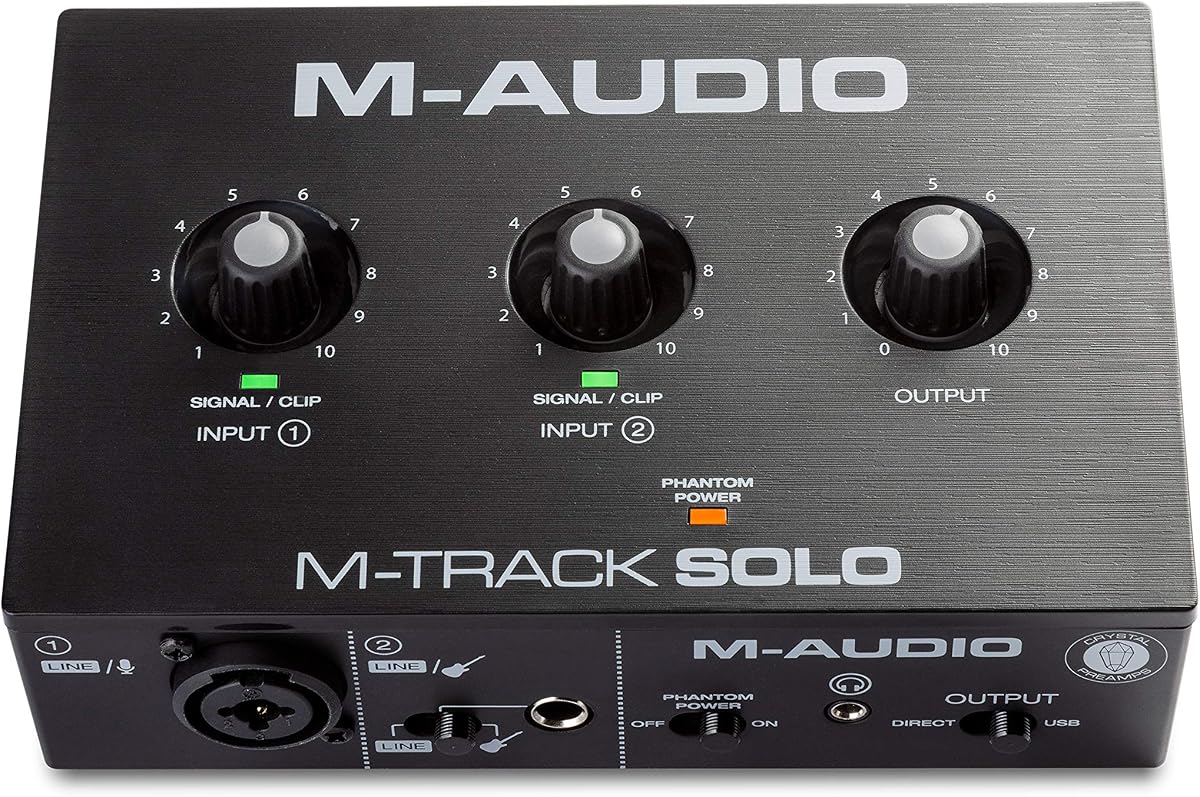
The M-AUDIO M-Track Solo is a portable interface designed to cover podcast recording and streaming needs. It delivers 48kHz audio resolution for pristine quality every time.
We may earn a commission when you buy through this link, at no additional cost to you.
It features one combo XLR input with phantom power and one Line or Instrument input. The transparent Crystal Preamp guarantees optimal sound from all connected microphones.
While limited to a single combo input it offers RCA outputs for total monitoring flexibility. The USB/Direct switch allows for zero latency monitoring during sessions.
This interface is perfect for solo artists who need a simple setup. The included MPC Beats software provides essential production tools from Akai Professional.
The transparent Crystal Preamp guarantees optimal sound quality from all your connected microphones.
Stereo RCA outputs offer total monitoring flexibility for connecting to other gear or speakers.
We may earn a commission when you buy through this link, at no additional cost to you.
The Arturia MiniFuse 1 stands out with a five-year warranty and robust build quality. It is designed to make your sound happen anywhere with a plug-and-play workflow.
We may earn a commission when you buy through this link, at no additional cost to you.
You get MIDI input and output connections along with a USB hub for your gear. The Loopback feature is perfect for capturing in-app audio alongside your recordings easily.
The included software bundle covers Ableton Live Lite and many pro-grade synth sounds. However it is more expensive than basics and software features have a learning curve.
This interface suits creators who need MIDI and long-term reliability. The 250mA USB hub port helps power connected devices without extra adapters.
MIDI input and output connections allow you to sync synths and controllers seamlessly.
The useful Loopback feature lets you capture in-app or in-game audio alongside your recordings.
We may earn a commission when you buy through this link, at no additional cost to you.
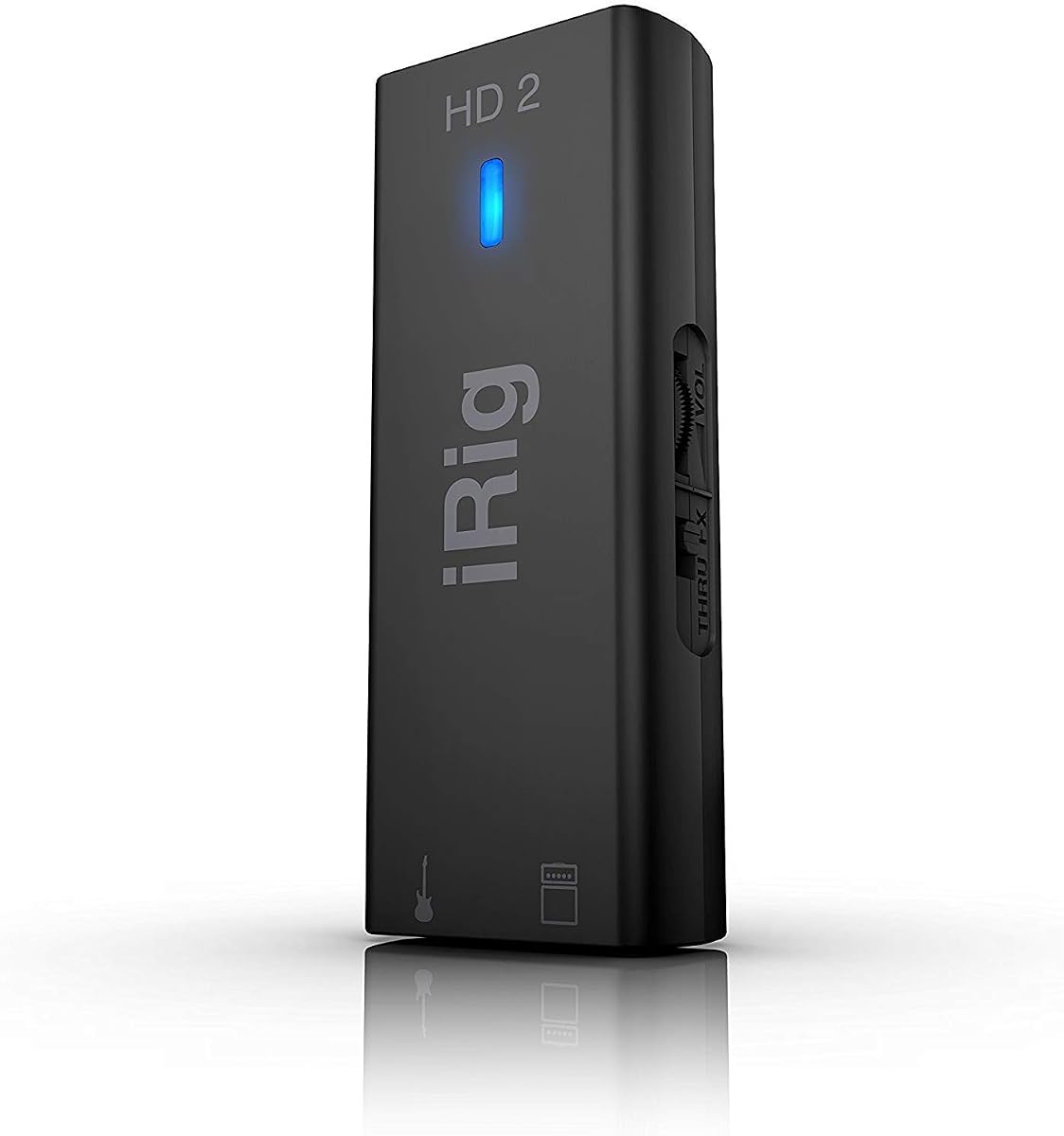
The IK Multimedia iRig HD 2 is a high-definition interface that delivers distortion-free results. It features the highest sampling rate in its class at 96kHz for pristine capture.
We may earn a commission when you buy through this link, at no additional cost to you.
It connects easily to iPhone iPad and PC with Lightning and USB cables included. The 1/4 Amp Out jack allows you to use line-level signals from synthesizers too.
You can unlock exclusive content inside amplitude apps for iOS and PC versions. Its lightweight construction allows for portability making it easy to fit in your bag.
This interface is ideal for serious mobile recording without sacrificing performance. It is a high-quality guitar preamp designed to deliver results you admire.
The 96kHz sampling rate ensures the highest fidelity in its class for detailed recordings.
Unlock exclusive content inside amplitude iOS and mac versions for more production tools.
We may earn a commission when you buy through this link, at no additional cost to you.
The Fender Quantum HD 2 is a premium interface built for serious studio production needs. It features ultra-high-fidelity 20 x 24 USB-C audio interface capabilities with MAX-HD preamps.
We may earn a commission when you buy through this link, at no additional cost to you.
High-performance 32-bit/192 kHz converters ensure professional clarity for musicians and creators. The Auto Gain button instantly sets perfect levels for fast frustration-free recording sessions.
It includes ADAT expansion and S/PDIF I/O to add sixteen digital inputs for growth. The re-amp outputs let you explore new tones with external amps and pedals.
This interface is ideal for advanced producers needing expandable gear. It includes a perpetual license for Fender Studio Pro to master your tracks professionally.
The Auto Gain button instantly sets perfect recording levels for fast and easy sessions.
Dual re-amp outputs allow you to explore new tones with amps and external gear easily.
We may earn a commission when you buy through this link, at no additional cost to you.
Selecting the right audio interface requires understanding your recording needs and budget. We break down the key factors to help you make an informed decision.
Connectivity is crucial for matching your interface to your devices. Ensure you have the right ports like USB-C or Lightning to avoid adapter issues during recording sessions.
Choose a model with compatible ports for your computer and mobile devices to streamline your workflow.
Higher sample rates like 192kHz offer more detail but require more processing power. Most home studios perform well with 44.1kHz or 48kHz for standard music production.
Look for 24-bit depth to ensure a wide dynamic range and low noise floor in your recordings.
Check if the interface has the correct inputs for your gear. Hi-Z instrument inputs are essential for guitars to preserve signal quality without tone loss.
A combo XLR jack allows you to add a microphone later for vocals or voiceovers.
Zero-latency monitoring lets you hear your playing in real time without delay. This feature is vital for comfortable performance and accurate timing during tracks.
Select an interface with a dedicated hardware monitor mix for seamless control over levels.
Many interfaces come with free software like DAWs and plugin packs. These bundles can save you money and get you started on recording immediately without extra costs.
Verify if the included software matches your needs before making your purchase decision.
If you travel or record on the go consider a compact design. A durable chassis ensures the interface survives transport and protects your audio signal.
Look for models that are lightweight yet sturdy for long-term reliability in any setting.
Determine your budget range and find the best value within it. Budget interfaces offer solid performance while premium ones provide advanced features and expandability.
Balance cost with necessary features to avoid overpaying for capabilities you do not need.
A solid warranty provides peace of mind against manufacturing faults. Brands like Focusrite and Arturia offer extensive coverage for hardware protection.
Check customer support availability before buying to ensure help is accessible when you need it.
Always connect your interface to the computer before launching your recording software to ensure drivers load correctly. Use the included cables rather than third-party ones to avoid connection instability.
Set your gain levels carefully by checking for clipping indicators before you record. Adjust the volume until your loudest playing does not trigger distortion or red lights on the interface.
Keep your unit in a dry environment and avoid placing drinks nearby. Periodically clean the ports with compressed air to remove dust that can cause connectivity issues over time.
While you can use a sound card an interface offers better quality and low latency. It provides dedicated inputs for your instrument and prevents signal loss during recording sessions.
USB-C is a reversible connector common on modern Macs and Android devices. Lightning is proprietary to Apple devices and older iPhones so check your device before buying.
Yes many interfaces support mobile devices via OTG adapters. Ensure your phone supports external audio input to record directly from your guitar.
Phantom power supplies electricity to condenser microphones. If you plan to record vocals or acoustic instruments with a condenser mic you will need this feature.
Use an interface with a direct monitoring feature to hear yourself without delay. This bypasses the software processing chain for immediate audio feedback through headphones.
Most include free DAWs like Ableton Live Lite or Pro Tools Intro. Always check the specific bundle for your model to see which production tools are included.
Interfaces with multiple inputs allow you to record a guitar and bass simultaneously. Ensure the model supports Hi-Z inputs for all instrument channels to maintain tone.
If you need high sample rates or expansion like ADAT a premium unit helps. Beginners may find budget models sufficient for their initial recording projects and goals.
We explored ten excellent audio interfaces that cater to different recording needs and budgets. The Focusrite Scarlett Solo and JOYO MOMIX CAB offer reliable quality for most musicians today.
Prioritize connectivity and latency features that match your workflow to ensure a smooth experience. Your choice should support your goals whether that is streaming or studio production.
Prices fluctuate frequently so verify current listings and deals before finalizing your purchase. Take the time to compare specs to find the perfect fit for your guitar sound.