
ASUS Vivobook Go 15
3.9Editor score
Affordable entry-level price
15.6 inch FHD display
Long all-day battery life
Students need reliable laptops that handle coursework, research, and entertainment. A good choice balances performance with portability and price. We analyzed the latest ASUS models to find top options.
Our team evaluated ten current ASUS laptops based on processor power, memory, storage, and display quality. We also considered battery life, build durability, and connectivity ports for campus use.
Each pick highlights specific strengths for different student needs and budgets. Note that prices fluctuate often, so verify current deals before buying. This guide helps you find the right fit.
3.9Editor score

4.4Editor score

4.5Editor score
As an Amazon Associate we earn from qualifying purchases.
This side-by-side table compares all ten selected ASUS laptops. Look at processor, RAM, storage, display size, and key features to decide which matches your study needs and budget.
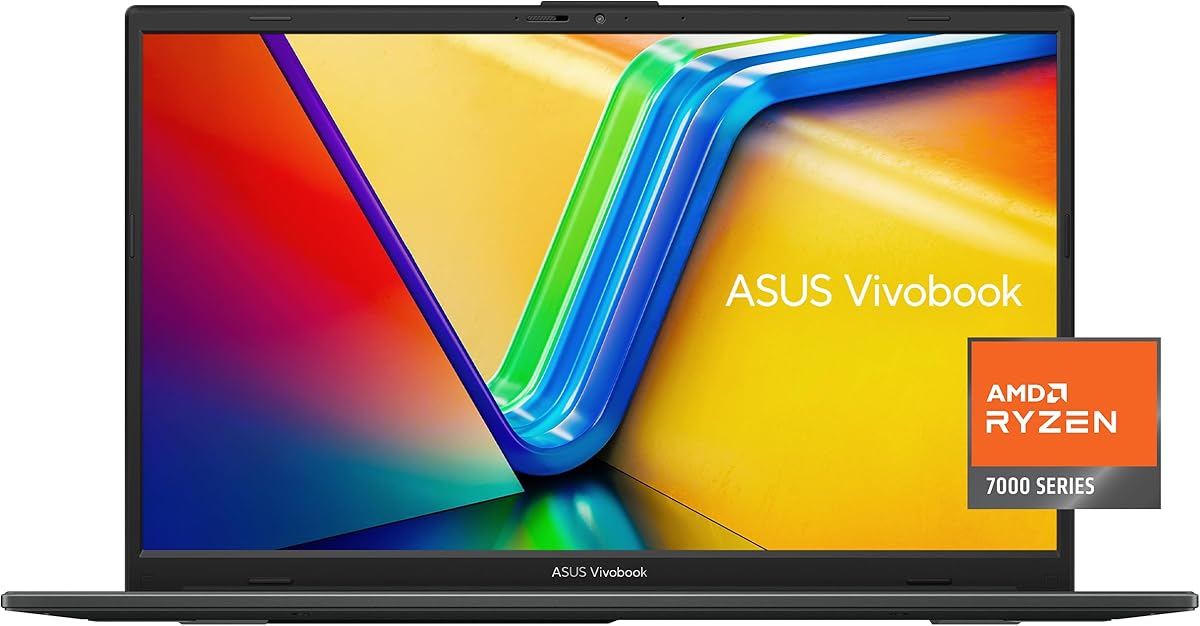


This ASUS Vivobook Go 15 offers solid everyday performance for students needing a reliable machine. With a 4.3 rating, it balances budget pricing with capable AMD Ryzen 3 processing power.
We may earn a commission when you buy through this link, at no additional cost to you.
The 8GB DDR5 RAM ensures smooth multitasking between browser tabs and office apps. Its slim design and military grade durability make it ideal for daily campus commutes and study sessions.
Storage is limited to 128GB, which may require cloud expansion for large media files. Brightness is modest at 250 nits, so outdoor use might be challenging in direct sunlight.
Best for budget-conscious students prioritizing portability and basic productivity. It handles assignments and streaming well without breaking the bank.
The AMD Ryzen 3 7320U delivers efficient performance for word processing and web browsing without draining battery life.
Military grade standards ensure the chassis can withstand bumps and drops common in student life.
We may earn a commission when you buy through this link, at no additional cost to you.
This model improves on the previous with a Ryzen 5 CPU and larger storage. It maintains the slim profile while offering faster performance for heavier workloads.
We may earn a commission when you buy through this link, at no additional cost to you.
Students benefit from the 512GB SSD storing more projects locally. The fast charging feature ensures you are back to 50% capacity in just half an hour.
The lack of keyboard backlight limits usability in dark dorm rooms. RAM remains fixed at 8GB, so memory-heavy apps might slow down over time.
Ideal for students needing more storage without a huge price jump. It supports fast connectivity and clear calls during online classes.
Wi-Fi 6E provides stable and fast internet connections essential for video streaming and cloud syncing.
Rapid charging capability reduces downtime during long study days away from outlets.
We may earn a commission when you buy through this link, at no additional cost to you.
This laptop stands out with a Snapdragon X processor designed for AI and efficiency. Its 4.8 rating reflects strong performance and modern features for forward-thinking students.
We may earn a commission when you buy through this link, at no additional cost to you.
The 16GB RAM supports smooth multitasking, while the 14-inch WUXGA screen offers sharp visuals. It runs Windows 11 Home with built-in Copilot+ capabilities for productivity.
Compatibility with some older x86 apps can be tricky on ARM chips. Windows on ARM optimization varies, so check software requirements before buying.
Perfect for tech-savvy students wanting long battery life and AI tools. It handles daily tasks with ease while staying cool and quiet.
Copilot+ PC integration brings advanced tools to streamline workflows and creativity.
Efficient architecture ensures lasting power through lectures and library sessions.
We may earn a commission when you buy through this link, at no additional cost to you.
This entry-level option provides essential computing at a very low price. It is best for basic writing and browsing where heavy multitasking isn't required.
We may earn a commission when you buy through this link, at no additional cost to you.
The Intel Celeron processor handles light tasks well. Fast charging via USB-C helps keep the device ready for class quickly without long waits.
Only 4GB RAM limits simultaneous app usage. Heavy users might experience slowdowns when many tabs are open.
Best for strict budgets and light users. It gets the job done for essential schoolwork without cost.
Designed to provide necessary computing tools for students with limited funds.
Includes HDMI and USB-C for easy connection to projectors and chargers.
We may earn a commission when you buy through this link, at no additional cost to you.
Winner of Editor's Choice, this laptop combines screen size and performance. It handles research, writing, and media without lag while maintaining a premium feel.
We may earn a commission when you buy through this link, at no additional cost to you.
The Snapdragon X processor and 16GB RAM deliver speed and efficiency. The 16-inch WUXGA display provides ample workspace for documents and spreadsheets.
Portability suffers slightly due to the 16-inch chassis compared to smaller 14-inch models. Power usage can drain battery faster during intensive creative tasks.
Perfect for students needing a large workspace and power. It balances modern tech with practical everyday utility.
The 16-inch WUXGA screen offers vibrant colors and crisp details for visual work.
Snapdragon X architecture delivers strong performance while managing energy consumption effectively.
We may earn a commission when you buy through this link, at no additional cost to you.
This model offers enterprise features suitable for ambitious students. It includes a docking hub for easy multi-monitor setups and has robust security options.
We may earn a commission when you buy through this link, at no additional cost to you.
The Intel Core 5 processor ensures smooth performance. 1TB storage means no worry about running out of space for large files.
The included dock increases bulk slightly. Windows 11 Pro is good but may need management for student discounts.
Best for students needing extra connectivity and storage. It bridges the gap between school and professional work.
The included PLUSERA hub allows seamless connection to peripherals and external monitors.
1TB SSD provides ample room for multimedia projects and extensive archives.
We may earn a commission when you buy through this link, at no additional cost to you.
A reliable mid-range choice with balanced specs for general study. It uses the efficient Intel Core 5 processor to handle daily academic tasks smoothly.
We may earn a commission when you buy through this link, at no additional cost to you.
With 16GB RAM, it manages multiple apps easily. The 512GB SSD offers quick boot times and sufficient space for school files.
Refresh rate is standard 60Hz, which is adequate for work but not gaming. Battery life varies based on screen brightness and usage intensity.
Ideal for students wanting a balanced setup without premium costs. It provides stability and reliability for coursework.
Core 5 architecture delivers steady speeds for productivity and media consumption.
Wi-Fi 6 ensures fast internet speeds for research and video calls.
We may earn a commission when you buy through this link, at no additional cost to you.
This premium bundle offers desktop-class power for demanding majors like engineering or data science. It includes a specialized cooler to maintain performance during intense tasks.
We may earn a commission when you buy through this link, at no additional cost to you.
The i9 processor and 32GB RAM handle simulations and heavy multitasking effortlessly. Security features like fingerprint login add convenience.
Heat management is handled by the external cooler, adding bulk when needed. It is priced higher but justifies cost for power users.
Best for students running resource-heavy software. It delivers elite performance with robust security.
Core i9 ensures complex simulations compile quickly without throttling.
Included PCO Cooler prevents overheating during long rendering sessions.
We may earn a commission when you buy through this link, at no additional cost to you.
This laptop targets creators with AMD's advanced AI capabilities. It excels at content creation and AI-driven tasks thanks to its dedicated XDNA NPU.
We may earn a commission when you buy through this link, at no additional cost to you.
16GB RAM and strong graphics support smooth editing. The 14-inch WUXGA screen offers vibrant visuals suitable for design work.
Some features rely on future Windows updates. Gaming performance is decent but not top-tier for AAA titles.
Perfect for students focused on creative and AI applications. It balances power with portability effectively.
Dedicated NPU speeds up AI tasks like transcription and image generation.
WUXGA display delivers sharp and colorful visuals for media work.
We may earn a commission when you buy through this link, at no additional cost to you.
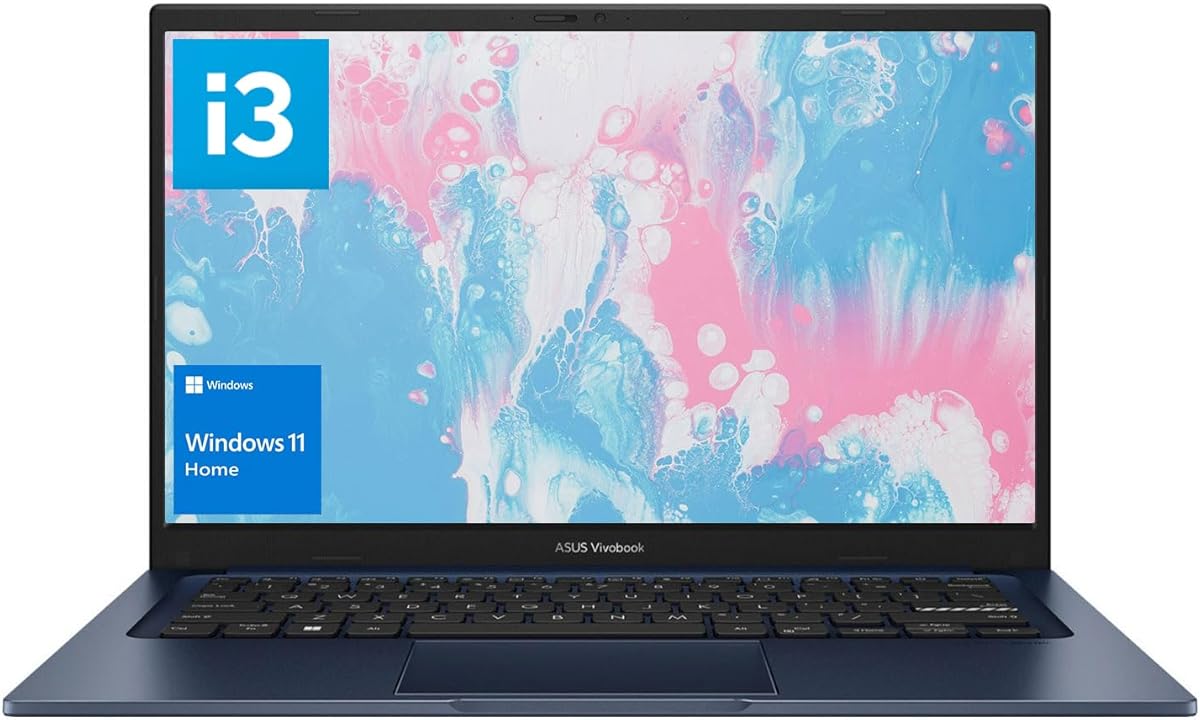
This model offers high RAM and storage at a lower cost. It uses an i3 processor to balance budget and usability for basic students.
We may earn a commission when you buy through this link, at no additional cost to you.
16GB RAM allows multiple apps to run without constant reloading. The 512GB SSD ensures quick startup and file access.
Screen resolution is limited to FHD. Not ideal for high-end graphic design but great for standard school work.
Best for students needing large memory on a budget. It handles daily tasks with ease.
16GB RAM at this price point is rare and boosts multitasking.
Wi-Fi 6 ensures fast web access for research and streaming.
We may earn a commission when you buy through this link, at no additional cost to you.
Selecting the right laptop requires balancing budget, performance, and portability. Consider these essential factors to match your specific study needs.
Processor speed determines how fast your laptop can run apps. AMD Ryzen 5 or Intel Core 5 offers good balance. Avoid Celeron for heavy multitasking.
Prioritize at least Ryzen 5 or Core 5 for smooth performance in academic tasks.
RAM affects how many apps run simultaneously. 8GB is minimal; 16GB is ideal for students. It prevents lag when switching between browsers and documents.
Choose 16GB RAM if possible to future-proof your device for demanding software.
SSDs load files faster than traditional drives. 128GB is tight; 512GB is comfortable for school files. Consider expandable storage options if needed.
Aim for at least 512GB SSD storage to store assignments and media locally.
Display quality impacts readability. 14 inches is portable; 15 or 16 provides more space. Look for FHD resolution to prevent eye strain.
Select 15-inch or larger screens if you need more workspace for documents and charts.
Long battery life ensures productivity on campus. Look for fast charging features. Aim for models rated 8 hours or more for all-day usage.
Prioritize battery longevity and fast charging to avoid interruptions during lectures.
Lightweight laptops are easier to carry daily. Look for slim designs under 4 lbs. Durability features like military grade chassis add value.
Choose lightweight models for easy commuting and travel between classes.
Ensure enough USB and HDMI ports for peripherals. USB-C supports modern charging. Wi-Fi 6 ensures stable internet on campus networks.
Check for diverse ports to avoid needing extra dongles for presentations.
Budget determines available specs. Entry-level options save money; premium ones offer speed. Balance cost against your specific workload needs.
Invest in specs that match your major requirements to avoid overpaying or underbuying.
Start by setting up Windows and enabling security features like biometric login. This protects your academic data from unauthorized access immediately.
Keep the device cool by using it on flat surfaces. Regularly clean vents and avoid blocking airflow to maintain optimal performance and longevity.
Back up important files to cloud storage daily. This safeguards your work against unexpected hardware failures and ensures continuity during critical deadlines.
Engineering students need high performance. The ASUS Vivobook 15 with Intel Core i9 and 32GB RAM handles simulations. It supports heavy CAD software and multitasking.
Yes, Vivobook Go series offers affordability. They provide essential specs without high costs. Look for Ryzen 3 or Celeron models for basic coursework.
Most modern Vivobook models offer solid endurance. Expect 6 to 9 hours of use depending on brightness. Fast charging helps extend usage time between breaks.
Vivobook focuses on value and productivity for students. Zenbook targets premium users with higher build quality. Vivobook is typically more affordable for academic needs.
It depends on the model. Some have soldered RAM that cannot be changed. Check specs carefully before buying to ensure 16GB is sufficient for your needs.
Windows 11 Home covers standard needs well. It supports all common educational apps. Pro versions add business features that are rarely necessary for students.
We reviewed ten ASUS laptops covering all budget levels. The Vivobook 16 stands out for general use. Premium and budget picks offer specific strengths for varied needs.
Prioritize RAM and storage for long-term usability. A balance between performance and weight ensures you carry the device daily without fatigue or slowdowns.
Prices change often, so always check current deals before buying. Verify shipping costs and warranty terms to ensure you get the best value for your investment.