
KARDIAMOBILEKardiaMobile
4.4Editor score
Simple to use without subscription
Finger sensor placement
30-second heart rhythm check
This guide compares the top heart rate monitor for arrhythmia options available in 2026 to help you choose the right device for your heart health needs.
Finding a reliable heart rate monitor for arrhythmia is crucial for anyone concerned about their cardiovascular health. These devices provide essential data that can help detect irregular rhythms early and keep your doctor informed about your condition.
We evaluated ten leading models based on accuracy, ease of use, and features like EKG capabilities and app integration. Each product was selected for its ability to deliver trustworthy readings that align with clinical standards for heart rhythm analysis.
Every pick in this list highlights key strengths and limitations to guide your decision. Please note that pricing and availability may change, so verify current details before purchasing to ensure you get the best value for your specific needs.
4.4Editor score

4.4Editor score

3.6Editor score
Below you will find a side-by-side comparison of all ten products included in this guide. Each entry summarizes the core specifications to help you quickly identify which device meets your specific requirements for monitoring heart rhythm irregularities.





The KardiaMobile 6L EKG stands out as the leading choice for individuals seeking a reliable heart rate monitor for arrhythmia. With a strong rating of 4.4 stars, this device offers medical-grade six-lead EKG recordings that provide detailed insights into your heart rhythm within just 30 seconds.
We may earn a commission when you buy through this link, at no additional cost to you.
Its key strengths lie in its FDA-cleared ability to detect conditions like AFib, Bradycardia, and Tachycardia directly on your smartphone. The device does not require a subscription, making it an accessible option for ongoing monitoring without recurring costs. You can share results instantly with healthcare providers via email.
While highly accurate, the device does require firm skin contact with the sensors, which might be slightly cumbersome during certain activities. Additionally, it is not recommended for users with pacemakers or implantable cardioverter defibrillators. These limitations are acceptable given the high quality of data provided for general rhythm monitoring.
This device is ideal for health-conscious users who want professional-grade EKG data at home without committing to a subscription service. If you need a trusted tool to track potential heart rhythm irregularities and share them with your doctor, the KardiaMobile 6L EKG is the top recommendation.
The six-lead EKG capability provides significantly more data points than standard two-lead monitors, allowing for a more comprehensive view of your heart's electrical activity and better detection of specific arrhythmias.
Unlike many competitors that lock features behind a paywall, this device allows unlimited recordings and rhythm determinations without any monthly fees, ensuring long-term affordability for continuous health tracking.
We may earn a commission when you buy through this link, at no additional cost to you.
The KARDIAMOBILEKardiaMobile offers an entry-level solution for those needing a heart rate monitor for arrhythmia without breaking the bank. Maintaining the same high rating of 4.4 stars as its more advanced sibling, it simplifies the process by eliminating the need for Bluetooth, Wi-Fi, or cords.
We may earn a commission when you buy through this link, at no additional cost to you.
Its primary strength is simplicity. You place your fingers on the silver sensors near your smartphone to get a heart rhythm check in 30 seconds. This lack of connectivity requirements reduces potential technical glitches and makes it incredibly easy to use for any age group.
However, it lacks the six-lead capability of other models and does not offer the same depth of data sharing or detailed app integration. For users who only need basic rhythm checks to confirm normalcy or flag issues before a doctor visit, these trade-offs are minor.
This model is perfect for users on a tight budget who prioritize ease of use over advanced features. If you want a straightforward, reliable tool to check your heart rhythm periodically without worrying about subscriptions or complex setups, this device is an excellent choice.
By removing the need for Bluetooth pairing or app downloads to function, this device ensures that you can take a reading instantly whenever you suspect an irregularity, reducing friction in daily health monitoring.
Providing FDA-cleared rhythm determination at a lower price point makes this device accessible to a wider audience, ensuring that essential heart health checks are available to everyone regardless of financial constraints.
We may earn a commission when you buy through this link, at no additional cost to you.
The KardiaMobile 6L Max elevates the monitoring experience by including a one-year membership to KardiaCare, offering professional-level support alongside hardware precision. With a rating of 3.9 stars, it provides access to board-certified cardiologist reviews, adding a layer of medical validation to your home data.
We may earn a commission when you buy through this link, at no additional cost to you.
Its standout feature is the ability to have your detailed six-lead EKGs reviewed by a cardiologist within 24 hours, with up to four free reviews included in the membership. This ensures that any detected irregularities are interpreted by a medical professional, giving you peace of mind and actionable insights.
The main drawback is the reliance on the subscription after the first year, which adds to the long-term cost. While the membership renews automatically, users must cancel if they wish to stop charges. Additionally, the initial price is higher than the standalone devices due to the included service.
This device is best for users who want not just data but expert interpretation of that data. If you prefer having a cardiologist review your rhythm history regularly and potentially access telehealth appointments, this premium bundle offers the most comprehensive care package available.
Access to board-certified cardiologist reviews transforms raw data into medically actionable insights, allowing you to discuss specific arrhythmia patterns with a professional without needing an immediate office visit.
The ability to schedule telehealth appointments directly through the service bridges the gap between home monitoring and professional care, enabling timely interventions if serious rhythm issues are detected.
We may earn a commission when you buy through this link, at no additional cost to you.
The EMAY 6L Portable ECG Monitor is a strong contender with a 4.6 rating, offering six-channel recording capabilities similar to medical devices. It distinguishes itself by allowing connection to both smartphones via Bluetooth and PCs via USB, providing flexibility in how you analyze your data.
We may earn a commission when you buy through this link, at no additional cost to you.
Its key advantage is the comprehensive software suite that allows for sample mode, time setting, and case reviews on a computer. This is beneficial for users who prefer managing their health data on a larger screen or want detailed graphs and statistics for their doctor.
However, the PC connectivity might require more setup effort compared to app-only devices. Some users might find the software interface less polished than those from major brands. These minor inconveniences do not detract from the device's core ability to deliver accurate, subscription-free recordings.
This device is ideal for tech-savvy users who want detailed control over their ECG analysis without recurring fees. If you value the ability to review your heart data on a computer and need a reliable portable tool, the EMAY 6L offers excellent value and functionality.
The ability to connect to a PC opens up advanced analysis features and allows for easier storage and management of large amounts of historical heart rhythm data.
With no subscription or hidden costs, the EMAY ensures that you can monitor your heart indefinitely without worrying about future billing, making it a great long-term investment.
We may earn a commission when you buy through this link, at no additional cost to you.
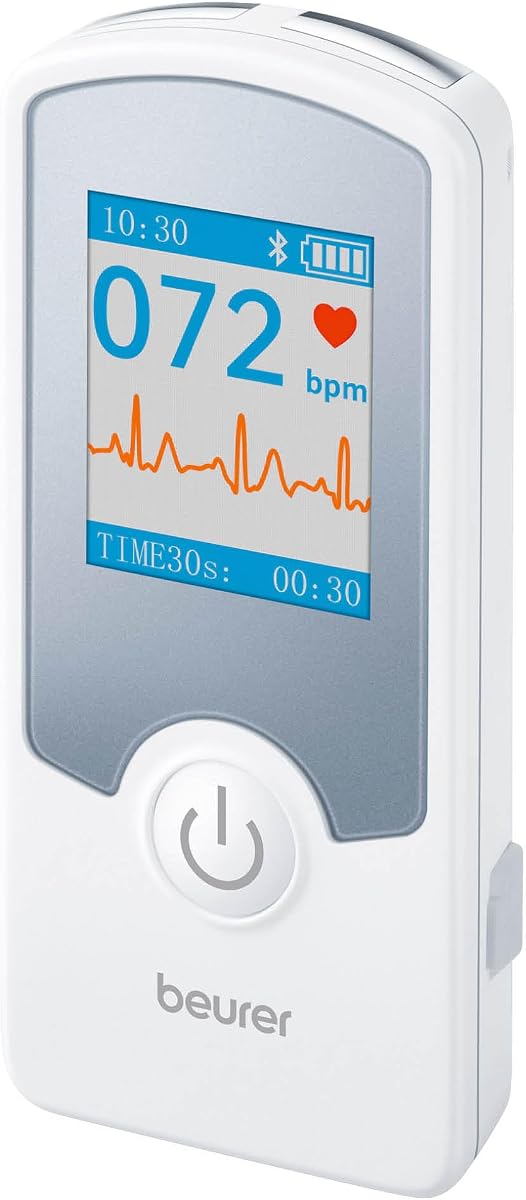
The Beurer Cardio Companion EKG brings German engineering precision to your heart monitoring with a compact, portable design rated at 4.2 stars. It features a bright color display that shows real-time results, eliminating the need to immediately check a phone app if you just need a quick reading.
We may earn a commission when you buy through this link, at no additional cost to you.
Its versatility shines in the four ways you can measure your heart rate, allowing for hand-to-hand, hand-to-wrist, leg, or chest positioning. This flexibility ensures you can capture accurate readings even if your hands are not optimal for contact. The device stores up to 100 readings locally.
A notable constraint is that skin-to-skin contact during measurement can affect accuracy, so care must be taken when positioning the device. While Bluetooth sync is available, it is optional, meaning data retention is limited to local storage if you choose not to use the app.
This monitor is perfect for users who want a standalone device with an easy-to-read screen rather than relying entirely on a smartphone. If you prefer a traditional medical device experience with modern rechargeability and portability, the Beurer Cardio Companion is a reliable and precise choice.
Having results directly on the device allows for immediate feedback without needing to wait for app connectivity, which is useful when your phone is nearby or out of battery.
The flexibility to measure using different body parts ensures that you can get a clear reading even if your hands are cold or wet, improving the likelihood of success.
We may earn a commission when you buy through this link, at no additional cost to you.
The Bioheart Continuous Heart Monitor stands out by offering 24/7 continuous monitoring rather than spot checks, which is critical for catching intermittent arrhythmias. Rated at 3.6 stars, it uses a comfortable chest strap that provides medical-grade insights without needing a prescription for access.
We may earn a commission when you buy through this link, at no additional cost to you.
Its primary benefit is the ability to track trends over time, capturing events that happen during sleep or exercise that brief checks would miss. The breathable, washable fabric ensures it is comfortable enough for all-day wear, and the 48-hour battery life supports extended tracking sessions without interruption.
The device relies on a subscription model for full functionality, which adds to the cost. While the initial subscription is included, ongoing use requires renewal. Additionally, the lower rating suggests some users may have experienced connectivity or fit issues, though it remains a leader in continuous monitoring technology.
This is the ideal choice for patients who suspect intermittent heart irregularities that occur unpredictably. If you need to know what your heart is doing throughout the entire day and night, the Bioheart provides the uninterrupted data necessary for a thorough medical diagnosis.
Continuous monitoring ensures that rare or random arrhythmias are not missed, providing a complete picture of heart health that spot-check devices cannot offer.
The breathable fabric strap design makes it possible to wear the monitor for long periods without discomfort, increasing the likelihood of consistent and reliable data collection.
We may earn a commission when you buy through this link, at no additional cost to you.
The HaSoCare Personal Heart Rate Monitor is a lightweight, user-friendly device rated at 4.0 stars, featuring an LCD screen for instant visual results. It supports multiple monitoring modes including hand-to-hand, hand-to-chest, and hand-to-leg, providing flexibility in how you test your heart rhythm.
We may earn a commission when you buy through this link, at no additional cost to you.
Its strengths include onboard storage and seamless sync with PCs and smartphones via Bluetooth or cable. This allows you to build a history of readings and share them with doctors easily. The device is notably lightweight at 60 grams, making it easy to carry in a pocket or bag.
On the downside, the LCD interface is basic compared to high-end smartphone apps, and build quality can vary between units. Some users report that the device is less durable than premium brands. However, these factors are minor for the price point and core functionality offered.
This monitor is suitable for users who want a simple, no-frills device that provides clear results on a screen without needing to look at a phone. If you need a portable tool for regular heart checks with the option to save data, the HaSoCare is a practical and affordable option.
The LCD screen provides immediate feedback on your heart rate and rhythm, allowing you to verify your health status in seconds without connecting to another device.
Supporting multiple measurement modes ensures that you can get a clear reading regardless of your physical posture or hand position, improving accuracy.
We may earn a commission when you buy through this link, at no additional cost to you.
The Garmin HRM 200 is a durable chest strap designed for accurate real-time heart rate tracking, rated at 4.3 stars. While it focuses on fitness metrics like heart rate variability, it remains a useful tool for users who already use Garmin devices and want seamless data integration into their apps.
We may earn a commission when you buy through this link, at no additional cost to you.
Its key advantages include a 1-year battery life and a machine-washable strap, which are rare features for heart rate monitors. The 3 ATM water rating ensures it withstands sweat and rain, making it ideal for intense workouts where continuous monitoring is needed.
However, it does not offer clinical arrhythmia diagnosis and may not capture the detailed EKG data needed for medical analysis. The chest strap design might be uncomfortable for some users compared to optical armbands. These limitations are acceptable for fitness tracking but limit its utility for medical heart health checks.
This device is best for active individuals who need reliable heart rate data during exercise and want to track trends over time. If you are already in the Garmin ecosystem and need a durable strap for workouts, this is a solid and long-lasting investment.
A user-replaceable battery that lasts up to a year reduces maintenance needs, allowing you to focus on training without worrying about frequent recharging.
The ability to machine wash the strap ensures hygiene and longevity, which is essential for a device worn close to the skin during heavy physical exertion.
We may earn a commission when you buy through this link, at no additional cost to you.
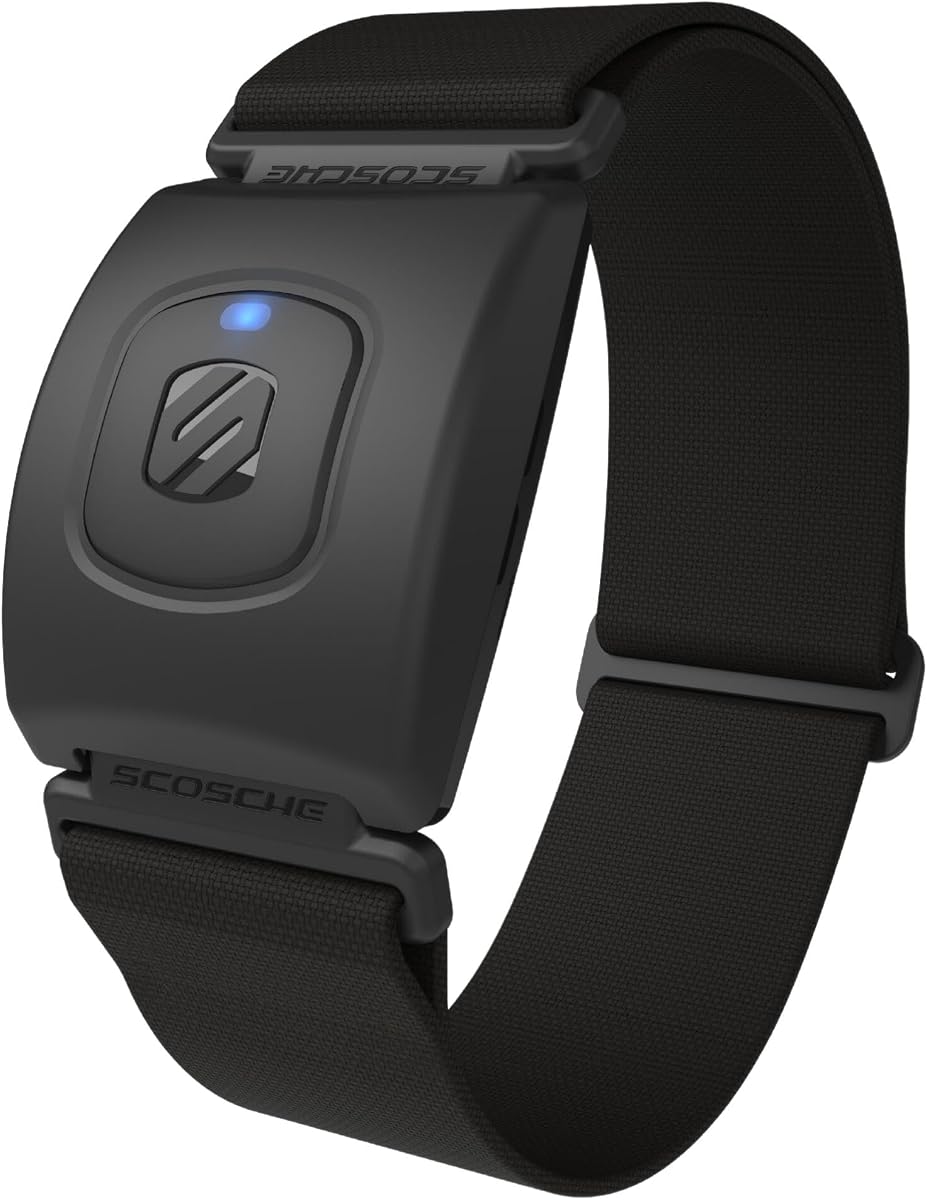
The Scosche Rhythm Armband offers a comfortable optical alternative to chest straps, rated at 4.1 stars. It uses advanced sensors to track heart rate variability and rhythm trends, making it a strong companion for fitness enthusiasts who want continuous data during workouts without the discomfort of a chest band.
We may earn a commission when you buy through this link, at no additional cost to you.
Its standout features include a 24-hour battery life and IP68 waterproof rating, ensuring it can handle sweat, rain, and extended use. The ability to stream RR interval data to specialized HRV apps provides deeper insights into recovery and stress levels, which is valuable for overall heart health management.
While accurate for exercise, optical sensors may not provide the same clinical precision as EKG-based devices for diagnosing arrhythmias. Additionally, it focuses more on performance metrics than medical diagnosis. These trade-offs are acceptable for training but should be noted for clinical monitoring.
This device is ideal for athletes and active individuals who want a comfortable, long-lasting monitor for tracking heart performance and recovery. If you prioritize comfort during high-intensity sessions and need robust data logging, the Scosche Rhythm is a reliable and durable choice.
The ability to capture precise RR interval data allows for detailed analysis of heart rate variability, offering insights into your body's recovery and stress levels.
The IP68 rating ensures the device remains functional and accurate even in wet conditions, making it versatile for all types of outdoor and indoor workouts.
We may earn a commission when you buy through this link, at no additional cost to you.
The Polar Ft1 Heart Rate Monitor is a classic device rated at 4.0 stars, designed for simple and effective tracking. It displays heart rate on a large, easy-to-read display and helps users exercise safely within their target zones using manual heart rate settings.
We may earn a commission when you buy through this link, at no additional cost to you.
Its main strengths lie in its simplicity and reliability. The coded transmission ensures that your data does not interfere with other devices during group training. The included T31 coded transmitter provides a comfortable fit and accurate readings during physical activity.
However, it is a more basic model compared to modern smart watches or advanced EKG monitors. It lacks advanced analytics and connectivity options like Bluetooth sync to modern apps. For users who need just heart rate feedback without complex data features, this is a practical choice.
This monitor is best for users who want a straightforward device to track heart rate during exercise without the distraction of notifications or complex interfaces. If you need a reliable tool to ensure you stay within your training zones, the Polar Ft1 delivers consistent performance.
The one-button start and clear display make it easy to check your heart rate quickly, reducing complexity for users who prefer a straightforward approach.
Coded transmission ensures that your heart rate data is exclusive to your device, preventing cross-talk from other nearby monitors and ensuring accurate readings.
We may earn a commission when you buy through this link, at no additional cost to you.
Choosing the right heart rate monitor for arrhythmia requires understanding the specific features that matter for your health needs. The following factors will help you narrow down the options to find a device that offers the best balance of accuracy and usability.
The type of technology used is critical for arrhythmia detection. EKG-based monitors provide electrical heart activity data similar to clinical devices, offering higher accuracy for detecting irregularities like AFib compared to optical sensors which are better suited for fitness tracking.
Look for FDA-cleared devices that specifically mention rhythm detection to ensure the tool provides reliable medical-grade insights rather than just heart rate numbers.
Many modern heart health devices offer premium features behind subscription walls. While some subscriptions provide valuable services like cardiologist reviews, they add ongoing costs. Determine whether you are comfortable with recurring fees or prefer a one-time purchase.
Prioritize models that allow core functionality without a subscription if you want a more cost-effective long-term solution for regular monitoring.
Your ability to share data with healthcare providers is essential for effective monitoring. Devices that support email sharing or direct app integration make it easier to send reports to your doctor without manual entry or physical media.
Ensure the device connects easily to your smartphone or computer and offers secure, reliable data transfer options that fit your tech comfort level.
Accuracy depends heavily on correct usage. Consider how intuitive the device is to operate; for example, those that require finger placement on sensors should provide clear guidance to ensure good skin contact for valid readings.
Choose a model that matches your dexterity and technical comfort, as a device that is too complex may result in inconsistent or incorrect data collection.
Different form factors suit different lifestyles. Handheld EKG units are great for quick checks but require active interaction, while chest strap or armband monitors allow for passive continuous tracking during sleep or exercise.
Select a form factor that aligns with your monitoring needs whether you want quick spot checks or continuous data capture throughout your day.
Battery life determines how often you need to recharge or replace batteries, which can interrupt data collection. Continuous monitors often need frequent charging compared to handheld devices that are used only occasionally.
Check the battery specifications to ensure the device can last long enough for your intended usage without constant maintenance interruptions.
The device must work with your existing ecosystem. Some monitors are limited to specific smartphones or apps, so verify that the product supports your phone's operating system and preferred health apps.
Confirm compatibility details before purchasing to avoid issues with data syncing or device functionality that could render the monitor useless for your needs.
Choosing a device recommended by doctors or cardiologists often indicates higher reliability and accuracy. Brands that have partnerships with healthcare providers are more likely to be accepted by your medical team.
Look for models that are trusted by professionals and have been cleared for clinical use to ensure your results are meaningful and actionable.
To get accurate readings, always follow the manufacturer's instructions for skin contact and positioning. For handheld EKG devices, ensure your fingers or hands are dry and clean before touching the sensors to prevent interference that could skew the results.
Keep your device clean and store it in a cool, dry place when not in use. Avoid exposing the device to extreme temperatures or moisture unless it is specifically rated as waterproof, as this can damage internal components and reduce accuracy.
Regularly charge your device or replace batteries as needed to avoid missing data during critical moments. Check for software updates for companion apps to ensure you have access to the latest features and security patches.
While these devices can detect irregularities, they are not diagnostic tools in the same way a hospital ECG is. They provide data that you can share with a healthcare provider who will interpret the results and make a medical diagnosis.
Most personal heart rate monitors for arrhythmia do not require a prescription. They are available over-the-counter and designed for consumer use to track and manage heart health at home.
The frequency depends on your specific health needs and doctor's recommendations. Some users check daily, while others monitor only when symptoms occur. Continuous monitors offer automated tracking without manual input.
A chest strap measures heart rate using electrical signals for fitness tracking, while an EKG monitor records electrical activity to identify rhythm irregularities. EKG monitors are more suitable for detecting conditions like AFib.
Most devices are safe for general users but may not be suitable for people with pacemakers or implantable cardioverter defibrillators. Always consult your doctor before using an EKG device if you have an implanted medical device.
Yes, many devices allow you to export data via email or app integration. Always verify the data format to ensure your doctor can open and interpret the files correctly during your appointments.
In summary, the KardiaMobile 6L EKG, KARDIAMOBILEKardiaMobile, and Bioheart offer top solutions for different needs. Each device provides unique benefits ranging from professional-grade EKGs to continuous monitoring capabilities.
When selecting a device, prioritize the features that matter most to your health goals such as subscription-free operation, professional reviews, or continuous tracking. Matching the right tool to your lifestyle will ensure you get the most out of your heart health management.
Remember that prices and availability can change over time, so verify current details before making a purchase. Taking the time to choose the right monitor can provide peace of mind and better insights into your heart rhythm.