
Berkeley Varitronics Octopus 4G LTE
4.6Editor score
True RSRP RSRQ and RSSI measurements
No SIM cards or subscriptions required
Designed for EV stations and boosters
Finding the right cellular signal meter for antenna aiming is crucial for installing boosters and outdoor antennas. These tools provide real-time feedback to ensure optimal placement and maximum signal strength for reliable communication.
We evaluated ten professional and consumer-grade meters based on frequency range, accuracy, portability, and ease of use. Our comparison covers devices suitable for everything from simple antenna alignment to complex RF spectrum analysis in field environments.
Each pick highlights key features, pros, cons, and ideal use cases to help you choose the right tool. Note that prices and availability change frequently, so verify current details on the product pages before purchasing.
4.6Editor score

4.3Editor score

3.9Editor score
As an Amazon Associate we earn from qualifying purchases.
The following table provides a side-by-side overview of all ten products reviewed in this guide. Compare their key specifications and capabilities to find the device that best fits your specific antenna aiming and signal testing needs.


The SureCall Five-Band RF Signal Meter stands out as our Editor's Choice for its comprehensive coverage and reliable performance. With a strong rating, it is a trusted tool for installers aiming antennas for cell phone boosters. Its ability to detect signals across PCS, Cellular, AWS, and LTE bands makes it versatile for various carrier networks.
We may earn a commission when you buy through this link, at no additional cost to you.
Its standout quality is the high receiving sensitivity of minus one hundred ten dBm. This allows users to pinpoint optimal antenna locations even in areas with weak signal strength. The controllable backlight ensures readability in dark environments like attics or outdoor mounts at night. The rechargeable design using four AAA NiMH batteries offers convenience over disposable options.
While the battery life of two and a half to three and a half hours is adequate for most jobs, it may require a spare pack for all-day installations. It lacks advanced spectrum visualization found in more expensive analyzers, but for simple aiming tasks, its straightforward display is sufficient. These trade-offs are acceptable given its price and focus on core functionality.
This meter is ideal for professional installers and DIY enthusiasts installing cellular boosters. If you need a reliable tool to maximize signal strength for PCS, LTE, or AWS bands, the SureCall meter delivers consistent results. We recommend it for anyone prioritizing ease of use and broad frequency coverage without needing complex spectrum analysis features.
Supports five major bands ensuring compatibility with most US carriers for flexible deployment.
Minus one hundred ten dBm sensitivity ensures you find the strongest signal spot every time.
We may earn a commission when you buy through this link, at no additional cost to you.
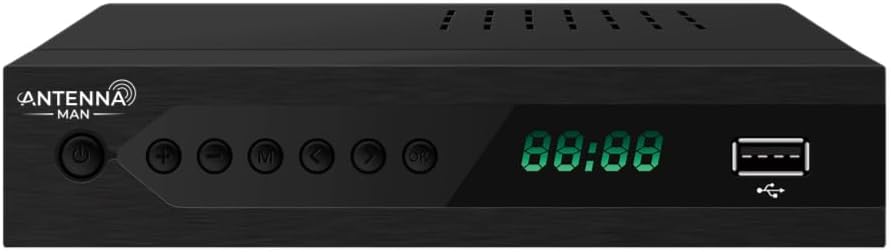
The Antenna Man Signal Meter is a budget-friendly option primarily designed for digital TV antenna alignment. While its title mentions ATSC digital converter boxes, it offers real-time signal strength feedback useful for tuning receivers. It serves users looking for a straightforward tool to optimize channel reception without complex setup.
We may earn a commission when you buy through this link, at no additional cost to you.
Its key strength lies in its simplicity and ease of use. The plug-and-play design means you can start testing immediately without configuration. Real-time signal strength indicators help you adjust antenna direction quickly. This makes it a practical choice for homeowners aiming outdoor TV antennas for better picture quality and channel availability.
However, it is not a cellular signal meter specifically for boosters or wireless IoT devices. Its focus on ATSC signals limits its utility for cellular antenna aiming tasks. Users needing to test LTE or 5G bands will need a different device. The basic feature set is a trade-off for its lower cost and specific use case.
This meter is best for those focused on over-the-air TV reception. If your goal is to align a TV antenna for maximum channel count, it provides necessary feedback affordably. For cellular booster installation or multi-band RF testing, consider options with wider frequency coverage and more specialized features.
Offers essential real-time feedback at a low cost for budget-conscious users.
Plug-and-play design eliminates complex configuration for instant testing.
We may earn a commission when you buy through this link, at no additional cost to you.
The Berkeley Varitronics Octopus 4G LTE is a premium solution for professionals requiring precise cellular signal measurements. With top ratings, it is built for EV charging stations, boosters, and IoT devices. Its ability to measure true RSRP, RSRQ, and RSSI values provides detailed insights unavailable in basic meters.
We may earn a commission when you buy through this link, at no additional cost to you.
Its standout feature is the requirement of no SIM cards, phones, or apps. This simplifies testing and avoids carrier-specific limitations. The device supports AT&T, Verizon, T-Mobile, and all US regional carriers. Its design for EV charging and utility telematics reflects a focus on robust, field-ready performance for technical professionals.
The premium price reflects its specialized capabilities and build quality. While highly effective for LTE environments, it may be overkill for simple antenna aiming tasks. Users needing only basic RSSI might find more affordable options. However, for accurate RSRP and RSRQ readings, the investment is justified for reliable data.
This meter is perfect for engineers installing complex cellular infrastructure. If your work involves IoT devices, EV sites, or critical booster setups, the Octopus delivers the precision you need. We recommend it for professionals who require detailed LTE metrics and reliable operation without ongoing subscription costs.
Provides true RSRP RSRQ and RSSI for precise signal quality analysis.
Test without SIM cards or recurring fees for streamlined workflow.
We may earn a commission when you buy through this link, at no additional cost to you.
The RF Explorer Pro Spectrum Analyzer is a powerful platform for engineers needing detailed RF spectrum data. It combines a spectrum analyzer, power meter, and tracking generator in a portable design. With no specific rating listed yet, it is positioned as a professional tool for advanced RF testing and interference analysis.
We may earn a commission when you buy through this link, at no additional cost to you.
Its key strengths include an eight-inch high-definition touchscreen and a frequency range up to 6GHz. It supports zero span, waterfall, and GPS heatmap modes for dynamic monitoring. The fast power meter response and continuous sweep allow quick identification of signal issues. USB and HDMI connectivity enable data logging and remote analysis.
The complexity of this device is both a strength and a trade-off. While it offers unmatched analysis capabilities, it requires technical expertise to use effectively. For simple antenna aiming, it may be excessive. However, for diagnosing interference or testing cable systems, its modular design and connectivity options provide significant value.
This analyzer is ideal for RF professionals and advanced hobbyists. If you need to troubleshoot complex wireless environments or validate system performance, the RF Explorer Pro offers comprehensive tools. It is recommended for users who prioritize detailed spectrum visualization over simplicity and basic signal strength readings.
USB HDMI and Ethernet allow flexible data logging and remote management.
Five hour battery life supports extended field measurements without outlets.
We may earn a commission when you buy through this link, at no additional cost to you.
The NetAlly AirCheck G3 Pro Kit is a top-rated tool for Wi-Fi and Bluetooth network analysis. With a perfect rating, it is designed to validate Wi-Fi 6/6E performance and troubleshoot connectivity. It includes a full tri-band spectrum analyzer and directional antenna for comprehensive testing.
We may earn a commission when you buy through this link, at no additional cost to you.
Its key strengths include physical location detection and remote collaboration tools. Engineers can collaborate remotely using AirMapper Site Survey to solve issues efficiently. Automatic network topology mapping simplifies documentation. The Link-Live platform centralizes data management for seamless analysis and reporting across teams.
The high cost reflects its professional-grade features and specialized focus on Wi-Fi and Bluetooth. It is not a cellular signal meter for 4G/5G boosters, making it less suitable for that purpose. However, for IT professionals managing wireless networks, the efficiency gains and detailed analytics justify the investment.
This kit is ideal for enterprise network engineers. If you manage critical Wi-Fi services and need to verify upgrades or troubleshoot complex sites, the AirCheck G3 delivers robust tools. We recommend it for teams prioritizing remote collaboration and accurate tri-band spectrum analysis.
AirMapper Site Survey enables remote engineers to solve field issues faster.
Includes directional antenna and analyzer for immediate professional testing.
We may earn a commission when you buy through this link, at no additional cost to you.
The Extech 480836 RF EMF Strength Meter is designed for high-frequency EMF measurements. With a solid rating, it measures from 50MHz to 3.5GHz covering mobile and microwave leakage. Its isotropic probe ensures accurate readings regardless of direction.
We may earn a commission when you buy through this link, at no additional cost to you.
Its key strengths include reliability and non-directional measurement capabilities. This makes it ideal for assessing EMF from base stations and cell phones. The manual store recall feature allows tracking multiple reading sets for documentation. It provides consistent data for safety assessments and basic signal checks.
While effective for EMF, it does not offer detailed LTE metrics or spectrum analysis. The frequency range is sufficient for many cellular tasks but may miss higher bands. For users needing directional aiming specifically, a dedicated antenna meter might be more precise. However, for general EMF and signal presence checks, it is dependable.
This meter is suitable for safety inspectors and basic RF checks. If you need to monitor EMF levels around base stations or ensure microwave safety, the Extech meter delivers trustworthy data. We recommend it for users prioritizing measurement reliability over advanced spectrum visualization.
Three-channel triaxial measurement ensures accurate readings from any angle.
Store and recall up to ninety nine sets for detailed tracking.
We may earn a commission when you buy through this link, at no additional cost to you.
The MINI1300 Antenna Analyzer is a versatile tool for HF, VHF, and UHF signal testing. With strong ratings, it features a 4.3-inch touchscreen and frequency range up to 1300MHz. It offers single point, scanning, and TDR modes for comprehensive antenna and cable diagnostics.
We may earn a commission when you buy through this link, at no additional cost to you.
Its key strengths include a large display and portable design. The color touchscreen makes viewing measurements clear and intuitive. TDR mode allows detection of cable faults and impedance issues. Its compact size ensures you can carry it easily to any antenna mounting location.
A notable trade-off is that the firmware cannot be updated. This limits long-term improvements and may lead to obsolescence. However, the current feature set remains robust for field use. For users requiring advanced cellular-specific metrics, it may lack some specialized features compared to LTE analyzers.
This analyzer is best for amateur radio and general RF enthusiasts. If you work with various frequency bands and need cable testing capabilities, the MINI1300 provides significant value. We recommend it for those needing a portable, multi-mode analyzer for troubleshooting and tuning.
Detect cable faults and impedance mismatches with Time Domain Reflectometry.
Large color screen provides easy reading of measurement data.
We may earn a commission when you buy through this link, at no additional cost to you.
The SA6 6GHz Portable Spectrum Analyzer is a handheld tool integrating analyzer and signal generator functions. With no specific rating listed, it supports a broad frequency range from 35MHz to 6200MHz. It is suitable for Wi-Fi, LTE, and other wireless signal analysis.
We may earn a commission when you buy through this link, at no additional cost to you.
Its key strengths include the 2-in-1 design and wide frequency coverage. The integrated signal generator supports frequency response measurements. The color touchscreen enables real-time viewing. USB connectivity allows logging and analysis on PC. Its lightweight design ensures easy transport.
The lack of a specific rating means user experience data is limited. However, its feature set suggests strong utility for technicians. The compact size is a major plus for field work. Users may need time to master the full capabilities of the generator modes.
This analyzer is ideal for repair shops and RF technicians. If you need a portable device for debugging devices and analyzing signals across multiple bands, the SA6 is a strong candidate. We recommend it for users seeking versatility and portability at a competitive price.
Built-in signal generator allows component testing without separate devices.
USB Type-C port enables data transmission and real-time analysis.
We may earn a commission when you buy through this link, at no additional cost to you.
The For Sa6 6GHz Handheld is designed for comprehensive RF analysis. It covers 35 to 6200MHz supporting Wi-Fi and LTE technologies. With integrated tracking generation, it is useful for filter and amplifier characterization. Its rugged design suits onsite technicians.
We may earn a commission when you buy through this link, at no additional cost to you.
Its key strengths include the integrated tracking generator and fast sweeps. This allows rapid environmental assessments and repeater diagnostics. The compact size and lightweight build make it easy to carry in tight spaces. Real-time spectral measurements enable quick decision-making on site.
As a variant of the SA6, it shares features but may differ in accessories or specific capabilities. Users should verify included items before purchase. The lack of ratings requires reliance on specs. However, the feature set indicates strong value for field RF testing.
This device is suitable for maintenance teams and RF hobbyists. If you need a portable tool for SWR and spectrum monitoring, it delivers practical performance. We recommend it for technicians requiring quick, reliable field measurements without excessive bulk.
Compact housing ensures durability during onsite use in tight spaces.
Fast scan rates enable quick RF environment assessments.
We may earn a commission when you buy through this link, at no additional cost to you.
The Channel Master TV Antenna Signal Strength Meter is a practical tool for aligning TV antennas. With a budget-friendly rating, it supports all US ATSC frequencies. It displays signal level and signal-to-noise ratio to guide precise antenna alignment.
We may earn a commission when you buy through this link, at no additional cost to you.
Its key strengths include simplicity and included accessories. The color touchscreen and rechargeable battery make it field ready. The stylus and carrying case ensure safe and convenient use. For OTA antenna installation, it provides clear visual feedback for maximizing reception.
It is not a cellular meter and will not measure LTE or 5G signals directly. This limits it to TV broadcast use cases. However, for the intended purpose of OTA antenna alignment, it is effective and affordable. Users needing cellular booster support should consider other options.
This meter is ideal for homeowners installing over-the-air TV antennas. If you want a reliable way to optimize your TV reception without high cost, the Channel Master delivers. We recommend it for those prioritizing OTA antenna alignment over cellular signal testing.
Includes stylus and carrying case for convenience and protection.
Displays SNR and signal level for precise alignment decisions.
We may earn a commission when you buy through this link, at no additional cost to you.
Selecting the right cellular signal meter requires understanding your specific needs. This guide outlines key factors to consider for ensuring your chosen device performs effectively in your environment.
Ensure the meter supports the cellular bands used by your carrier. Common bands include PCS, LTE, AWS, and emerging 5G frequencies. Verify the product specifications explicitly list support for these frequencies.
Check that the meter covers all necessary bands for your target network.
Accuracy determines how precise your readings are. Look for true measurements like RSRP or RSSI for detailed signal quality. Higher accuracy is critical for complex installations like EV stations or IoT devices.
Prioritize devices offering true LTE metrics for precise alignment.
Field work requires portable devices with reliable battery life. Check how long the battery lasts and if it is rechargeable. Compact designs with carrying cases are essential for ease of transport.
Choose rechargeable devices with sufficient battery to complete your tasks.
The interface should be intuitive for both professionals and DIY users. Look for backlit displays, clear menus, and responsive controls. Avoid overly complex tools unless you need advanced spectrum analysis features.
Select a meter with a straightforward interface for efficient operation.
Features like tracking generators or TDR modes add value for advanced testing. Consider if you need these capabilities for cable diagnostics or component testing. Extra connectivity like USB for data logging can aid record keeping.
Evaluate if advanced tools align with your specific technical needs.
Confirm the device works with your specific setup. Some meters need adapters or specific connectors to interface with antennas. Ensure compatibility with boosters or IoT devices before purchase.
Verify connector compatibility to avoid installation issues.
Cost varies significantly based on capabilities. Decide if you need basic signal strength or detailed spectrum analysis. Balance the price against the features to find the best value for your budget.
Invest in features that provide measurable benefits for your use case.
Reliable warranty and customer support ensure peace of mind. Manufacturers offering support in your region are preferable for troubleshooting. Check reviews for feedback on product durability.
Choose brands with strong customer service reputations.
Connect the meter to your antenna port using the appropriate cables. Ensure all connections are secure to avoid signal loss. Turn on the device and select the correct frequency band or measurement mode for your target network.
Position the antenna and observe real-time signal readings. Adjust the direction until the signal strength or quality metrics reach optimal levels. If available, use directional features to isolate signals from specific carriers.
Care for your meter by keeping it dry and avoiding physical shocks. Store it in a protective case when not in use. Regularly calibrate and recharge batteries to maintain accuracy and extend device lifespan.
A good cellular signal meter should cover major US bands including 700MHz, AWS, PCS, and LTE frequencies. Look for a device that supports the specific bands of your carrier to ensure accurate measurement. Wide range coverage ensures future compatibility with network updates.
Most standalone meters do not require subscriptions. However, some devices may offer cloud logging or advanced features that could require fees. Always check product details to confirm if any ongoing costs are associated with basic operation.
Calibration typically involves comparing readings against a known reference or using built-in test tones. Follow manufacturer guidelines to ensure accuracy. Some high-end models offer automatic calibration features to simplify this process.
No, TV meters are designed for ATSC frequencies not cellular bands. You need a dedicated cellular signal meter to test booster performance or cellular frequencies. Using the wrong tool will not yield accurate results for cellular installations.
RSSI stands for Received Signal Strength Indicator indicating total power. RSRP is Reference Signal Received Power which is more precise for LTE. Both metrics help you determine signal quality and alignment effectiveness for cellular networks.
Long battery life ensures you can complete installation tasks without interruptions. Rechargeable batteries are preferred for field use to avoid needing spares. A reliable power source prevents mid-work shutdowns.
For basic aiming, a simple signal strength meter is sufficient. Spectrum analyzers are needed for diagnosing interference or complex signal issues. Choose based on your level of technical requirement.
Regular maintenance includes cleaning connectors and checking battery health. Calibration should be done annually or per manufacturer recommendations. Proper care extends device life and measurement accuracy.
Choosing the right meter ensures reliable installation of boosters and antennas. The SureCall Five-Band and Berkeley Varitronics Octopus offer strong options for cellular specific needs. Consider your specific bands and required features before deciding.
Prioritize accuracy and band coverage to avoid installation failures. A tool that matches your carrier frequencies will provide the best performance. Ensure portability and battery life fit your working environment.
Prices and availability change frequently so verify current details before purchasing. Checking product pages for latest specs ensures you get the right device for your project.