
Radial Mix 2:1 2-channel Passive Mixer
4.8Editor score
Passive summing design
Two inputs one mono output
Compact and durable build
This guide compares the top analog summing mixers for studio and live use, evaluating channel count, sonic character, and build quality to help you choose.
Analog summing mixers provide a distinct harmonic richness that digital workflows often lack. They combine multiple tracks into a cohesive stereo bus using transformers and discrete circuitry. This analog warmth adds depth and glue to modern productions. Choosing the right unit depends on your studio size and sonic goals.
We evaluated ten top-tier mixers based on input capacity, transformer quality, and monitoring features. Our analysis focuses on units designed for summing rather than simple DJ or live sound mixing. Each product offers unique routing options and sonic signatures. We considered build quality and connectivity for professional environments.
Each pick highlights specific strengths like channel count or passive design. Some units offer extensive routing while others focus on pure tone. Prices and availability change frequently so verify current stock before purchasing. We aim to guide you toward the mixer that best fits your workflow and budget constraints today.
4.8Editor score

5.0Editor score
This table compares key specifications across all ten selected mixers to help you find the right fit for your studio setup.




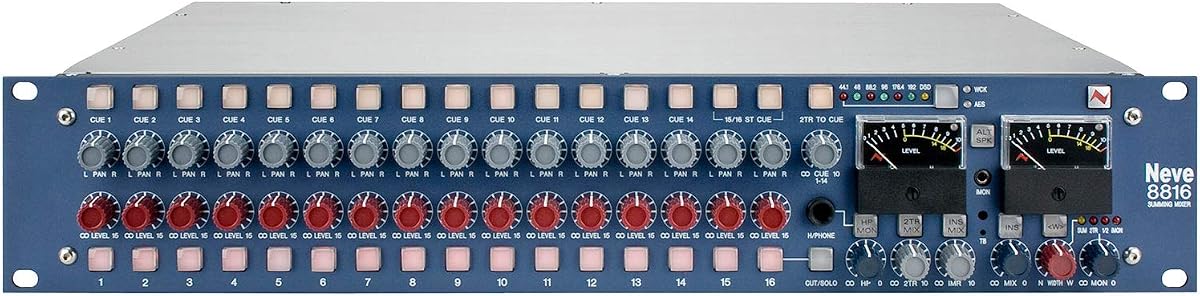
The Neve 8816 represents the pinnacle of analog summing technology for serious studios. It combines sixteen channels of input through transformer-balanced circuitry to produce a warm cohesive stereo image. This unit is designed to add harmonic richness and depth to any mix. Its legacy ensures that every track benefits from legendary sonic character.
We may earn a commission when you buy through this link, at no additional cost to you.
This mixer features a robust monitoring section with main and alternate speaker outputs. Dual headphone outputs allow multiple engineers to cue tracks simultaneously without compromising signal quality. The transformer-balanced design minimizes noise and ensures high dynamic range throughout the signal path. Such features make it ideal for high-end post-production and music recording environments.
While the unit delivers exceptional sound it does require a dedicated power source which adds to setup complexity. The high cost places it out of reach for many home studio enthusiasts. However the sonic improvements it offers justify the investment for professional facilities. The build quality ensures it will last for decades of heavy use.
Studio owners seeking the ultimate analog glue should consider this mixer. It excels at summing multiple tracks into a polished master bus. The monitoring flexibility supports collaborative sessions effectively. For those wanting the authentic Neve sound this unit remains the industry standard choice for summing today.
The transformer-balanced design ensures high signal integrity and minimizes noise interference effectively.
Main and alternate speaker outputs along with dual headphone jacks support flexible monitoring setups.
We may earn a commission when you buy through this link, at no additional cost to you.
The Radial Mix 2:1 offers an affordable entry point into analog summing for smaller projects. It combines two inputs into a single mono output using a passive circuit. This simplicity ensures no added noise or coloration from active components. The unit is ideal for summing two tracks or creating a mono submix easily.
We may earn a commission when you buy through this link, at no additional cost to you.
Its passive design means it requires no power making it easy to integrate anywhere. The compact size fits well on crowded desktops or rack spaces. Build quality is typical of Radial with a robust metal case that withstands touring. This makes it a practical choice for both studio and live applications needing quick summing.
The limitation to two inputs and mono output restricts its use for complex mixes. It cannot handle stereo sources directly without additional routing. However for specific tasks like summing drums or vocals this is acceptable. The price point makes it accessible for those who do not need full console features.
Budget-conscious engineers will appreciate this mixer for its reliability and ease of use. It is perfect for adding a touch of analog summing without a large footprint. If you need a simple robust tool for two-channel summing this unit delivers. It remains a top pick for those seeking value and performance.
Passive design removes the need for power and prevents active noise from affecting the signal path.
The metal case ensures durability while the small size saves valuable desk space for other gear.
We may earn a commission when you buy through this link, at no additional cost to you.
The Rupert Neve Designs 5059 Satellite provides sixteen channels of analog summing in a compact form. It brings the Shelford sonic signature to studios needing more inputs than typical summing boxes. This unit combines inputs into two main buses plus two auxiliary outputs for flexibility. It is designed to work seamlessly with modern digital audio workstations.
We may earn a commission when you buy through this link, at no additional cost to you.
The Shelford Edition ensures that the classic Neve tone is present in every channel. This adds warmth and punch that digital plugins struggle to replicate. The satellite design allows it to be placed remotely from a main console if needed. This versatility makes it suitable for large home studios or satellite control rooms.
While it lacks built-in audio interface capabilities it serves purely as a summing engine. The price reflects the high-end components and engineering involved. Users must ensure they have sufficient I/O from their interface to utilize all channels. Despite this the sound quality justifies the cost for professionals seeking authentic analog coloration.
Engineers wanting to expand their analog workflow will find this mixer invaluable. It offers a practical balance between channel count and sonic quality. The routing options support complex mixes without cluttering the desk. For those seeking the Rupert Neve sound at scale this unit is a strong candidate for purchase.
This edition captures the specific tonal qualities of the Shelford series for consistent analog warmth.
Two main buses plus two auxiliary outputs allow for diverse signal routing and submix creation.
We may earn a commission when you buy through this link, at no additional cost to you.
The Headliner R4 offers a unique analog mixing experience with detailed filter controls. It features four stereo channels with independent filters for each channel. This allows for precise tonal shaping during live sets or mixing sessions. The built-in high pass and low pass filters include resonance controls for character.
We may earn a commission when you buy through this link, at no additional cost to you.
Genuine ALPS potentiometers ensure smooth operation and longevity. The metal enclosure and stained wood panels provide a classic look that stands out. Three band isolator EQs give full control over the frequency spectrum. This combination of tactile feel and sound quality makes it popular for audio enthusiasts.
Designed primarily for DJing it may offer more features than needed for pure summing. The filter activation switches are great for creative transitions. However for studio summing the focus on DJ tools might not align with some workflows. Still the build quality and analog signal path remain solid for general use.
Musicians who also mix live tracks will appreciate the versatility of this unit. It blends classic aesthetics with modern connectivity options. The independent master and booth outputs support various sound systems. For those wanting a high-quality analog mixer with filters this is a compelling choice.
Frequency and resonance controls allow for deep tonal shaping and creative sound design capabilities.
Metal enclosure and wood panels ensure durability and add a classic look to any setup.
We may earn a commission when you buy through this link, at no additional cost to you.
The Mackie Onyx 16 combines analog mixing with high-resolution multi-track USB recording. It offers sixteen channels of processing with legendary Onyx mic preamps. These preamps provide up to sixty decibels of gain with low noise. This unit is ideal for those who need to record directly to a computer from analog sources.
We may earn a commission when you buy through this link, at no additional cost to you.
Award-winning Onyx mic preamps ensure clean capture of microphones and instruments. The mixable midrange EQ allows precise tone shaping on each channel. A robust digital effect engine adds user-customizable reverbs and delays directly to the mix. This reduces reliance on external hardware plugins for basic processing tasks.
While the unit is heavy and requires power it delivers exceptional versatility. The Bluetooth streaming feature allows easy integration of mobile devices. The ability to record directly to SD card provides redundancy for live sessions. For those wanting an all-in-one analog and digital solution this mixer is a strong contender.
Studio owners seeking a reliable workhorse for both live and recording will value this. It bridges the gap between analog warmth and digital convenience. The Onyx preamps are a significant draw for vocal and instrument recording. For hybrid setups needing extensive inputs and recording this unit is highly recommended.
Legendary preamps provide up to sixty decibels of gain with low noise for clean signal capture.
Multi-track USB and SD card recording offer flexible options for capturing high-quality audio directly.
We may earn a commission when you buy through this link, at no additional cost to you.
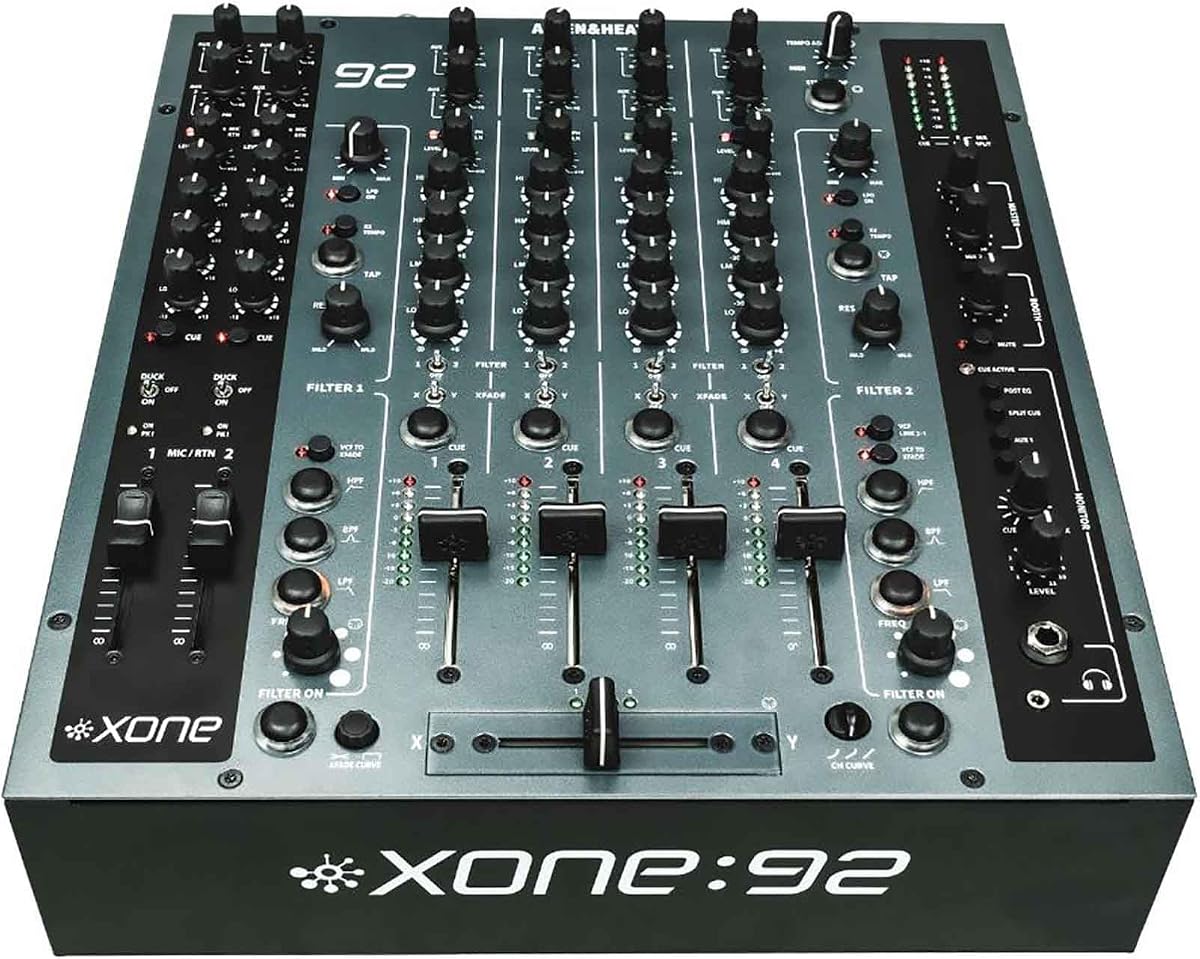
The Allen & Heath Xone:92 Mk2 is a high-performance analog DJ mixer known for its filters. It features four channels with independent XONE VCF switching for dynamic control. This unit is designed for professional DJs who demand precise sound shaping. The analog signal path ensures smooth and musical transitions between tracks.
We may earn a commission when you buy through this link, at no additional cost to you.
Two multimode filters allow for creative sound shaping with high and low pass options. The send and return connections support external effects units integration easily. Two stereo aux outputs provide flexible monitoring and routing options for different setups. This versatility makes it suitable for complex club environments or studio scratch work.
The price is high reflecting the professional build and sonic quality. It is optimized for DJ workflows rather than multi-track studio summing. However the analog quality is superb for any audio application requiring tactile control. The inclusion of two mic inputs adds utility for hosting live events seamlessly.
Professional users prioritizing sound quality and control will appreciate this unit. The VCF system offers a distinct sound that is hard to replicate. If you need a premium mixer for analog performance and filtering this is a top choice. It remains a favorite among audiophiles who perform live regularly.
XONE VCF switching provides dynamic control over filters for precise sound shaping during mixing.
Send and return connections allow easy integration of external effects units for creative sound options.
We may earn a commission when you buy through this link, at no additional cost to you.
The Allen & Heath Xone:43 delivers high performance analog mixing in a compact size. It offers four plus one channels with the classic Xone Voltage Controlled Filter system. This provides high pass and low pass filters with resonance control per channel. It is a favorite for those who value analog sound quality in performance.
We may earn a commission when you buy through this link, at no additional cost to you.
Send and return connections include individual dry wet control levels per channel. This allows for seamless integration of external effects units into any setup. Dedicated booth and record outputs ensure separate monitoring paths for professional workflows. The Innofader compatibility allows for upgrades to suit specific mixing styles.
The five star rating reflects the reliability and sound quality users experience. It is compact enough for home studios yet robust enough for club use. While focused on DJing the analog path is excellent for any signal merging. The build quality ensures it withstands regular use without significant wear over time.
Those seeking an affordable high-quality analog mixer will find this unit impressive. It balances price and performance effectively for most applications. If you want the Xone sound without the premium cost of the 92 this is ideal. It is a strong recommendation for users wanting analog control.
Individual dry wet control allows precise integration of external effects for creative mixing possibilities.
Dedicated booth and record outputs ensure separate signal paths for different monitoring needs effectively.
We may earn a commission when you buy through this link, at no additional cost to you.
The Mackie 1202VLZ4 is a twelve-channel mixer known for exceptional sound quality. It features four Onyx mic preamps that deliver incredibly low noise and wide gain. This unit is perfect for broadcast applications and live sound scenarios. The design ensures high fidelity capture of microphones and instruments without adding coloration.
We may earn a commission when you buy through this link, at no additional cost to you.
Connect up to twelve high-margin line inputs for keyboards and playback devices. The dynamic range of 128.5dB ensures quiet signals are captured clearly. Distortion below 0.0007% guarantees clean audio across the full frequency range. Enhanced RF rejection protects against interference in noisy environments effectively.
While it lacks digital effects this unit focuses purely on analog signal integrity. The three-band EQ and low-cut filter provide essential tone shaping tools. It is an ideal choice for users who prioritize preamp quality over digital convenience. The routing options support live and studio needs with simplicity.
Live sound engineers will appreciate the reliability and sonic clarity of this mixer. It is robust enough for touring yet compact enough for smaller venues. If you want high-quality analog mixing without digital complexity this is a solid choice. It remains a benchmark for compact analog performance today.
Onyx preamps deliver incredibly low noise with a sixty decibel ultra-wide gain range for flexible sources.
Distortion below 0.0007% ensures clean audio across the full frequency range for high fidelity.
We may earn a commission when you buy through this link, at no additional cost to you.
The Solid State Logic BiG SiX is a premium mixing console designed for hybrid production. It combines four console-grade SuperAnalogue mic preamps with a sixteen-channel USB interface. This unit offers comprehensive monitoring and a stereo master bus compressor for final polish. It is a top choice for professional producers seeking analog workflow.
We may earn a commission when you buy through this link, at no additional cost to you.
SuperAnalogue mic pres ensure high fidelity capture with low noise and wide headroom. The sixteen-channel USB interface allows direct recording into DAWs with zero latency. A stereo master bus compressor adds punch and glue to mixes effectively. The listen mic compressor on talkback input enhances communication during sessions.
The comprehensive monitoring section supports multiple speaker setups and cue systems. While the cost is high it reflects the studio grade components and engineering. It requires significant desk space which may be a constraint for home studios. Despite this the sound quality is unmatched in its class for mixing.
Producers wanting an all-in-one analog and digital solution will find this unit ideal. It bridges the gap between classic console sound and modern connectivity. The master bus compressor adds a professional finish to any project. For high-end studios this is the benchmark for analog summing and mixing.
Console-grade SuperAnalogue mic preamps deliver high fidelity capture with low noise and wide headroom.
Stereo master bus compressor adds punch and glue to mixes for a polished professional final output.
We may earn a commission when you buy through this link, at no additional cost to you.
The Yamaha MG10 is a ten-channel standalone mixer known for its D-PRE preamps. These studio-grade discrete class-A preamps provide a fat natural sounding bass. This unit is ideal for beginners needing reliable analog mixing without digital complexity. The design ensures smooth highs and clean signal flow throughout the path.
We may earn a commission when you buy through this link, at no additional cost to you.
Three-band EQ and high-pass filters give maximum control to eliminate unwanted noise. One-knob compressors allow easy control for punchier bass and tighter snares. The chassis is rugged and impact-resistant to withstand handling during transport. This makes it suitable for mobile applications where reliability is essential for daily use.
While it lacks USB connectivity it focuses purely on analog performance. The inclusion of phantom power supports condenser microphones effectively. For those starting out this unit provides a solid foundation for learning mixing. The build quality ensures it will last even with regular use in various environments.
New studio owners will appreciate the value and sound quality of this mixer. It delivers professional tone at an accessible price point for beginners. If you need a reliable analog tool without digital features this is perfect. It remains a top recommendation for those seeking quality analog performance.
Studio-grade discrete class-A preamps provide a fat natural sounding bass and smooth soaring highs.
One-knob compressors allow easy control for punchier bass and tighter snares with live vocals.
We may earn a commission when you buy through this link, at no additional cost to you.
Choosing the right analog summing mixer depends on your channel needs, sonic preferences, and budget constraints.
Consider how many tracks you need to sum simultaneously. Larger studios may require sixteen inputs while smaller setups work with fewer. Matching the channel count to your workflow prevents bottlenecks and ensures efficient routing.
Different units offer distinct tonal signatures. Transformers add warmth while discrete circuits provide transparency. Decide if you want to add color to tracks or maintain neutrality for further processing.
Look for robust monitoring sections with main and alternate outputs. Dual headphone jacks support collaboration. Flexible routing allows for complex submixes without cluttering your workspace.
Metal enclosures and high-quality potentiometers ensure longevity. Consider if the unit needs to withstand frequent transport or stay in a fixed studio location.
Check for balanced XLR or TRS connections to maintain signal integrity. Phantom power is essential for condenser microphones. USB interfaces add recording capabilities for hybrid setups.
Prices vary widely from compact units to high-end consoles. Determine if you need a pure summing engine or a mixer with additional features to justify the cost.
Passive mixers require no power and avoid active noise. Active units offer gain and EQ features. Weigh the simplicity of passive against the flexibility of active designs.
Ensure the mixer fits your studio rack or desk space. Verify compatibility with your existing interface and monitoring system. Proper integration avoids signal loss and grounding issues.
To use a summing mixer, route outputs from your digital audio workstation to the mixer inputs. Adjust individual channel levels and pan knobs to balance the mix. Monitor the output using your main speakers to hear the analog summing effect.
Ensure all connections are secure and balanced to minimize noise. If using phantom power, check microphone requirements before engaging. Use headphones for detailed editing before sending signal to speakers to prevent accidental damage.
Maintain your unit by keeping it in a dry and cool environment. Regularly clean potentiometers and inputs with compressed air. Store the mixer in a padded case if transporting it to prevent internal component damage over time.
An analog summing mixer adds harmonic saturation and glue to your mix that digital plugins often miss. It combines multiple tracks using transformers or circuits that introduce pleasing distortion. This results in a fuller and more cohesive stereo image.
A standalone summing mixer requires an audio interface to send digital tracks to analog inputs. Some models include built-in interfaces for hybrid workflows. Ensure your interface has enough outputs to match the mixer inputs.
Yes, but standard mixers are better suited for live sound. Summing mixers typically lack dynamics processing and feedback suppression. They excel in studio post-production where tonal quality is paramount.
Passive mixers avoid active noise and require no power source. Active units offer EQ and gain control features. Choose based on whether you prioritize simplicity or control over your signal.
The count depends on your DAW project size. Small projects might only need four channels while full albums may require sixteen. Match the mixer to your typical track counts to avoid waste.
It changes the signal during processing. The summed output is a new analog stereo file. You must record the output back into your DAW to save the changes permanently.
We explored ten distinct units ranging from compact mixers to full consoles. The top picks cater to varying needs from budget to premium workflows. Each offers unique routing capabilities to fit your specific audio setup.
Prioritize channel count and sonic character when selecting your unit. Build quality ensures your investment lasts for years of production. Consider how much space you have and if you need monitoring features.
Verify current availability before purchasing as stock fluctuates. Prices may vary by retailer so compare options carefully. Choose the mixer that best supports your creative workflow today.