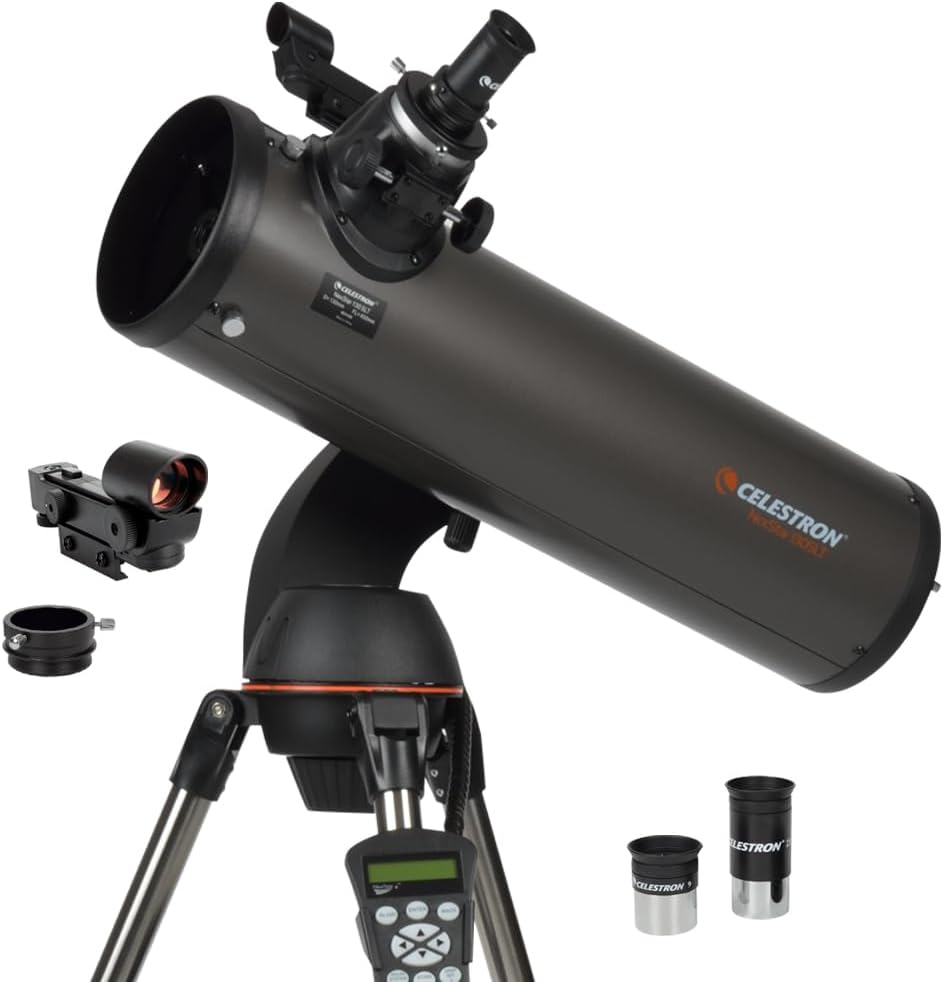
Celestron NexStar 130SLT Newtonian Reflector Telescope – Computerized GoTo
4.4Editor score
Compact and portable design
Large database of stars
Free astronomy software included
Exploring the night sky becomes much easier with computerized telescopes for adults. These devices automate the search process, allowing you to focus on viewing rather than aligning manually. Whether you are a beginner or an experienced astronomer, the right scope can transform your backyard into a personal observatory.
We have carefully selected ten models based on optical quality, mount stability, and ease of use. Our comparison includes various designs, from Schmidt-Cassegrain to Newtonian reflectors, ensuring options for different budgets and needs. Each product was evaluated for its ability to deliver clear views of planets and deep-sky objects.
Every pick in this list showcases unique strengths tailored to specific observing styles and preferences. While we highlight key features, remember that prices can change frequently on retailer sites. Always check the current listing before making a purchase decision to ensure you get the best value available today.
4.4Editor score

4.3Editor score

4.4Editor score
As an Amazon Associate we earn from qualifying purchases.
This side-by-side comparison highlights the key specifications and features of each telescope to help you decide quickly. We have organized the data to show aperture size, optical design, and unique capabilities for every model listed.




The Celestron NexStar 8SE stands out as a powerful tool for adult astronomers seeking precision and ease. With its eight-inch aperture and fully computerized GoTo system, it allows you to explore the night sky without the hassle of manual alignment. Its robust build quality ensures stability during viewing sessions.
We may earn a commission when you buy through this link, at no additional cost to you.
This telescope features a large database of over forty thousand celestial objects, making it simple to find targets like galaxies and nebulae. The SkyAlign technology lets you center any three bright stars to align the mount quickly. This reduces setup time significantly compared to traditional telescopes.
While the cost is higher than smaller models, the optical performance justifies the investment for serious observers. The only notable trade-off is the need for precise initial alignment to maximize tracking accuracy. However, once aligned, the system maintains position well throughout the night.
Ideal for users ready to upgrade from manual scopes, this model offers a perfect blend of portability and power. It is excellent for viewing planetary details and deep-sky objects alike. We recommend this for those who value automation and optical quality in equal measure.
The eight-inch Schmidt-Cassegrain optics gather ample light to reveal fine details on planets and distant galaxies.
The automated GoTo mount slews to your target automatically, saving you time and frustration during observation.
We may earn a commission when you buy through this link, at no additional cost to you.
The Celestron NexStar 130SLT offers an excellent entry point into computerized astronomy without breaking the bank. Its Newtonian reflector design provides bright views of solar system objects and nearby deep-sky targets. This makes it a versatile choice for families or beginners.
We may earn a commission when you buy through this link, at no additional cost to you.
Portability is a key strength here, as the telescope is lightweight and easy to transport to dark sky sites. The included software allows you to simulate the night sky and plan sessions effectively. This educational feature adds significant value to the purchase.
The main limitation is the smaller aperture compared to larger models, which affects visibility of faint objects. Additionally, the mount can be sensitive to vibrations if bumped during use. These are acceptable compromises given the low price point and overall performance.
We recommend this scope for those wanting a balance of affordability and automation. It works well for casual stargazing and planetary observation. If you prioritize ease of transport and cost, this model is a strong contender in its category.
Priced competitively, this telescope delivers automated features typically found in more expensive units.
Its compact form factor allows for easy transport to parks or camping sites for better viewing.
We may earn a commission when you buy through this link, at no additional cost to you.
The Odyssey PRO represents the cutting edge of smart telescope technology for serious enthusiasts. It combines visual observation with digital imaging capabilities, allowing you to capture stunning images of deep-sky objects. This integration of hardware and software makes it a unique tool.
We may earn a commission when you buy through this link, at no additional cost to you.
Key strengths include the ability to export RAW and FITS data for advanced processing and citizen science projects. The app-controlled motorized mount ensures precise tracking without manual intervention. This is perfect for users who want to focus on results rather than mechanics.
The primary drawback is the significant cost, which places it out of reach for casual observers. Additionally, reliance on the app means you need a stable connection for optimal functionality. However, for those seeking advanced features, these limitations are often acceptable.
We recommend this for advanced users interested in astrophotography and data analysis. It bridges the gap between visual telescopes and professional equipment. If you value innovation and precision, this model offers capabilities unmatched by traditional scopes.
Capture high-resolution images of nebulae and galaxies with built-in digital sensors and processing.
Export data to participate in citizen science campaigns and contribute to real astronomical discoveries.
We may earn a commission when you buy through this link, at no additional cost to you.
The Celestron NexStar 5SE offers a versatile balance of performance and portability for adult observers. Its five-inch aperture is sufficient for viewing planets and bright deep-sky objects effectively. This model is ideal for those who travel often to find dark skies.
We may earn a commission when you buy through this link, at no additional cost to you.
With a database of over forty thousand objects, finding targets is quick and easy. The included wedge allows for polar alignment, which is essential for astrophotography. This adds functionality beyond simple visual observation for expanding users.
The main trade-off is the smaller aperture compared to larger scopes, limiting faint object visibility. The mount is sturdy but can exhibit minor sway in windy conditions. Despite these limitations, the optical quality remains high for its size.
We recommend this for users wanting a compact yet powerful telescope. It is suitable for both visual use and light imaging. If you value portability without sacrificing too much optical performance, this is a solid choice.
Its compact build makes it easy to carry in a vehicle to remote observing sites.
The integrated wedge supports polar alignment for longer exposure photography sessions.
We may earn a commission when you buy through this link, at no additional cost to you.
The Celestron 114LCM is designed to provide a straightforward entry into computerized astronomy. It automatically locates thousands of objects with a simple press of a button, removing the guesswork for new users. This simplicity makes it approachable for families or first-time buyers.
We may earn a commission when you buy through this link, at no additional cost to you.
The package includes high-quality eyepieces and a StarPointer finderscope to ensure you have everything to start observing. The free software helps you simulate the sky and plan your sessions before heading out. This educational value is significant for learning.
However, the mount stability is basic compared to heavier models, which may affect tracking in wind. The optical quality is good but not exceptional for high-magnification views. These factors are expected at this price point for beginners.
We recommend this for those who want a complete package without extra purchases. It is ideal for casual viewing and educational purposes. If your priority is simplicity and value, this telescope serves the purpose well.
Everything needed for stargazing is included in the box for immediate use.
The Sky Tour button simplifies target selection for users unsure what to view.
We may earn a commission when you buy through this link, at no additional cost to you.
The Celestron NexStar 127SLT excels in providing sharp planetary views in a portable package. Its Maksutov-Cassegrain design offers high contrast which is perfect for observing details on Jupiter and Saturn. This model is highly regarded for lunar and planetary observation.
We may earn a commission when you buy through this link, at no additional cost to you.
Portability is a major benefit, as the tube is compact and easy to transport to various locations. The SkyAlign technology allows for quick setup so you can start observing immediately. The included software also aids in session planning and education.
The trade-off is the limited aperture compared to larger reflectors, which restricts deep-sky capabilities. The mount is also relatively light, which may reduce stability in breezy conditions. Despite this, the optical performance remains strong for its class.
We recommend this for observers prioritizing planetary detail and ease of transport. It is a reliable choice for backyard astronomy. If you prefer detailed views of the moon and planets, this scope delivers excellent results.
The optical design provides high contrast views ideal for observing lunar craters and cloud bands.
Its lightweight design ensures it can be carried to remote sites without significant effort.
We may earn a commission when you buy through this link, at no additional cost to you.
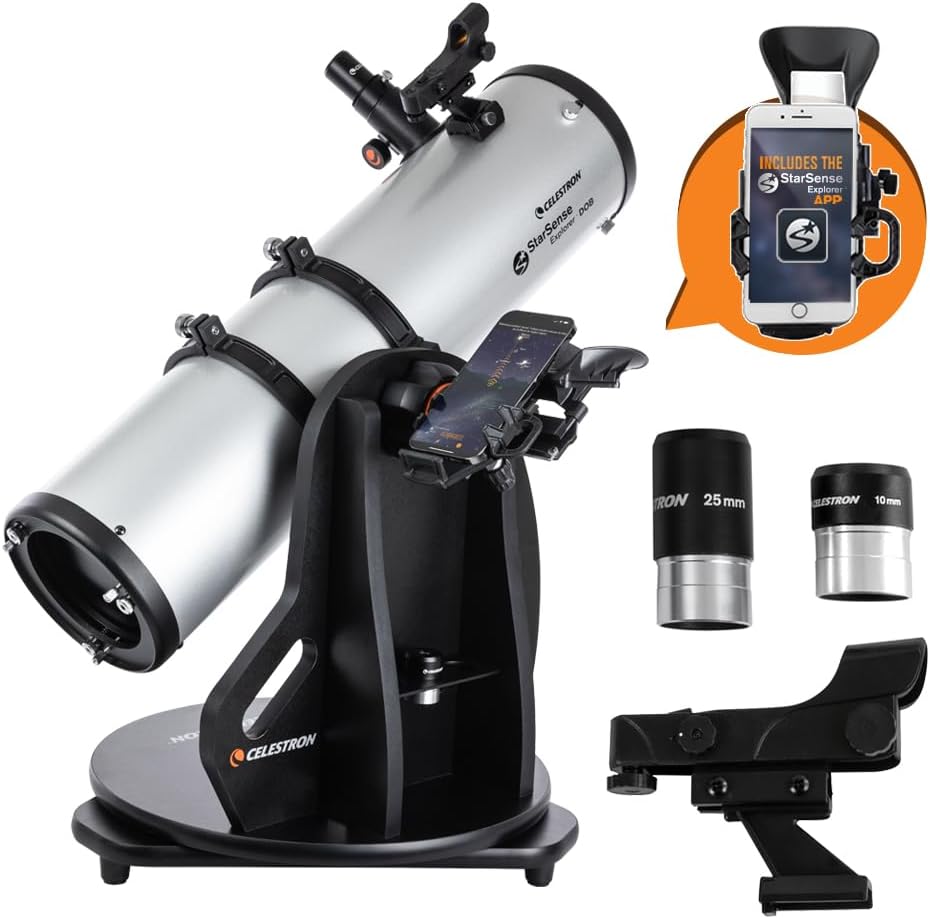
The Celestron StarSense Explorer 150mm uses smartphone technology to guide you to targets without manual alignment. This innovative approach eliminates the need for star charts or technical knowledge, making it accessible for all users. The app displays arrows to direct you on the target.
We may earn a commission when you buy through this link, at no additional cost to you.
Optically, the fifteen centimeter reflector provides vivid views of planets and deep-sky objects. The tabletop design ensures it is stable and easy to set up on any flat surface. The bullseye indicator turns green when your phone is locked on the object.
The primary limitation is the need for a smartphone connection which might be distracting or impractical for some. Also, it does not have a motorized mount, so tracking is manual. These factors are minor compared to the ease of use.
We recommend this for those who want a modern and intuitive experience. It is great for teaching astronomy to beginners or kids. If you value simplicity and technology integration, this telescope offers a unique and helpful experience.
Patented sky recognition technology turns your phone into a navigation system for accurate targeting.
The compact base can be placed on any flat surface for immediate and stable viewing.
We may earn a commission when you buy through this link, at no additional cost to you.
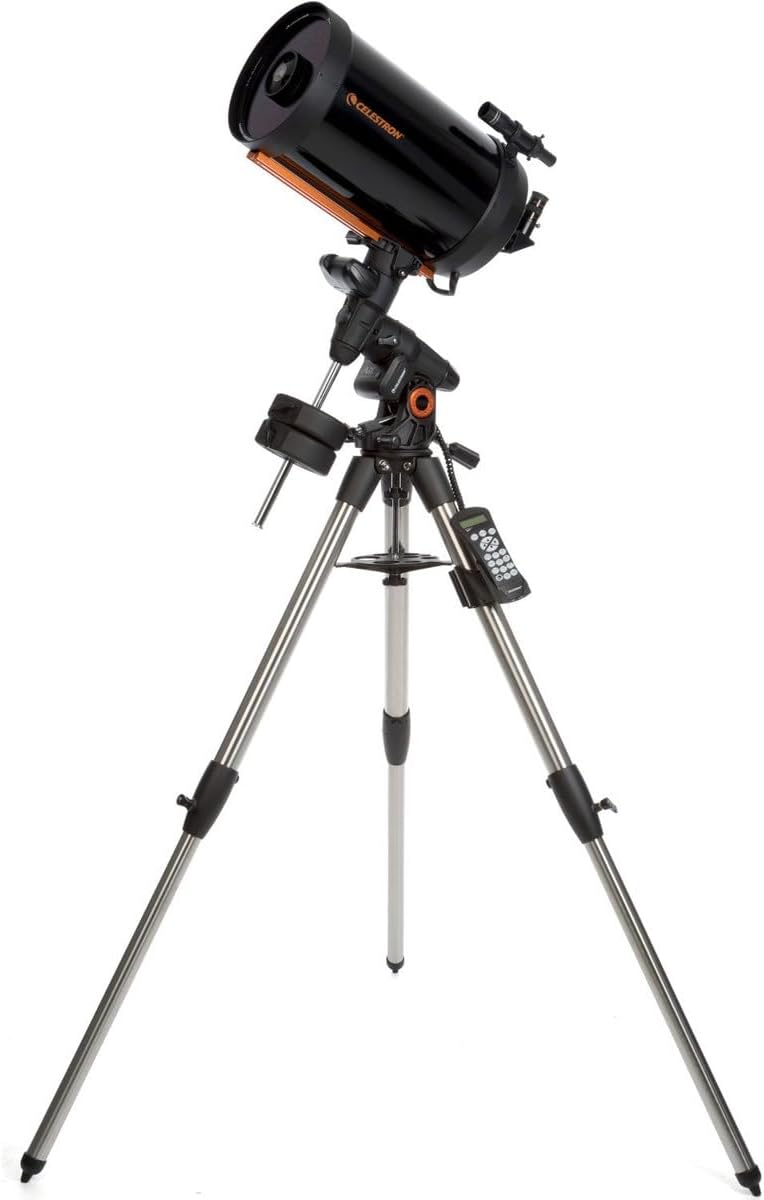
The Celestron Advanced VX 8 combines an eight-inch aperture with a robust equatorial mount for serious observation. This setup provides superior stability and tracking accuracy essential for detailed imaging and long viewing sessions. It is designed for users who demand precision.
We may earn a commission when you buy through this link, at no additional cost to you.
The mount supports up to thirty pounds allowing for additional accessories and cameras. The optics include StarBright XLT coatings which ensure high contrast and resolution for clear views. This build quality makes it suitable for advanced astrophotography.
The main trade-off is the weight and complexity of setup compared to alt-azimuth mounts. Assembling the mount and telescope takes more time and effort. However, the stability gains are significant for those seeking high performance.
We recommend this for observers moving towards imaging and serious stargazing. It is a strong platform for long-term use. If you value stability and optical quality over portability, this model is an excellent investment.
The sturdy stainless steel tripod provides a stable platform reducing vibrations during viewing.
Advanced coatings enhance contrast and clarity for detailed views of celestial objects.
We may earn a commission when you buy through this link, at no additional cost to you.
The Celestron Advanced VX 9.25 offers exceptional optical performance with a twenty-three centimeter aperture. This large size allows you to see stunning details of celestial objects with impressive clarity and brightness. It is a top choice for advanced astronomers.
We may earn a commission when you buy through this link, at no additional cost to you.
The Advanced VX mount ensures smooth tracking which is critical for both visual and imaging use. With high magnification potential, you can explore planets and galaxies in remarkable detail. This capability brings the cosmos closer than ever before.
The primary limitations are the high cost and weight which may require a permanent setup. Transporting the equipment requires a large vehicle and careful handling. Despite this, the optical performance justifies the effort for serious observers.
We recommend this for enthusiasts who want a serious observing platform. It is ideal for those interested in deep-sky views and photography. If you prioritize aperture and precision, this model delivers superior results.
The large aperture gathers ample light to reveal stunning details of faint celestial objects.
Computerized mount ensures smooth tracking of objects minimizing vibrations for steady views.
We may earn a commission when you buy through this link, at no additional cost to you.
The Celestron Advanced VX 6 offers a robust platform for observers seeking stability and optical quality. Its six-inch aperture provides excellent views of planets and bright deep-sky objects. This model is a balanced choice for those wanting an equatorial mount.
We may earn a commission when you buy through this link, at no additional cost to you.
The Advanced VX mount ensures precise tracking which is vital for long sessions. The StarBright XLT coatings enhance contrast for clear viewing. It is compatible with various accessories allowing for upgrades as skills grow.
The main drawback is the smaller aperture compared to larger models in the same series. This limits visibility of faint nebulae and galaxies. However, the performance remains strong for planetary observation and lunar viewing.
We recommend this for users valuing a stable platform for imaging. It is suitable for backyard observing without excessive bulk. If you want reliable tracking and quality optics, this scope is a solid option.
StarBright XLT coatings provide high contrast for detailed views of planetary surfaces.
The Advanced VX mount minimizes vibrations for steady tracking during observation.
We may earn a commission when you buy through this link, at no additional cost to you.
Selecting the right computerized telescope involves considering your experience level, observation goals, and budget. This guide explains the key factors to help you make an informed decision.
Aperture refers to the diameter of the primary lens or mirror and determines how much light the telescope gathers. A larger aperture allows you to see fainter objects and provides higher resolution for planetary details.
Choose an aperture that fits your budget and observation goals. Larger scopes offer better views but are heavier and more expensive to buy and transport.
The mount supports the telescope and determines how well it tracks objects as the Earth rotates. A stable mount reduces vibrations and ensures smooth viewing without shaking.
Look for sturdy mounts with sturdy legs. Equatorial mounts are better for long tracking while alt-azimuth are simpler for quick viewing.
A GoTo system uses motors to automatically move the telescope to selected objects. This feature is essential for beginners who may not know how to find stars manually.
Check the database size and alignment speed. Models with fast alignment and large databases save time and improve the viewing experience.
Different optical designs like Schmidt-Cassegrain or Newtonian reflectors have unique strengths. Each design affects image quality, portability, and maintenance requirements.
Consider what you want to view. Reflectors are often more affordable for larger apertures while catadioptrics offer compact designs.
Portability is key if you plan to travel to dark sky sites. Lighter telescopes are easier to carry but may sacrifice stability or aperture.
Weigh the importance of travel against optical performance. A balance ensures you can bring your telescope anywhere without hassle.
Accessories like eyepieces and finderscopes can enhance your experience. Some packages include these while others require separate purchases.
Look for bundles that include everything you need. This ensures you can start observing immediately without extra costs.
Computerized telescopes vary widely in price from entry-level to professional models. Your budget should reflect how often you plan to use the telescope.
Invest in quality optics and mounts if you are serious about astronomy. This ensures longevity and better satisfaction with your purchase.
Start by ensuring the telescope is level and stable before powering it on. Connect any cables and check the alignment settings to ensure accuracy during tracking. This initial preparation prevents errors during your observation session.
Use the hand control or app to select a target. If alignment is required, follow the on-screen instructions to center a bright star. Once aligned, the telescope will move to your chosen object automatically.
After use, cover the telescope to prevent dust buildup and remove the batteries to avoid corrosion. Store the unit in a dry place away from extreme temperatures. Proper care extends the life of the optics and electronics.
Computerized telescopes automate the process of finding and tracking celestial objects. This saves time and makes stargazing accessible for beginners who may not know the sky. They also provide a database of thousands of objects for exploration.
No, these telescopes are designed for ease of use. Many models include user-friendly interfaces and guides to help you set up. The automation reduces the need for manual knowledge of star charts.
You can view planets like Jupiter and Saturn, as well as moons, star clusters, and nebulae. The exact visibility depends on the aperture size and the darkness of your observing location.
Aligning usually involves leveling the mount and centering two or three bright stars as instructed. The system then calculates your position to ensure accurate tracking. Some models use smartphone technology for faster alignment.
Yes, many models support camera attachments for astrophotography. You will need a compatible mount and adapter to capture images effectively. Some scopes allow direct smartphone photography as well.
Maintenance is minimal but includes covering the scope to prevent dust and cleaning lenses gently. Check the battery and electronics periodically. Proper storage protects the device from damage.
We have reviewed ten top computerized telescopes for adults offering various options for different needs. Each model provides unique strengths from compact portability to large aperture power for deep-sky viewing.
Consider your budget and how often you plan to observe when making a choice. Prioritize stability and optical quality to ensure you get the best views and longevity from your equipment.
Prices and availability may change frequently so always verify the current listing before purchasing. We hope this guide helps you find the perfect telescope for your next stargazing adventure.