
ELEGOO UNO R3 Project Most Complete Starter Kit Compatible with Arduino
4.7Editor score
30+ guided electronics projects
Begin without soldering required
Flexible power and project setup
Explore the top electronics kits for teens in October 2026. This guide compares starter kits, robot cars, soldering projects, and sensor modules to help you
Finding the right electronics kit for teens can transform a hobby into a lasting career path. These tools introduce coding, circuitry, and engineering principles through hands-on projects that spark creativity. Whether your teen is new to technology or already building robots, the right kit provides structure and inspiration without overwhelming them.
We evaluated ten standout kits based on component quality, tutorial clarity, project variety, and ease of use. Our selection covers Arduino-compatible boards, snap circuits, soldering projects, and robotic vehicles. Each option balances educational value with fun, ensuring teens stay engaged while learning real-world technical skills that matter.
Every pick in this list showcases unique strengths for different skill levels and interests. From beginners needing no soldering to advanced builders ready for complex sensors, there is something here for everyone. Note that product details and availability can change, so verify current specs before purchasing to ensure the best fit.
4.7Editor score

4.7Editor score

4.5Editor score
This side-by-side comparison highlights the core features and capabilities of each kit. It helps you quickly identify which product aligns with your teen's current skill level and learning goals.


This comprehensive Arduino starter kit stands out with its massive component count and structured learning path. Rated highly by thousands of users, it bridges the gap between simple LED blinks and complex interactive systems. Teens get immediate access to RFID, real-time clocks, and motor controls without needing extra parts.
We may earn a commission when you buy through this link, at no additional cost to you.
The Mega 2560 board offers significantly more I/O pins and memory than standard boards, allowing for ambitious projects that combine many sensors at once. The included storage keeps components organized, reducing frustration during setup. Each lesson builds logically on the previous one, ensuring concepts are mastered before moving forward.
While the price is higher than basic UNO kits, the extra hardware justifies the cost for serious learners. The pre-soldered modules save time, but the sheer volume of parts can be overwhelming for absolute beginners. With adult guidance, however, this kit offers unparalleled educational value.
Highly recommended for teens ready to dive deep into electronics and coding. It serves as a long-term resource for STEM learning and hobby development. The ability to modify code and thresholds turns exercises into custom inventions quickly.
With over 200 components including sensors, motors, and displays, this kit supports diverse project types without requiring extra purchases.
Thirty-five guided lessons with example code help teens understand logic before they experiment independently.
We may earn a commission when you buy through this link, at no additional cost to you.
An ideal entry point for beginners, this UNO kit balances cost with capability. It includes everything needed to start coding and building immediately, with no soldering required. The projects progress from basic electronics to interactive systems like RFID access and motion detection.
We may earn a commission when you buy through this link, at no additional cost to you.
The kit provides a 9V power supply and battery options, removing the need to source extras separately. Components are pre-soldered where needed, simplifying setup. Teens learn core Arduino IDE concepts through example code that they can tweak to see real-world results.
While it lacks the memory capacity of the Mega board, the UNO is sufficient for most starter projects. Some parts like delicate sensors require careful handling, but the organized storage minimizes loss. It is a robust choice for schools or home labs on a budget.
Perfect for teens taking their first steps into electronics or coding clubs. The combination of practical projects and affordable pricing makes it a top pick for families. It encourages experimentation without financial risk.
Includes 9V power supply and battery options so you can start immediately without buying extra accessories.
Pre-soldered modules and a breadboard let beginners focus on logic rather than technical assembly.
We may earn a commission when you buy through this link, at no additional cost to you.
This robot car kit elevates standard electronics learning into a full robotics experience. With an onboard camera and Wi-Fi, teens can stream video and control the car remotely via app or remote. It transforms coding into a dynamic, interactive challenge.
We may earn a commission when you buy through this link, at no additional cost to you.
The chassis design uses keyed connectors to reduce wiring errors, making assembly smoother than traditional builds. Teens can explore line tracking, obstacle avoidance, and remote control modes, combining mechanical and software skills. The rechargeable battery ensures long play sessions.
While the complexity may be daunting for absolute beginners, the guided tutorials support the process. The cost is higher, but the unique FPV feature offers a modern twist on classic robotics kits. It inspires deeper interest in engineering and automation.
Best suited for teens with some Arduino basics who want a tangible, drivable project. It excels as a weekend family build or advanced club challenge. The visual feedback adds excitement that static projects lack.
Stream live video through the app for immersive control and observation of robot paths.
Ultrasonic and line-tracking sensors enable automatic obstacle avoidance and path following.
We may earn a commission when you buy through this link, at no additional cost to you.
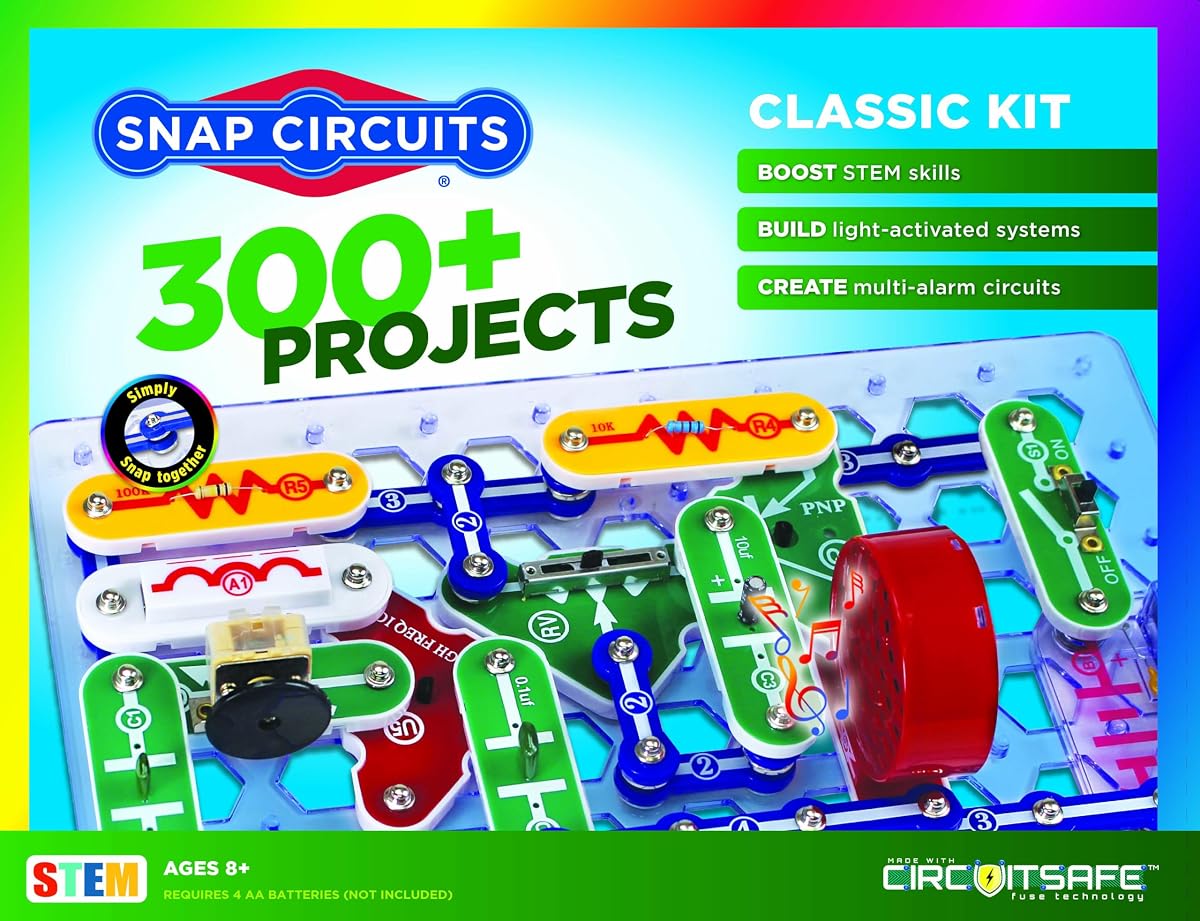
A timeless classic, this kit introduces electrical engineering through physical snap-together components. Teens can build radios, alarms, and toys without any coding or soldering. It is ideal for those interested in the physical side of electronics.
We may earn a commission when you buy through this link, at no additional cost to you.
The instruction book guides users through 300+ projects, progressing in complexity. Color-coded parts snap easily onto a grid, allowing quick circuit changes. It encourages curiosity and experimentation in a safe, tool-free environment.
While it lacks the coding component of Arduino kits, it provides a solid foundation in circuit theory. Some plastic parts may wear over time, but the value remains high. It is a great complement to more advanced kits.
Perfect for teens who want immediate results without a computer. It is also excellent for younger siblings or those exploring electronics casually. The awards and reviews confirm its educational quality.
Snap pieces together to light up circuits and sound alarms within minutes.
Recognized by top toy awards for safety and educational value.
We may earn a commission when you buy through this link, at no additional cost to you.
This kit lets teens build a fully functional Bluetooth speaker from scratch. It focuses on soldering skills and amplifier circuits, resulting in a usable device. Teens can connect via Bluetooth or TF card for music playback.
We may earn a commission when you buy through this link, at no additional cost to you.
The board is partially pre-soldered to reduce complexity. Users solder the LED board and wires, gaining practical experience. The acrylic case houses components neatly. It is a fun gift for makers and DIY enthusiasts.
Soldering experience is needed, which might deter absolute beginners. Audio performance is functional but not audiophile grade. Still, the process teaches valuable electronics and assembly skills. It is a satisfying project for those wanting a practical result.
Ideal for teens with basic electronics knowledge ready to try soldering. It is great for school STEM classes or dorm room projects. The final product serves as a conversation piece.
Ends with a working speaker you can actually use for music.
Designed to teach amplifier circuits and soldering techniques step by step.
We may earn a commission when you buy through this link, at no additional cost to you.
A streamlined version of the popular UNO kit, this super starter focuses on essentials. It includes 22+ lessons covering LEDs, motors, and displays. Teens learn logic and coding basics through practical examples.
We may earn a commission when you buy through this link, at no additional cost to you.
The kit is designed for beginners, with plug-in modules and pre-soldered headers. It includes useful accessories like a joystick and fan blade. The layout is clean, avoiding clutter. It is perfect for homeschool units or quick projects.
While it lacks some advanced sensors found in larger kits, it covers fundamentals well. The price is lower, making it accessible. It might require buying extra parts for larger projects later.
Best for teens needing a focused, budget-friendly start. It builds confidence for larger builds. The PDF tutorials support self-paced learning at home.
Twenty-two lessons cover core concepts without overwhelming complexity.
Pre-soldered modules mean immediate results without assembly frustration.
We may earn a commission when you buy through this link, at no additional cost to you.
This kit builds a speaker with a unique LED light show feature. Teens assemble the circuit and solder the components. The result is a speaker that pulses lights to music, adding visual excitement.
We may earn a commission when you buy through this link, at no additional cost to you.
It includes a purple PCB, dual speakers, and clear acrylic case. The manual is detailed with photos for every step. It is designed for those with basic soldering experience, not absolute beginners.
The LED visualizer is a standout feature that keeps teens engaged. While it is a single project, it teaches circuits and soldering well. It is an affordable fun option for DIY projects.
Perfect for teens interested in audio or visual effects. It makes a great gift for hobbyists. The project is manageable and rewarding.
LED visualizer syncs with music for a vibrant light show.
High-resolution manual ensures easy assembly for teens.
We may earn a commission when you buy through this link, at no additional cost to you.
This unique kit lets teens build a theremin that plays music by waving hands. It teaches physics of capacitance and electric fields. No tools are required as parts snap onto a breadboard.
We may earn a commission when you buy through this link, at no additional cost to you.
The manual is colorful and easy to follow. Teens learn how circuits create sound without traditional instruments. It is a fun science experiment that ends with a playable device.
It is less focused on coding and more on physical electronics. The project is limited but impactful. It is great for sparking curiosity about how electricity works.
Best for teens interested in music or physics. It is a standout gift for science lovers. The final result is surprising and entertaining.
Create your own instrument that responds to electric fields and hand movements.
Snap parts onto a breadboard with no soldering needed.
We may earn a commission when you buy through this link, at no additional cost to you.
This kit adds 37 unique sensors and modules to existing Arduino projects. It includes motion, temperature, sound, and touch sensors. Teens can use it to expand existing builds or prototype new ideas.
We may earn a commission when you buy through this link, at no additional cost to you.
It is designed as an add-on, so teens need a controller board. The included tutorial helps integrate the modules into existing code. It is ideal for makers who want to experiment with different inputs.
The lack of a controller makes it an advanced choice. However, it offers incredible value for sensor diversity. It saves time and money compared to buying individual modules.
Best for teens already working on projects who need more inputs. It is a great next step after a starter kit. It unlocks endless creative possibilities.
From motion to sound and light, test many different data inputs.
Expand existing UNO or MEGA projects without buying full kits.
We may earn a commission when you buy through this link, at no additional cost to you.
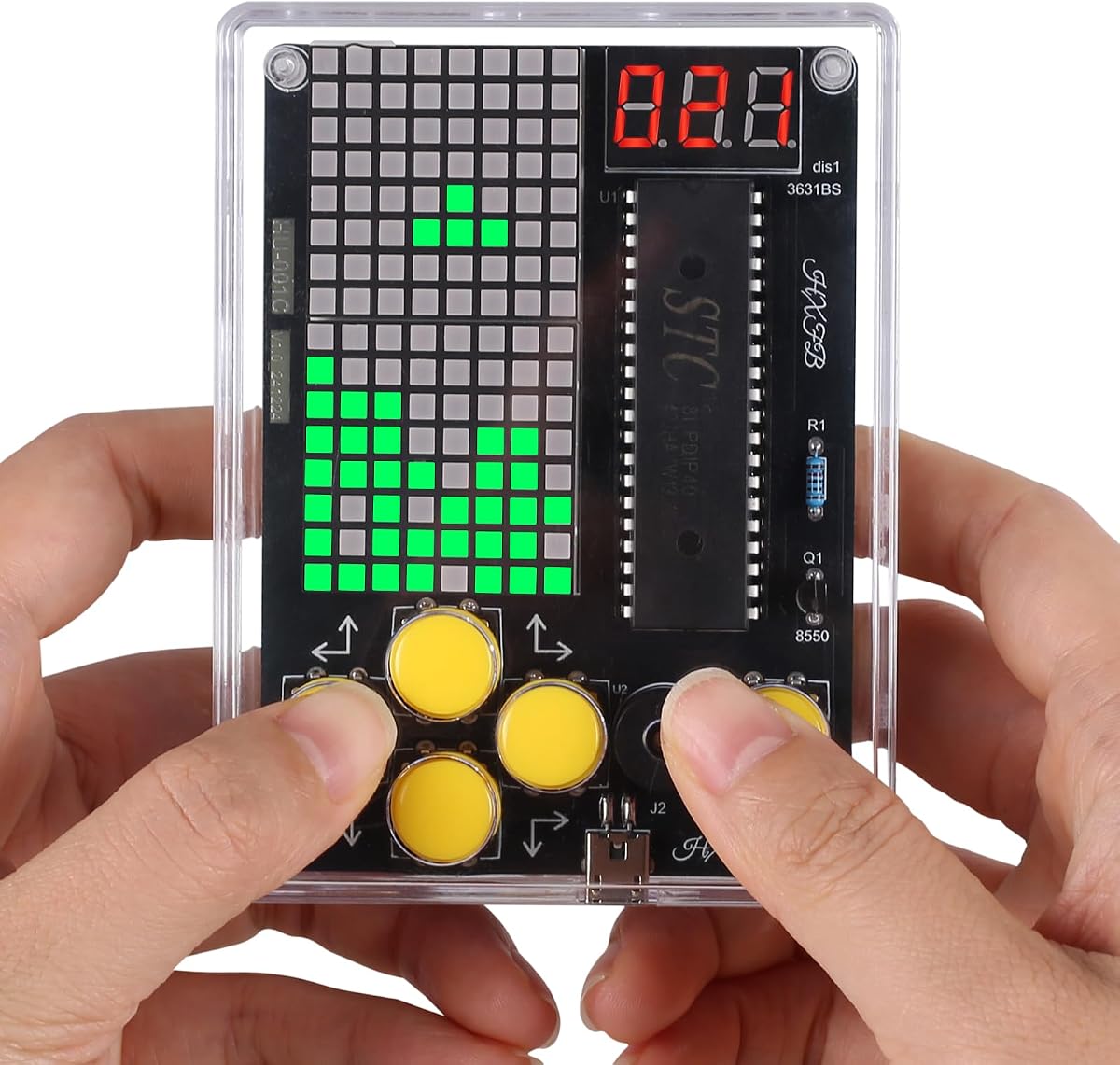
This soldering kit builds a device with seven interactive functions. Teens can assemble components and test different modes. It is designed for teens 15 and above with some skills.
We may earn a commission when you buy through this link, at no additional cost to you.
It includes three difficulty levels for progressive practice. Video guidance supports assembly for clarity. It is good for school workshops or group learning. The final product is a game controller.
It requires more manual precision than snap kits. However, it teaches soldering and circuit assembly. It is limited to gaming but fun for that purpose.
Best for teens ready to tackle a challenging build. It fits well in classroom settings. It encourages teamwork and careful assembly.
Seven built-in game modes for varied interactive experiences.
Three difficulty levels help you build skills step by step.
We may earn a commission when you buy through this link, at no additional cost to you.
Choosing the right electronics kit depends on your teen's current skills and interests. This guide breaks down key factors to help you select the most suitable option.
Some kits require soldering, while others use snap-together or plug-in components. Soldering kits offer practical skills but demand patience and care. If your teen is new to electronics, start with a no-solder option to build confidence. Once comfortable, move to soldering kits for deeper technical learning.
Look for kits with clear instructions if soldering is needed. Pre-soldered modules can bridge the gap between beginners and advanced builders.
Decide if your teen wants to focus on programming or physical circuitry. Arduino kits combine coding with electronics, while snap kits focus on circuits. Coding skills are valuable for future tech careers, but physical electronics teach foundational theory.
If your teen enjoys software, prioritize kits with tutorials and code. For physical learners, choose kits with many parts and interactive devices.
A good kit should include a range of components like sensors, motors, and displays. More variety means more project possibilities. Kits with over 200 parts allow teens to build complex systems without buying extras.
Check the inventory list to ensure it has what you need for specific interests like robotics or home automation.
Clear tutorials and example code are essential for learning. Look for kits with written guides, videos, and diagrams. Quality tutorials explain not just how but why steps are taken.
Kits with online resources and community support offer ongoing help. This ensures teens don't get stuck when they encounter challenges.
Consider how the kit is powered. Some include batteries and supplies, while others require you to source them. Having a complete power solution saves time and frustration.
Kits with rechargeable batteries are convenient for mobile projects. USB power is common but may limit mobility during testing.
Electronics kits range widely in price. Basic starter kits are affordable, while robotics or advanced kits cost more. Set a budget based on how long you expect the kit to last.
Sometimes paying more upfront for a comprehensive kit saves money later by avoiding extra purchases. Look for value bundles that include storage and tools.
Ensure the kit matches your teen's current knowledge. Overly complex kits can lead to frustration. Look for age recommendations and complexity ratings to find a good fit.
Start simple and graduate to advanced kits. This progression keeps learning engaging and prevents burnout.
A versatile kit supports different types of projects. Check if the kit can be used for multiple goals like home automation, games, or sensors.
Kits that encourage modification allow teens to create original projects. This flexibility fosters creativity and deeper learning.
Always follow the tutorial steps in order. Skipping steps often leads to wiring issues that are hard to fix. Take photos of your setup before unplugging to help with reassembly later.
Store components in labeled containers to keep them organized. Losing small parts like resistors can halt progress. A good storage box or compartmentalized case prevents this.
When soldering, use proper safety gear and ventilation. If a component stops working, check connections before replacing it. Most issues are loose wires rather than broken parts.
No, most beginner kits are designed for those without coding experience. They include step-by-step tutorials and example code. Teens can learn basic programming concepts alongside electronics.
Yes, many are used in STEM classrooms and coding clubs. They provide hands-on learning that complements theoretical lessons. Teachers appreciate the structured lessons and safety features.
Arduino kits involve coding and flexible electronics. Snap kits focus on physical circuits without coding. Choose Arduino for programming interest, snap for quick circuit results.
Most Arduino kits need a computer for coding and uploading. Snap kits often do not. Check product specs to see if a PC is necessary for your chosen kit.
Yes, many kits are expandable with extra sensors or modules. The Mega and Uno boards are modular. You can add components as your teen's skills grow.
Setup and first project take 1-3 hours. Full kit exploration can take weeks. It depends on the complexity and how much time is spent experimenting.
Most are safe with adult supervision. Soldering kits need heat safety. Batteries should be handled correctly. Follow instructions to avoid shorts or burns.
The Smart Robot Car Kit is best for robotics. It includes motors, sensors, and app control. It combines mechanical assembly with programming for full robot experience.
This guide highlighted top options like the Mega 2560 Kit for depth, UNO kits for value, and Robot Car for advanced robotics. Each offers unique benefits based on skill level and interests. Consider what your teen enjoys most before purchasing.
Prioritize kits with clear tutorials and components that match their goals. If coding is key, choose an Arduino set. For physical circuits, snap kits work well. Always check compatibility with your current hardware.
Prices and availability can fluctuate. Verify the latest specs and reviews before buying to ensure the best value. The right kit can spark a lifelong passion for technology and engineering.