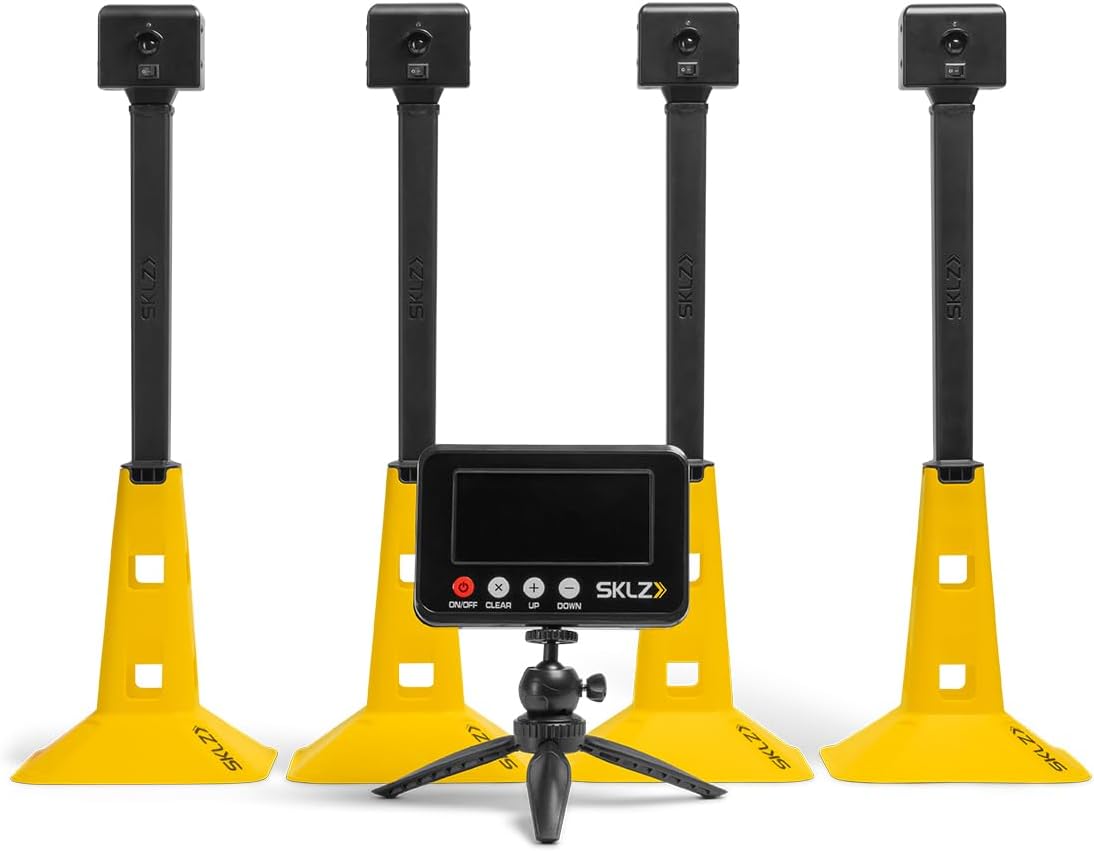
Speed Gates Pro
3.7Editor score
Affordable entry level option
Includes carry bag for transport
Supports up to 50 yards
This comprehensive guide compares the top 10 Electronic Sprint Timing System models to help you find the perfect tool for speed training and athletic performanc
Finding the right timing solution is crucial for athletes and coaches who want to track progress accurately. An Electronic Sprint Timing System provides precise measurements that manual stopwatches simply cannot match, allowing for detailed performance analysis and targeted training adjustments.
We evaluated ten leading models based on accuracy, ease of use, portability, and overall value. Our comparison covers various technologies including laser, radio frequency, and infrared sensors to ensure you find a system that meets your specific training environment needs.
Each selection highlights key strengths and potential limitations so you can make an informed decision quickly. Remember that product specifications and availability can change over time so always verify current details before making your final purchase decision online.
3.7Editor score

5.0Editor score

The following table provides a side by side overview of the top ten electronic sprint timing systems available this month. Review the specifications and features to identify the model that aligns best with your training requirements and budget constraints.


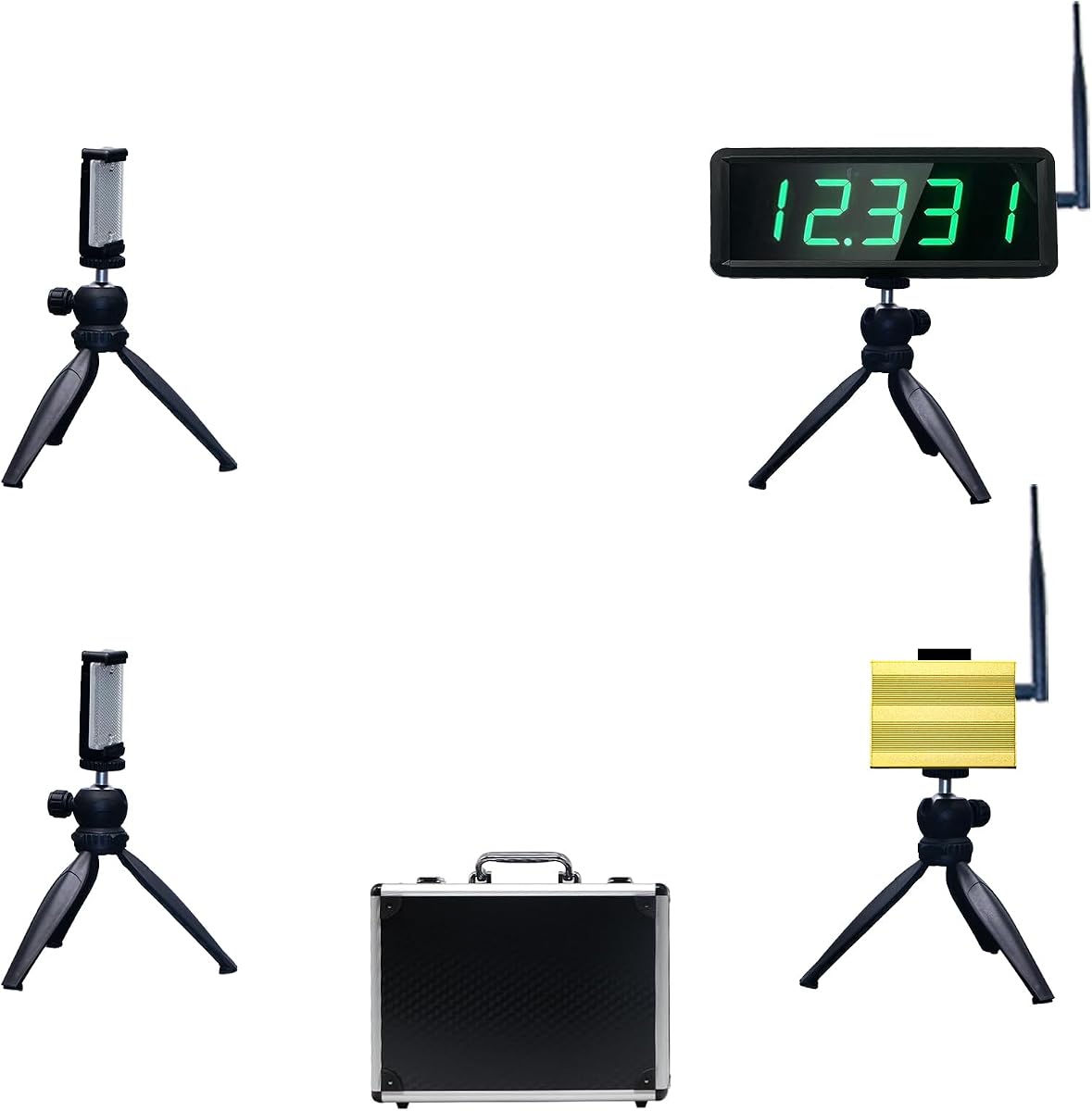


The Dashr 2.0 Timing Systems stands out as the top choice for serious athletic programs needing reliable data. With a perfect five star rating this model delivers unmatched consistency for measuring speed across multiple lanes or drills simultaneously.
We may earn a commission when you buy through this link, at no additional cost to you.
Its three gate configuration allows coaches to track split times and overall performance in one session. The laser reflectors ensure precise detection even in varying light conditions which is critical for accurate speed analysis.
While the cost is higher than basic models the investment pays off through durability and data integrity. Users report minimal calibration needs and excellent support for professional training environments.
Choose this system if you prioritize accuracy and scalability for team training. It remains the gold standard for facilities serious about athlete development.
The system maintains millisecond precision across repeated trials ensuring data integrity for athlete assessments.
Multiple gate options enable complex drill configurations without compromising timing accuracy during peak usage.
We may earn a commission when you buy through this link, at no additional cost to you.
The Power Systems Brower TCi represents the pinnacle of timing technology for high stakes environments. Its unique redundant transmission system ensures no start or finish signal is ever missed during critical performance tests.
We may earn a commission when you buy through this link, at no additional cost to you.
The wireless sync feature eliminates cable management issues while the signal strength analysis provides immediate feedback on system health. This level of control is unmatched in consumer grade products.
Coaches appreciate the hands free operation which allows for smoother workflow during large group sessions. However the setup requires technical familiarity and patience to configure multiple channels correctly.
Invest in this system for large competitions or professional facilities where data loss is unacceptable. It is the definitive choice for enterprise level athletic programs.
Redundant transmissions guarantee every timing event is recorded even if interference occurs during the session.
Thirty two independent channels allow multiple timers to run side by side without signal conflict.
We may earn a commission when you buy through this link, at no additional cost to you.
The Speed Gates Pro offers an accessible entry point for those needing reliable speed tracking without a high cost. It supports up to fifty yards making it suitable for standard sprint drills and agility training sessions.
We may earn a commission when you buy through this link, at no additional cost to you.
Radio frequency sensors provide consistent detection without line of sight requirements which simplifies positioning. The included carry bag ensures portability so coaches can easily move between field locations.
While its rating is lower than premium options it remains a solid choice for schools and casual training. Rechargeable batteries reduce ongoing costs though users should monitor charge levels during heavy use.
Select this model if budget is your primary concern but you still need structured timing. It delivers good value for community clubs and beginner programs.
Fifty yard capability covers most standard sprint distances making it ideal for basic speed assessments.
Integrated carry bag protects all components and simplifies transport for field based training sessions.
We may earn a commission when you buy through this link, at no additional cost to you.
The Powered Wireless Laser Timer excels in adaptability thanks to its adjustable tripod system that supports various athlete heights. This feature ensures precise laser alignment for both youth and adult sprinters without needing additional gear.
We may earn a commission when you buy through this link, at no additional cost to you.
The HD display remains visible in direct sunlight which is crucial for outdoor track practice. Controls are located on the body so you avoid losing a remote while managing drills in real time.
Battery life extends up to eight hours of continuous use making it reliable for full day events. Users note a slight learning curve for switching modes but the versatility covers many sports.
Choose this timer for diverse training needs requiring height flexibility. It balances performance and practicality for most athletic environments.
Adjustable tripods let you match sensor height to athlete profile for consistent beam break detection.
High definition display ensures clear readings even under bright sunlight during summer track sessions.
We may earn a commission when you buy through this link, at no additional cost to you.
This timer delivers impressive precision with its ability to measure down to one thousandth of a second. Such accuracy is essential for competitive athletes needing to track marginal improvements in their performance over time.
We may earn a commission when you buy through this link, at no additional cost to you.
The wireless range extends up to four hundred meters giving coaches flexibility in placement. The LED display is designed to resist light interference ensuring clear visibility indoors or outdoors.
While the tripod is smaller you can purchase high brackets separately for elevated setups. The battery requires five hours of charge but provides eight hours of continuous operation.
Select this for competitive track and field environments where fractional gains matter. Its precision rivals more expensive systems.
Three decimal place timing ensures every fraction of a second is captured accurately for elite analysis.
LED display filters ambient light so readings remain clear during sunny outdoor training sessions.
We may earn a commission when you buy through this link, at no additional cost to you.
The SKLZ Speed Gates are designed for fast team setup with indicator lights that confirm alignment in seconds. This reduces downtime during drills allowing coaches to focus on athlete performance rather than equipment adjustments.
We may earn a commission when you buy through this link, at no additional cost to you.
Storing fifty recent times enables side by side comparisons which is valuable for team tryouts or progress tracking. The bright LED display works well in various lighting conditions common in gyms and fields.
While limited to twenty yards it covers standard shuttle and agility drills perfectly. The complete kit includes cones and sensors making it ready to use straight out of the box.
Pick this for youth sports and team fitness assessments. It simplifies speed testing for coaches managing multiple athletes.
Sensor lights confirm connection quickly saving setup time during busy training sessions.
Fifty time memory allows coaches to compare recent athlete performance without external note taking.
We may earn a commission when you buy through this link, at no additional cost to you.
The YZ Laser Timer offers excellent portability with its dedicated toolbox packaging that keeps all components organized. This makes it ideal for coaches traveling between locations who need a reliable setup without loose parts.
We may earn a commission when you buy through this link, at no additional cost to you.
Accuracy reaches one thousandth of a second ensuring detailed performance data. Battery life provides ten hours of use so you can run multiple sessions on a single charge.
The stand design offers stability for the laser unit during intense drills. Most users find the accuracy consistent though the setup requires reading the manual carefully.
Choose this for frequent transport needs where organization matters. It balances precision with convenience well.
Toolbox keeps timer and stands secure during transport reducing risk of lost components.
Ten hour battery supports full training days without needing to stop for recharging.
We may earn a commission when you buy through this link, at no additional cost to you.
This system provides six distinct usage modes covering single timer and monitoring scenarios. The flight case ensures all components are protected during transit making it suitable for traveling teams.
We may earn a commission when you buy through this link, at no additional cost to you.
Battery life supports seven hours of continuous use which is adequate for most practices. The high tripod stand accommodates taller athletes without additional accessories.
Users have mixed reports on reliability so testing before critical events is advised. The antenna setup is simple but essential for proper function.
Select for versatile mode needs but ensure testing. It offers value through its protective case.
Six modes support sprints monitoring and intervals for different coaching scenarios.
Flight case prevents damage during transport keeping equipment ready for immediate use.
We may earn a commission when you buy through this link, at no additional cost to you.
The Speed tech Single Training version works for a wide range of sports including skating and cycling. Its infrared induction system ensures reliable detection even for slower moving targets.
We may earn a commission when you buy through this link, at no additional cost to you.
Wireless communication extends up to five hundred meters giving immense flexibility for large tracks. Operation is simple requiring just power and a reset tap to start.
You need a power bank to run the device which adds a slight complexity. Also keep antennas spaced to prevent interference issues.
Choose this for diverse track or event applications. It covers unusual timing needs at a low price.
Five hundred meter range works well for large tracks or field setups.
USB power allows use anywhere without fixed outlets during outdoor events.
We may earn a commission when you buy through this link, at no additional cost to you.
The TimeRider Laser Timing System combines high precision with a durable body designed to withstand training environments. It delivers measurements down to one thousandth of a second for accurate speed tracking.
We may earn a commission when you buy through this link, at no additional cost to you.
Dual power options let you use rechargeable batteries or plug in power for extended sessions. The wireless design removes cables from the training area reducing tripping hazards.
The adjustable stand fits various scenes and the portable case aids transport. While newer in the market it matches top tier specs.
Select this for rugged use where reliability matters. It offers solid performance for active coaches.
Solid construction resists bumps ensuring consistent performance over multiple seasons of use.
Choose between rechargeable battery or plug in power for uninterrupted operation during long events.
We may earn a commission when you buy through this link, at no additional cost to you.
Selecting the right electronic sprint timing system involves considering several critical factors to ensure it meets your training needs and budget.
Accuracy is the most critical factor for any timing system. Look for devices that measure down to at least one hundredth of a second. Professional settings often require millisecond precision.
Prioritize systems with proven accuracy in independent reviews.
Sensor type affects reliability and ease of use. Laser sensors offer precision but need line of sight while radio frequency sensors work through obstacles.
Choose based on your training environment obstacles.
Ensure the system supports the distance you train. Common ranges vary from twenty to fifty yards depending on the model.
Check max yardage before purchasing.
Long battery life supports uninterrupted training sessions. Look for models offering at least eight hours of use on a single charge.
Dual power options add flexibility.
If you move between locations often a carry bag or case is essential. Lightweight designs reduce transport fatigue.
Ensure all components fit securely.
Time spent calibrating is time not training. Systems with indicator lights or simple controls save valuable minutes.
Review setup complexity carefully.
Built in memory stores recent times for review and comparison. This is vital for tracking progress over time.
Look for capacity of at least fifty runs.
Balance cost with features. Entry level models are affordable but may lack advanced modes.
Invest in professional models for high stakes needs.
Start by placing the start and finish sensors at your desired distance. Ensure they are level and aligned so the beam breaks cleanly when athletes pass.
Test the system with a few dry runs before official timing. Check the display reads correctly and that memory functions work as expected.
After each use wipe down sensors and store them in their protective case. Avoid exposing electronics to rain or extreme heat to maintain longevity.
Laser sensors use light beams for precision but need line of sight. Radio frequency sensors work through obstacles which helps in cluttered environments. Choose laser for open tracks and RF for complex setups.
Battery life varies by model but most offer between eight and ten hours of continuous use. Some systems support rechargeable batteries while others use AA cells. Check specs before purchase.
Many systems support split timing with multiple gates. This lets you measure speed at intermediate points not just the finish. Look for multi gate models if splits are essential.
Yes most models work indoors but ensure you have enough space for the range. LED displays help visibility under artificial light. Avoid direct interference from other wireless devices.
Most modern systems use body buttons or wireless triggers. Remotes are optional on some models and body buttons reduce the risk of losing them. Check interface options.
Typically a zero or reset button clears the current time. Some systems auto reset after a delay. Refer to the manual for specific reset instructions on your model.
Most support up to fifty yards but some go further. Standard models cover forty to sixty yards for track. Confirm max range based on your field size.
Higher end systems support multiple independent channels. This allows simultaneous timing for multiple lanes without interference. Check channel capacity for large group sessions.
The Dashr 2.0 offers the best all around experience for professional needs while the Speed Gates Pro provides budget friendly value for casual use. Power Systems Brower TCi leads the premium tier with advanced features.
Prioritize accuracy and portability based on your training frequency. High stakes environments demand professional models with redundant features for reliable data.
Always verify current pricing and availability before purchasing as details may change over time. Select the system that aligns best with your specific athletic goals.