
SUNLU High Toughness 3D Printer Resin
4.7Editor score
Low viscosity and high flowability
Reduced volume shrinkage
Compatible with most 3D printers
This guide compares the top flexible resins for 3D printing to help you choose the best material for durability, flexibility, and print quality in October 2026.
Flexible resin for 3D printing offers a unique blend of durability and elasticity that standard materials cannot match. Whether you need shock absorbing components or soft grips, these photopolymer resins deliver rubber like performance with high precision.
We evaluated ten leading flexible resins based on their Shore hardness, elongation at break, print speed, and overall durability. Our analysis focuses on real world performance metrics and compatibility with common LCD DLP and SLA printers to ensure reliable results.
Each pick highlights specific strengths like low odor fast curing or exceptional impact resistance for various applications. Please note that availability and pricing may change frequently so check the latest details before making your final purchase decision today.
4.7Editor score
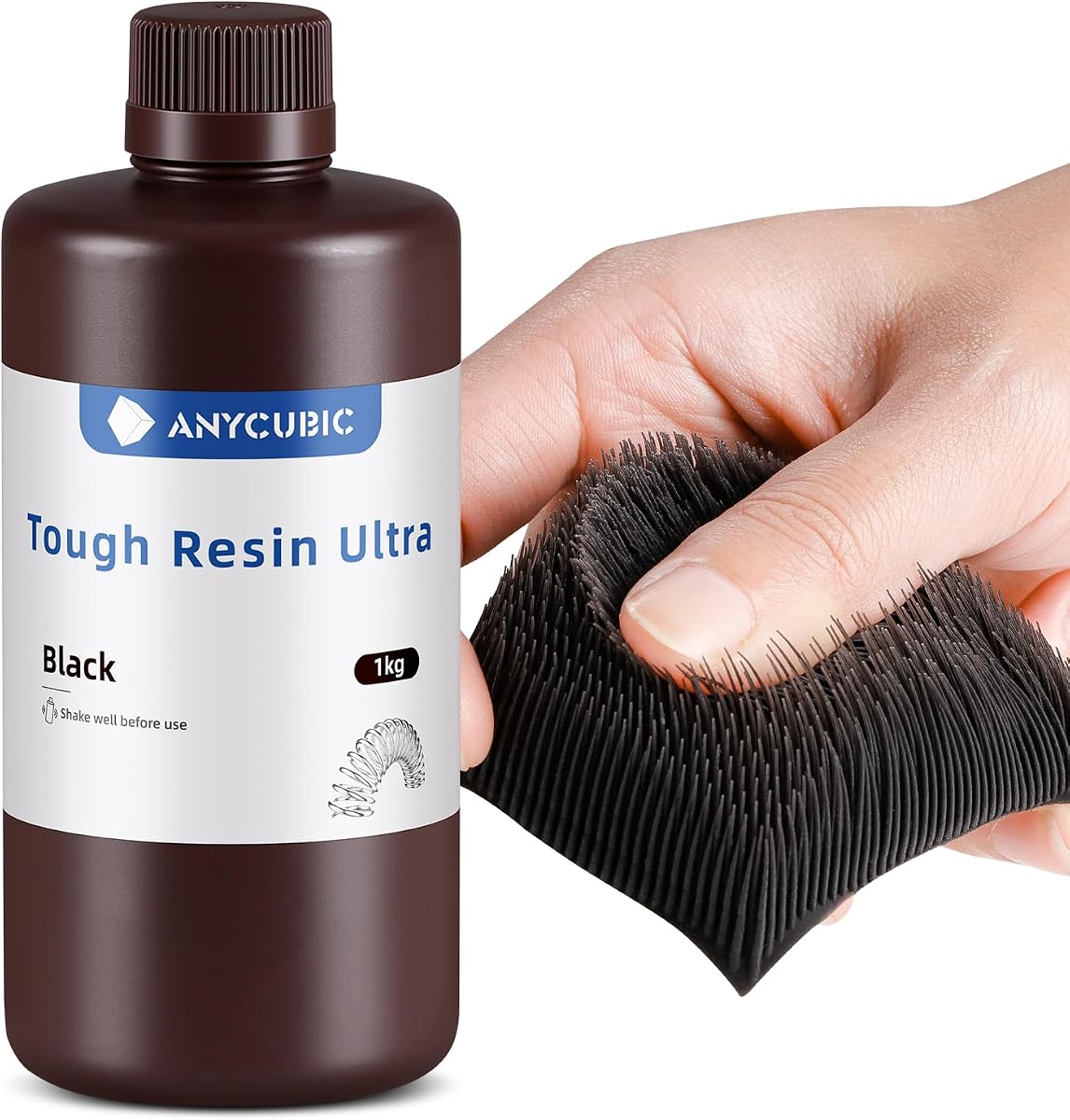
4.7Editor score
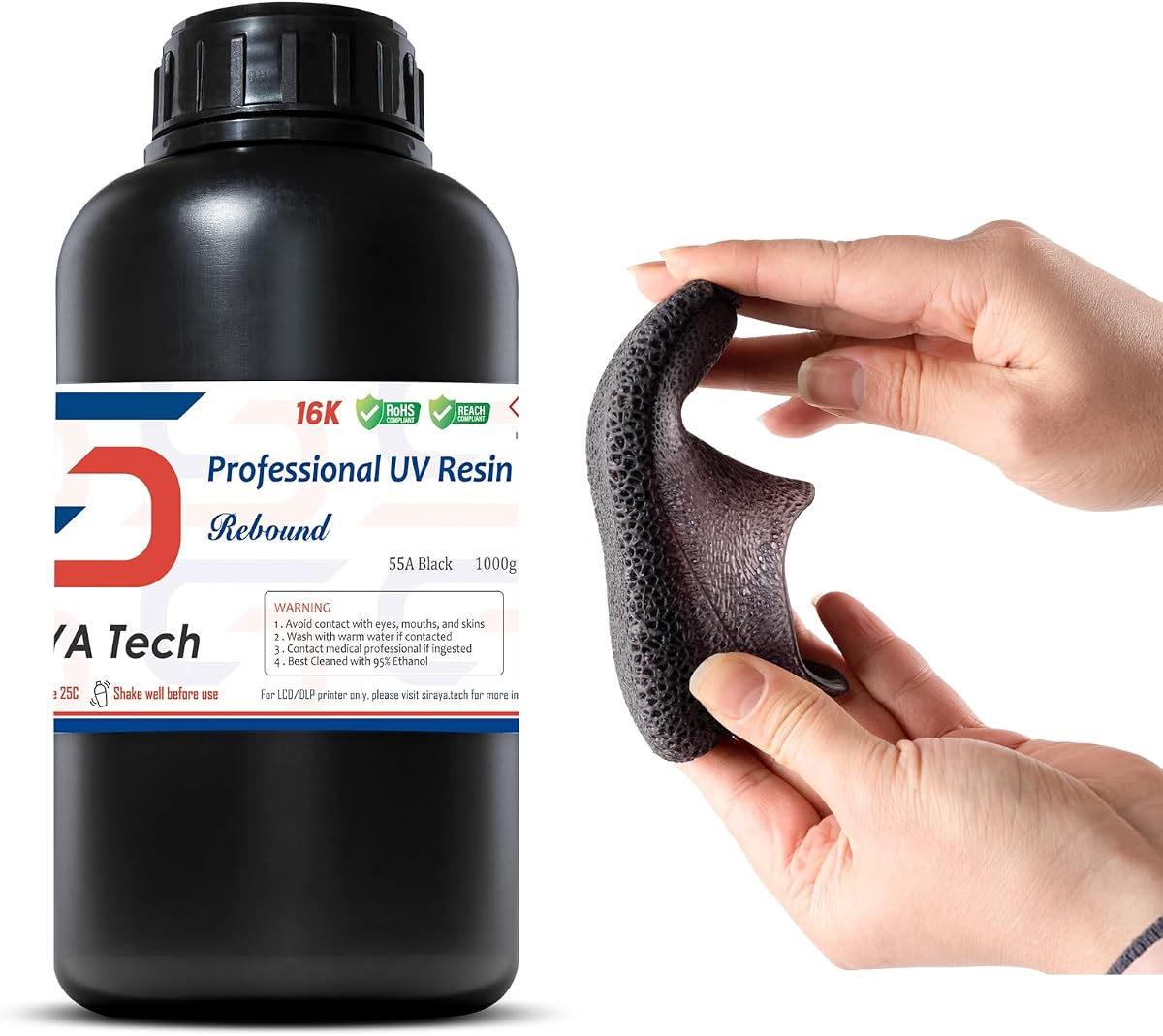
4.2Editor score
The following comparison table provides a side-by-side overview of all ten flexible resins evaluated in this guide. It highlights key specifications and unique features to help you quickly identify the best option for your specific 3D printing needs and printer compatibility.


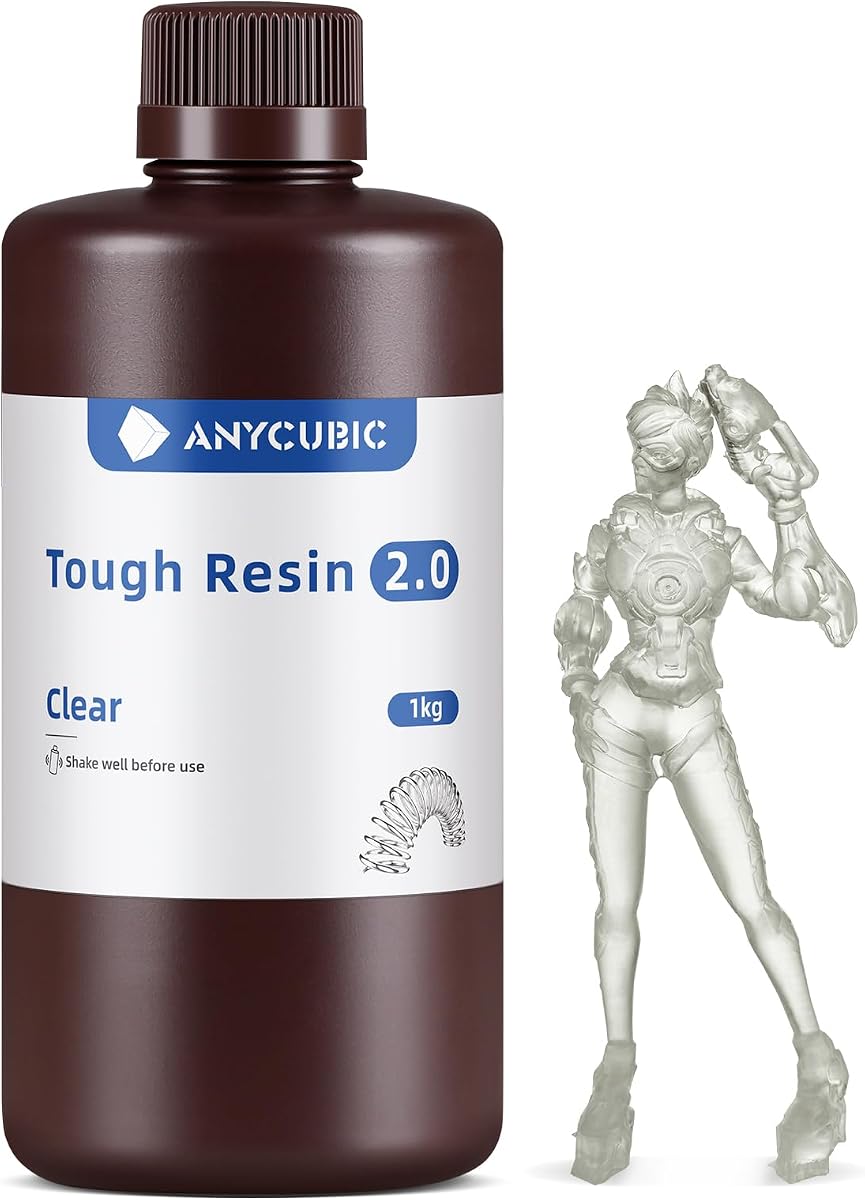

The ANYCUBIC Ultra Tough Resin stands out as a top choice for users seeking exceptional flexibility and durability in their 3D prints. With a high rating and impressive specs, this material delivers outstanding toughness that resists damage from external forces effectively.
We may earn a commission when you buy through this link, at no additional cost to you.
Its ability to recover its original shape quickly makes it ideal for articulated models and items requiring constant movement. The resin also offers a gentle skin sensation, making it suitable for wearable projects like earphone covers or cosplay props without irritation.
While it performs well as a standalone material, users should note that mixing it with other colors may alter the final model appearance. This trade-off is acceptable given its superior durability and adaptability in high humidity or damp environments.
If you need a reliable flexible resin that balances strength and elasticity, this product is a strong recommendation. It excels in creating functional prototypes and durable parts that withstand stress without breaking or losing shape over time.
This resin maintains resilience under extreme conditions ensuring prints do not crack when dropped or bent frequently.
Users appreciate the non-irritating surface which enhances comfort for any project intended for direct contact with skin.
We may earn a commission when you buy through this link, at no additional cost to you.
SUNLU High Toughness 3D Printer Resin offers exceptional value for makers needing durable yet flexible prints without breaking the bank. Its high toughness profile ensures models remain unbreakable and resistant to stress during daily use or testing phases.
We may earn a commission when you buy through this link, at no additional cost to you.
The low viscosity allows for smoother layering and faster curing times which enhances overall print quality and reduces failure rates. Users can achieve crisp details with minimal shrinkage ensuring parts fit together accurately after post-processing steps.
While the grey color is practical for industrial or prototype parts it might not be ideal for cosmetic models requiring specific hues. This limitation is minor compared to the cost effectiveness and reliability this resin provides for structural applications.
For budget conscious users prioritizing performance over color variety this resin is a smart choice. It delivers consistent results and handles bends without cracking making it perfect for functional prototypes and robust mechanical components.
Elongation levels five times higher than standard resin ensure parts survive drops and repeated bending without failure.
Advanced formulation reduces volume changes during curing so dimensions stay true and distortion is minimized.
We may earn a commission when you buy through this link, at no additional cost to you.
Siraya Tech Rebound 55A is a premium option designed for applications where quick shape recovery and high elasticity are critical. It provides a unique balance of softness and strength that mimics industrial rubber materials for professional prototyping needs.
We may earn a commission when you buy through this link, at no additional cost to you.
Its fast rebound action makes it suitable for shock absorbing parts like gaskets seals or protective equipment that must withstand compression cycles. The material cures easily on standard LCD and DLP printers without requiring special mixing or cleaning procedures.
While initial tests show good resilience long term durability under extreme conditions is still being validated by the manufacturer. This uncertainty along with the higher cost may deter casual users but professionals will appreciate its specialized performance traits.
If you need a high performance flexible resin for demanding industrial prototypes this is a top recommendation. It excels in creating parts that must flex repeatedly while returning to their original shape quickly and reliably.
The resin returns to form quickly after compression making it ideal for dynamic applications requiring consistent bounce.
Standard cleaning methods simplify the post-processing steps saving time and reducing complexity for makers.
We may earn a commission when you buy through this link, at no additional cost to you.
Superflex 3D Printer Resin delivers a balanced mix of softness and strength ideal for simulating rubber or TPU materials. Its clear formulation allows users to inspect internal details easily while maintaining the flexibility needed for functional prototypes.
We may earn a commission when you buy through this link, at no additional cost to you.
The fast printing capability significantly boosts productivity for farms or frequent users by reducing layer times and electricity usage. Combined with its ISO certification it ensures the cured material meets safety standards for specific applications like medical devices.
The 500g size may require more frequent refills for large projects compared to larger 1kg options available on the market. However this format is convenient for smaller tests or users wanting to try the material before committing to bulk quantities.
For those needing a fast and safe flexible resin with clear visibility this product is a solid pick. It handles shock absorption well and is great for cushioning components that need to be both durable and transparent.
Layer times as low as 1.7 seconds enable faster turnaround for batches and reduce overall print farm energy costs.
ISO 10993-5 testing ensures the resin meets biocompatibility standards when properly cleaned and cured.
We may earn a commission when you buy through this link, at no additional cost to you.
SUNLU Flexible 3D Printer Resin targets users needing soft and bendable items without the risk of brittleness. Its gray color and low odor formula make it a comfortable choice for home workshops or enclosed printing environments.
We may earn a commission when you buy through this link, at no additional cost to you.
The high elongation at break indicates strong flexibility allowing models to bend significantly without snapping during use. Post curing yields a smooth non-sticky surface that feels pleasant to the touch and provides accurate dimensions with minimal shrinkage.
While it offers good stability against acids and greases some users report a learning curve to achieve the best non-sticky finish. This trade-off is acceptable for those prioritizing flexibility and low odor in their 3D printing workflow.
If you value comfort during printing and reliable flexibility for prototypes this resin is worth considering. It is compatible with most common printers and delivers consistent results for general flexible part production.
Printed models withstand drops without breaking thanks to the material ability to flex under physical stress.
Good tolerance to weak acids and greases ensures parts remain stable in various industrial environments.
We may earn a commission when you buy through this link, at no additional cost to you.
Siraya Tech Tenacious Highly Flexible resin brings significant improvements over previous versions with a softer and more elastic formula. It excels at creating parts that need to bend repeatedly while returning to their original form quickly and reliably.
We may earn a commission when you buy through this link, at no additional cost to you.
The black color provides a professional look suitable for mechanical components and tools where aesthetics matter. Its high impact resistance ensures that even thin walls or delicate structures can survive accidental drops or heavy use without cracking.
Users should note that while it works well as an additive it may change the properties of mixed resins significantly. This characteristic is useful for customizing toughness but requires testing to ensure the final blend meets requirements.
For projects needing dynamic flexibility like gaskets or shock absorbing components this resin is highly recommended. It handles extreme bending and compression while maintaining durability for long term functional use.
Formulation offers faster rebound than standard flexible resins for applications needing quick recovery.
Mixing with other resins can boost impact resistance and flexibility tailored to your project needs.
We may earn a commission when you buy through this link, at no additional cost to you.
ANYCUBIC Tough Resin 2.0 offers an upgraded version of its predecessor with better toughness and precision for detailed models. It handles stress better than older formulations making it ideal for industrial or mechanical parts requiring high strength.
We may earn a commission when you buy through this link, at no additional cost to you.
The low odor formulation creates a more comfortable printing environment reducing volatile compounds often found in other resins. High precision capabilities ensure models retain sharp details and smooth surfaces even for thin components prone to breaking.
While it is great for structural parts users wanting highly flexible parts may find it less stretchy than softer options. This balance is ideal for parts needing durability with some give rather than full rubber-like bending capabilities.
For makers needing strong and reliable models for tools or housings this resin is a dependable choice. It resists breakage well and works with a wide range of common LCD printers on the market.
Improved flexural strength means models are less prone to fracture during printing or handling.
Minimal shrinkage and high flow allow for crisp details on miniature parts and thin structures.
We may earn a commission when you buy through this link, at no additional cost to you.
ELEGOO Tough 3D Printer Resin Black combines high toughness with flexibility for durable parts that resist bending and cracking. Its hardness exceeds many standard resins offering a balance between rigidity and elasticity for various engineering needs.
We may earn a commission when you buy through this link, at no additional cost to you.
The material handles impact and stress well ensuring tools and structural parts survive repeated use without failing. It maintains quality even in high humidity or extreme temperatures which is vital for functional prototypes and end-use products.
While it offers high durability its hardness may limit its use for applications needing soft or rubbery feel. Users looking for flexible grips might find it too rigid compared to softer Shore A options available in the market.
For projects requiring strength and resilience under stress this black resin is a strong option. It is suitable for tools jigs and fixtures that must maintain integrity during heavy or frequent use.
Models resist cracks even after drops and can be drilled without fracturing due to strong physical properties.
Maintains elasticity and texture even in humid or damp conditions ensuring long-term reliability.
We may earn a commission when you buy through this link, at no additional cost to you.
Siraya Tech Rebound 55A offers high elasticity with fast rebound for applications needing quick shape recovery after stress. It provides a balance of softness and structural integrity making it versatile for protective equipment and shock absorbing components.
We may earn a commission when you buy through this link, at no additional cost to you.
The material is easy to print and clean using standard isopropyl alcohol methods which simplifies workflow compared to other elastomers. Its resilience during compression cycles suggests it could maintain elasticity over repeated use in various testing scenarios.
Users should be aware that long-term performance under extreme conditions is still being validated by the manufacturer. This ongoing testing might be a consideration for industrial applications requiring guaranteed lifespans for printed parts.
For prototyping and industrial designs requiring reliable rebound this resin is a good option. It handles flexible needs well while remaining easy to manage and print with standard equipment.
Maintains elasticity through compression cycles making it ideal for gaskets and seals requiring long-term flexibility.
Easy cleanup with standard alcohol methods reduces complexity and saves time for makers.
We may earn a commission when you buy through this link, at no additional cost to you.
This upgraded flexible resin simulates rubber toughness with a Shore 90A hardness that balances softness with strength effectively. It allows repeated folding and bending without breaking making it ideal for parts needing durability under repeated stress.
We may earn a commission when you buy through this link, at no additional cost to you.
Users appreciate the high precision and low odor formula which makes printing detailed and safe. The tear resistance ensures parts like grips or toys stay intact even with frequent use or heavy handling during testing.
While it offers excellent resilience the relatively firm hardness may limit use for soft cushioning applications. This makes it better suited for items requiring structural integrity alongside some flexibility rather than pure elasticity.
For makers needing reliable flexible parts for engineering prototypes this resin is a strong contender. It resists brittle failures and delivers durable results across a wide range of practical applications.
Shore 90A hardness delivers a feel similar to rubber for realistic prototyping and functional parts.
High elongation and tear resistance ensure parts maintain integrity during repeated stress cycles.
We may earn a commission when you buy through this link, at no additional cost to you.
Choosing the right flexible resin depends on your specific project needs printer compatibility and desired properties. This section breaks down the key factors to consider before making your purchase.
Shore hardness measures the stiffness or softness of the cured resin. Lower values like 55A or 70A indicate a softer more rubber-like feel while higher values like 80A or 90A provide more rigidity. Consider what level of flexibility your project requires.
This metric tells you how much the material can stretch before breaking. Higher elongation percentages mean better flexibility and resistance to snapping. For items needing frequent bending look for resins with at least 100% elongation.
Flexible resins should absorb shock rather than shatter. Look for materials described as having high impact resistance to ensure your parts survive drops or collisions. This is crucial for tools protective gear or functional prototypes.
Ensure the resin wavelength matches your printer such as 405nm for most LCD and DLP units. Check the product specs to confirm compatibility with your specific machine model to avoid printing failures or curing issues.
Flexible resins can be stickier than standard ones requiring thorough washing and curing. Choose resins that are easy to clean with isopropyl alcohol and mention minimal shrinkage to simplify your post-processing workflow.
Ventilation is important when printing with any resin. Opt for low odor formulas that are non-irritating to create a more comfortable workspace. Some resins also carry ISO certifications for biocompatibility if needed.
Determine if you need the resin for cosmetic prototypes industrial parts or wearable items. Some resins are better suited for shock absorption while others excel in detailed or wear resistant applications.
Flexible resins vary in price and available sizes. Compare the cost per gram and consider whether 500g or 1kg bottles suit your project volume. Larger packs may save money but ensure you use them before expiration.
Store your flexible resin in a cool dark place away from direct sunlight to prevent premature curing. Always shake the bottle gently before use to ensure the material remains homogenous throughout the container.
Flexible resin is designed to bend and stretch significantly without breaking making it ideal for rubber-like parts. Tough resin focuses more on impact resistance and durability while retaining some flexibility but less stretch than flexible options.
Yes some flexible resins can be mixed with standard resins to adjust properties. However mixing may alter color and curing times so test small batches first to achieve the desired balance.
Flexible resins may require slightly longer curing times than standard resins to achieve optimal strength. Always follow the manufacturer recommended settings to ensure the part cures fully.
Clean flexible resin prints with isopropyl alcohol using a soft brush if needed. Rinse thoroughly and ensure the surface is dry before curing to avoid stickiness.
Some flexible resins are formulated to be non-irritating when fully cured. Always check product certifications and ensure the part is fully post cured before using items intended for skin contact.
Stickiness can result from insufficient washing or curing. Ensure you clean the print thoroughly with alcohol and expose it to enough UV light to fully harden the resin.
Most LCD and DLP printers supporting 405nm wavelengths work well with flexible resins. Ensure your printer has a clean build plate and proper FEP film to prevent adhesion issues.
Unopened flexible resin typically lasts up to a year if stored properly. Once opened try to use it within six months to prevent thickening or degradation of the photopolymer.
We explored ten top flexible resins offering diverse options for strength elasticity and print quality. The ANYCUBIC Ultra Tough Resin SUNLU High Toughness and Siraya Tech Rebound 55A stand out as leading choices for different use cases.