
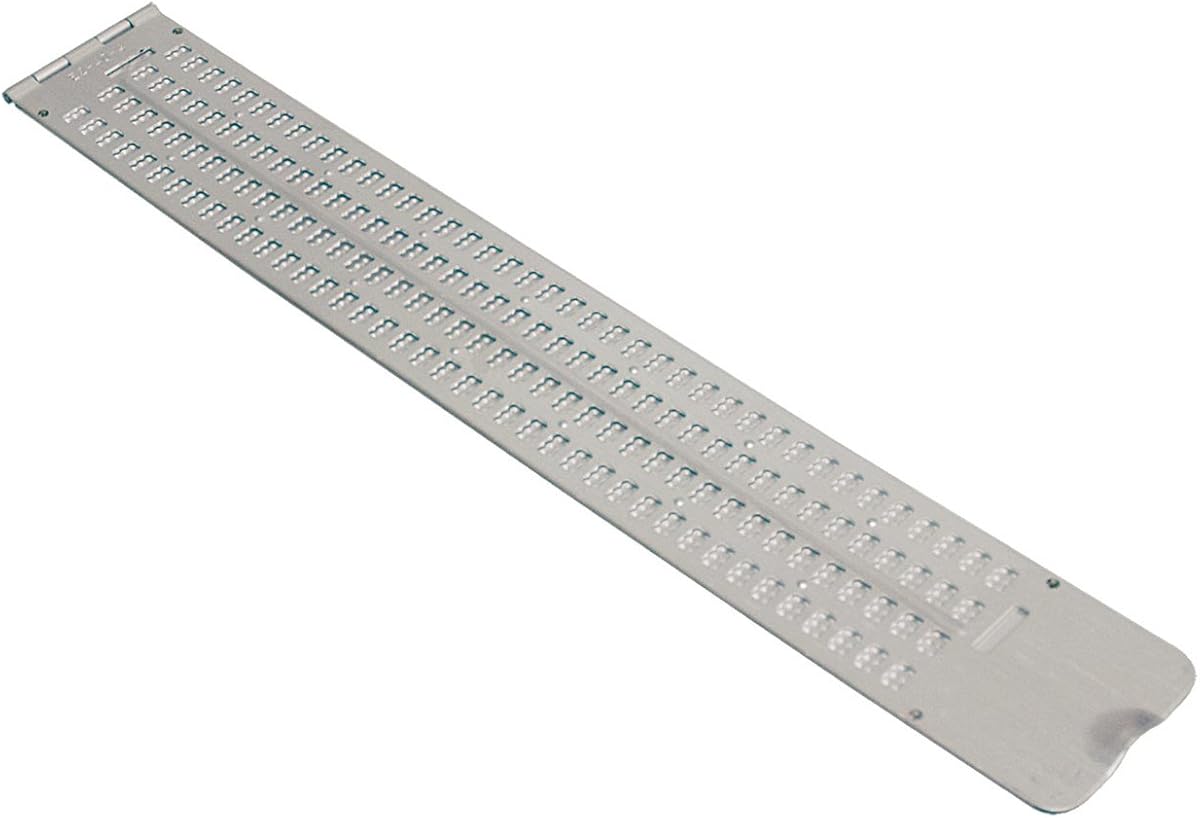
Braille Slate 13 Lines 36 Cells
3.4Editor score
Thirteen lines across thirty six cells
Durable aluminum construction
Includes free stylus for writing
This guide compares the top Braille displays for blind users including refreshable models slates and keyboards to help you choose the right accessibility tool
Braille displays empower blind users with tactile access to digital content. A good model offers clear refreshable cells smooth cursor routing and reliable connectivity across devices. Comfort and durability matter for daily reading writing and screen reader navigation.
We evaluated ten products based on build quality cell count connectivity options and unique features. Our list includes refreshable displays manual slates keyboards and learning tools. Each entry highlights real strengths and limitations for various user needs.
Every pick shows what makes the device stand out for specific tasks or budgets. Ratings reflect user feedback and expert analysis of accessibility performance. Prices and availability change so verify details before purchasing your next assistive tool.
3.4Editor score

4.5Editor score

5.0Editor score
This table compares all ten products side by side using key specifications and features. It helps you quickly identify which device matches your reading writing and connectivity needs for daily accessibility tasks.




The Brailliant BI 20X is a compact refreshable braille display designed for blind users who need reliable access to digital content. It features twenty cells with cursor routing keys for precise reading and writing. The device connects to multiple devices and includes onboard apps for daily productivity.
We may earn a commission when you buy through this link, at no additional cost to you.
Its standout qualities include multi-device connection supporting five Bluetooth and one USB device simultaneously. This makes switching between phone tablet and computer seamless. The KeySoft Lite apps offer editing calculators and access to online libraries like Bookshare and NLS BARD. USB-C charging and up to twenty hours of battery life ensure it lasts through long days.
The main trade-off is the twenty-cell width which may require more scrolling for lengthy documents compared to larger models. Users new to onboard apps might need time to learn the interface. However these are acceptable given the compact size and versatility for mobile or desktop use.
This device is ideal for students professionals or anyone needing a portable braille display for reading writing and screen reader access. Its balance of features connectivity and battery life makes it a strong recommendation for daily accessibility needs.
Connect to five Bluetooth and one USB device at once for seamless switching between phone tablet and computer.
Use built-in apps like Editor Braille Editor Calculator and access to online libraries for enhanced daily tasks.
We may earn a commission when you buy through this link, at no additional cost to you.
The Brailliant BI 40X offers a larger forty-cell refreshable braille display ideal for users who read or write extensive text. It maintains the reliable connectivity and app features of the 20X model but adds more storage and Bluetooth five technology. This makes it a premium choice for those needing extra space and stability.
We may earn a commission when you buy through this link, at no additional cost to you.
Key strengths include the forty-cell width which significantly reduces scrolling when reading long documents or code. Bluetooth five ensures faster and more stable wireless connections. The thirty-two gigabytes internal storage allows more offline content and apps. It also supports online libraries like Bookshare NLS BARD and NFB Newsline with DAISY support.
The main trade-off is the higher cost and slightly larger form factor which may be less convenient for tight spaces or travel. However the added cell count and storage justify the price for power users. The comfortable design and long battery life support all-day usage.
This device is best for professionals researchers or avid readers who need a premium braille display with extended text capacity. Its robust features and stable connectivity make it a top recommendation for serious daily use.
Forty cells display more text per line reducing scrolling for long documents and improving reading flow.
Bluetooth five technology provides faster and more stable connections for reliable multi-device use.
We may earn a commission when you buy through this link, at no additional cost to you.
This Braille Slate provides a simple affordable way to write and store Braille without electronics. It offers thirteen lines with thirty-six cells across for ample writing space. The durable aluminum construction and thumb notch make it easy to open and close. A free stylus is included for embossing.
We may earn a commission when you buy through this link, at no additional cost to you.
Its strengths include the large writing area which allows full pages of notes or assignments. The aluminum build ensures durability for daily use. Since it requires no charging or batteries it is always ready for immediate use. The hinged design keeps paper secure and prevents wrinkling.
The main trade-off is that manual writing is slower than digital methods and notes cannot be easily edited or shared electronically. Users must rely on physical storage. However these limits are acceptable for quick notes classroom use or backup writing.
This slate is ideal for students beginners or anyone needing a low-cost reliable Braille writing tool. Its simplicity and durability make it a strong budget choice for everyday note-taking and practice.
Thirteen lines across thirty six cells provide ample space for notes assignments and practice without constant repositioning.
Since it is manual it needs no batteries or charging making it always ready for use anywhere.
We may earn a commission when you buy through this link, at no additional cost to you.
The Braille Store Business Card Slate is a compact ultra-thin aluminum slate designed for short notes business cards or Braille demos. It features a built-in signature guide to ensure straight embossing. A durable classic stylus is included for writing. Its small size makes it easy to carry.
We may earn a commission when you buy through this link, at no additional cost to you.
Its strengths include the signature guide which helps write Braille or sign names perfectly straight. The four lines with twelve cells per line are perfect for labels or quick messages. The aluminum build ensures longevity. It is an affordable entry point for learning Braille embossing.
The main trade-off is the limited four-line capacity which restricts it to very short content. It is not suitable for longer notes or assignments. However this makes it ideal for business cards labels or demonstration purposes.
This slate is best for users needing a portable solution for short Braille messages or labels. Its compact design and signature guide make it a practical tool for small tasks on the go.
Signature guide ensures straight embossing for business cards labels or personal signatures with accuracy.
Ultra-thin design fits easily in pockets or wallets for quick access to short Braille writing.
We may earn a commission when you buy through this link, at no additional cost to you.
This Full-Page Slate is designed to hold standard letter size paper for writing multiple pages of Braille. It features twenty-five lines with twenty-eight cells and includes guides for labeling tape. The plastic construction is quiet and non-disturbing for shared spaces. You can leave paper inside when not in use.
We may earn a commission when you buy through this link, at no additional cost to you.
Its strengths include the full-page capacity which allows continuous writing without moving the slate. The plastic is quieter than metal slates. The labeling tape guides add versatility for organization. It also includes line numbers for easy resuming of work.
The main trade-off is that plastic may feel less durable than aluminum and requires careful handling. It may not be ideal for rough outdoor use. However the quiet operation and full-page design make it excellent for desk or table use.
This slate is ideal for students or professionals needing a large quiet writing surface for assignments or notes. Its full-page capacity and labeling guides make it a versatile tool for detailed Braille work.
Holds standard letter size paper allowing multiple pages of writing without needing to reposition the slate.
Plastic construction produces less noise than metal slates ideal for quiet study or shared workspaces.
We may earn a commission when you buy through this link, at no additional cost to you.
The Braille Slate Pocket is a compact lightweight slate designed for quick note-taking on the go. It offers four lines with forty cells each for wider text per line. The aluminum construction ensures durability. Its small size fits easily in briefcases or backpacks.
We may earn a commission when you buy through this link, at no additional cost to you.
Its strengths include the forty-cell width which provides more text per line than standard pocket slates. The aluminum is durable yet lightweight. Since it is manual it requires no charging. This makes it a reliable backup tool for travelers.
The main trade-off is the four-line limit which restricts longer notes. The pins up design may require adjustment for users used to pins down. However the portability and width make it excellent for short messages.
This slate is best for travelers or professionals needing a compact Braille tool for quick notes. Its width and portability make it a practical addition to a daily carry kit.
Lightweight aluminum design fits easily in briefcases or backpacks for immediate access anywhere.
Forty cells per line allows more text to be written without needing as many lines.
We may earn a commission when you buy through this link, at no additional cost to you.
The Hable One is a portable braille keyboard that connects to smartphones and tablets. It features eight tactile buttons for accurate typing and navigation. It works with screen readers and voice commands. The device is compact and offers over one month of battery life.
We may earn a commission when you buy through this link, at no additional cost to you.
Its strengths include intuitive design requiring no prior Braille knowledge. Free onboarding calls and tutorials help users master it quickly. The long battery life ensures reliable use for on-the-go lifestyles. Private typing is possible while the phone stays in a pocket.
The main trade-off is it is limited to mobile devices and does not work with computers. The eight-button layout requires initial learning. However the ease of use and compatibility make it a strong choice for mobile accessibility.
This keyboard is ideal for users who type frequently on phones or tablets and need private efficient input. Its ease of use and long battery life make it a great mobile accessory.
Eight tactile buttons enable accurate typing and navigation on iPhone and Android without Braille knowledge.
Rechargeable battery lasts over one month on a single charge for reliable on-the-go use.
We may earn a commission when you buy through this link, at no additional cost to you.
This handheld Braille label maker is designed for organizing and marking items with Braille. It can emboss Braille letters and numbers on vinyl tape using a spin dial and squeeze trigger. A roll of half-inch tape is included. The plastic build is durable and lightweight.
We may earn a commission when you buy through this link, at no additional cost to you.
Its strengths include the ease of use with a spin dial for letter selection. The squeeze trigger mechanism ensures consistent embossing. It is great for labeling household items or office supplies. The lightweight design makes it easy to handle.
The main trade-off is the manual process which takes more time than digital printing. Labels are limited to vinyl tape. However the simplicity and portability make it a practical tool for home or office organization.
This label maker is ideal for users needing to create Braille labels for personal or professional organization. Its ease of use and included tape make it a convenient starting tool.
Spin dial allows easy selection of Braille letters and numbers with clear tactile feedback.
Includes a roll of half-inch tape so you can start labeling right away.
We may earn a commission when you buy through this link, at no additional cost to you.
These Transparent Braille Keyboard Stickers are an economical way to create a bilingual keyboard layout. They use clear Lexan material so original key legends remain visible. Installation is simple peel and stick. The adhesive does not slip ooze or curl.
We may earn a commission when you buy through this link, at no additional cost to you.
Their strengths include transparency which allows users to see original text while adding Braille. The Lexan material ensures durability. Easy installation means no extra tools are needed. They are ideal for PCs or laptops.
The main trade-off is that they cover only individual keys and may wear with heavy use. They are not a full overlay. However the cost and ease make them a great starting point for Braille keyboard setup.
These stickers are ideal for users wanting to add Braille to existing keyboards without replacing them. Their transparency and ease of installation make them a practical solution for bilingual typing.
Clear Lexan material allows original key legends to show through for a bilingual layout.
Peel and stick method makes setup simple with no extra tools or adhesive issues.
We may earn a commission when you buy through this link, at no additional cost to you.
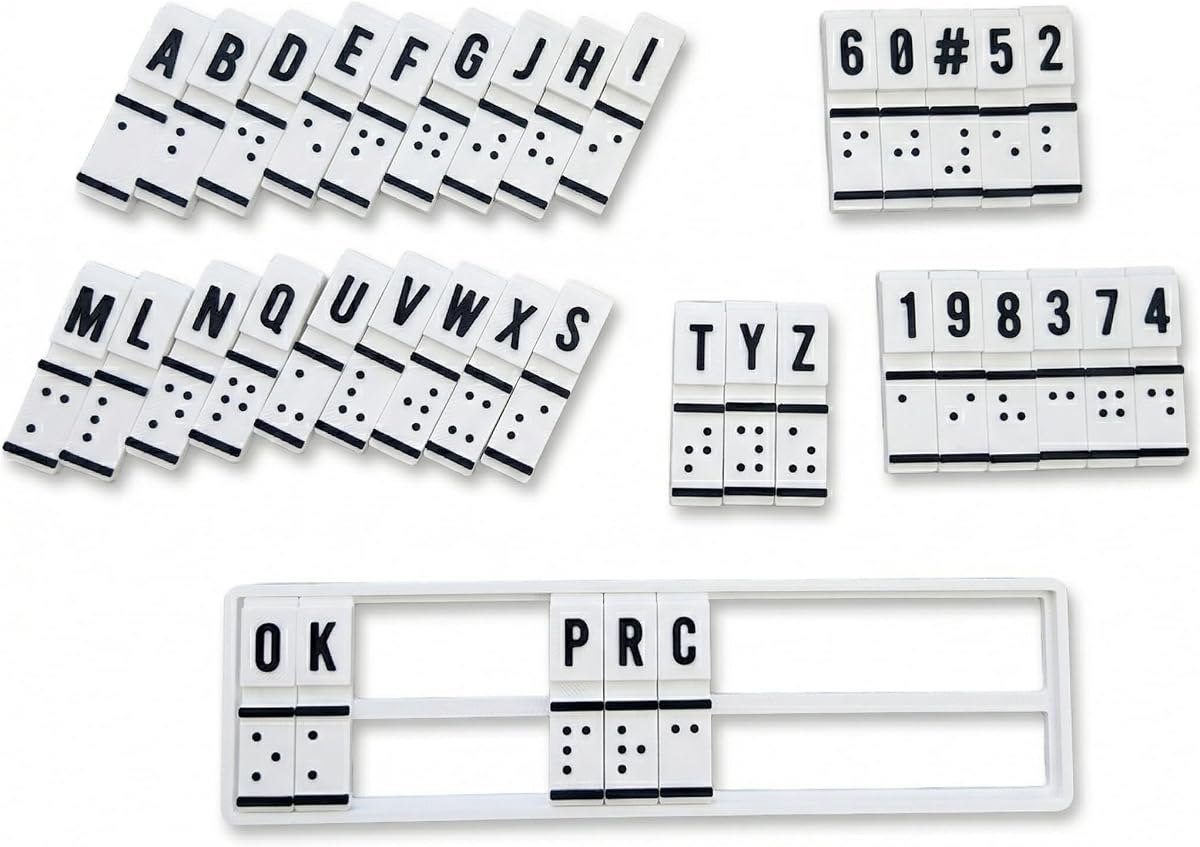
The Braille Learning Training Translation Machine is an educational tool that combines Braille education hands-on training and translation. It features raised Braille cells for manual input and output. It allows users to feel and read Braille directly. The portable build suits homes schools or therapy sessions.
We may earn a commission when you buy through this link, at no additional cost to you.
Its strengths include interactive tactile design which builds muscle memory and confidence. It helps bridge sighted and non-sighted communication. This makes it useful for self-study or classroom teaching. The durable design supports repeated use.
The main trade-off is low user ratings suggesting limitations in ease or reliability compared to digital tools. It is a physical aid without software features. However for tactile practice and basic conversion it offers a practical approach.
This machine is ideal for beginners educators or rehabilitation specialists needing a physical Braille learning aid. Its tactile focus makes it a unique tool for building literacy skills.
Raised Braille cells allow users to feel and create Braille directly building muscle memory and literacy skills.
Designed for self-study classroom teaching or family-assisted practice for visually impaired learners.
We may earn a commission when you buy through this link, at no additional cost to you.
Choosing the right Braille display requires considering cell count connectivity and specific use cases. This guide helps you evaluate key factors to find the device that best fits your daily needs.
Cell count determines how many Braille characters appear per line. Larger displays like 40-cell models reduce scrolling and are better for reading long documents. Compact 20-cell displays are portable and suitable for quick notes or screen navigation.
Choose 40-cell for extensive reading and 20-cell for portability and cost savings.
Most refreshable displays support Bluetooth and USB connections. Check how many devices you need to connect simultaneously. Some models support five Bluetooth devices plus one USB which is ideal for multi-device workflows.
Ensure the display supports enough Bluetooth connections for your phone tablet and computer.
Long battery life ensures the device lasts through a full day. Many modern displays offer up to twenty hours on a single charge. USB-C charging is convenient and widely compatible with other devices.
Look for at least twenty hours of battery life for reliable daily use.
Some displays include apps for editing writing calculators and accessing online libraries. These features increase productivity without needing a separate computer. Check compatibility with your preferred screen reader.
Onboard apps add value for writing and accessing content independently.
Prices vary widely from affordable slates to premium displays. Refreshable displays cost more but offer digital connectivity. Manual slates and keyboards are cheaper alternatives for specific tasks.
Match the device to your needs without overspending on unused features.
Lightweight and compact designs are crucial for users who travel or carry their device daily. Slates are ultra-light but refreshable displays offer more utility. Consider size when choosing for a backpack or briefcase.
Prioritize weight and dimensions if you move frequently between locations.
Ensure the Braille display works seamlessly with your screen reader software. Most support NVDA JAWS VoiceOver and others. Check compatibility before purchasing to avoid setup issues.
Verify your screen reader is supported to ensure smooth integration.
Define whether you need a display for reading writing or both. Some tools like keyboards or slates serve specific needs. A display may be overkill if you only need occasional notes.
Choose based on your primary daily tasks to avoid unnecessary complexity.
For refreshable displays connect via Bluetooth or USB to your device and pair with the screen reader. Learn cursor routing keys to navigate text efficiently. Practice using onboard apps to maximize productivity.
Manual slates require embossing Braille using a stylus. Always press firmly and consistently for clear dots. Keep the slate clean and avoid bending to maintain pin alignment for accurate reading.
Clean all Braille tools with a soft dry cloth. Store refreshable displays in protective cases when not in use. Avoid moisture or extreme temperatures to prolong device life and ensure consistent performance.
A Braille display is an electronic refreshable device that connects to computers or phones for real-time reading and writing. A Braille slate is a manual tool for embossing Braille on paper using a stylus without electronics.
Yes most modern Braille displays connect via Bluetooth and work with iOS and Android. They integrate with VoiceOver on iPhones and TalkBack on Android devices for seamless screen reader control.
Most premium Braille displays last up to twenty hours on a single charge. This allows all-day use for reading or work. Portable slates and keyboards do not need charging as they are manual.
Many displays include apps that connect to online libraries like Bookshare or NLS BARD. This allows direct access to DAISY files or unprotected audio books through the device.
Refreshable Braille displays range widely in cost with higher-end models costing more. Manual slates and keyboards are more affordable options for specific tasks or learning purposes.
While Braille knowledge helps for efficient use many displays support screen readers and navigation keys that allow non-Braille users to control the device. Learning Braille enhances productivity.
Some displays have onboard apps for editing writing and calculations without needing a computer. However most benefit from being connected to a device for full functionality.
Students often benefit from compact 20-cell displays for portability. Those needing extensive reading might prefer 40-cell models. Slates are also useful for quick classroom notes at low cost.
This guide highlights ten top options ranging from refreshable displays to manual tools. The Brailliant BI 20X and 40X lead for digital accessibility while slates serve note-taking needs.
Prioritize cell count connectivity and battery life to match your daily tasks. Consider whether you need portability or extensive reading capacity when choosing your device.
Always check current prices and availability before purchasing as details may change. Select the tool that best supports your reading writing and communication goals.